

Phosphate Iron Pneumatic Conveying: Choosing Positive Pressure vs. Negative Pressure? How to Disting
When it comes to the pneumatic conveying of phosphate iron, a critical decision lies in choosing between positive pressure and negative pressure systems. This choice significantly impacts operational efficiency, equipment maintenance, and overall system reliability. Understanding the distinctions between these two methods is essential for optimizing material handling processes in industrial applications.
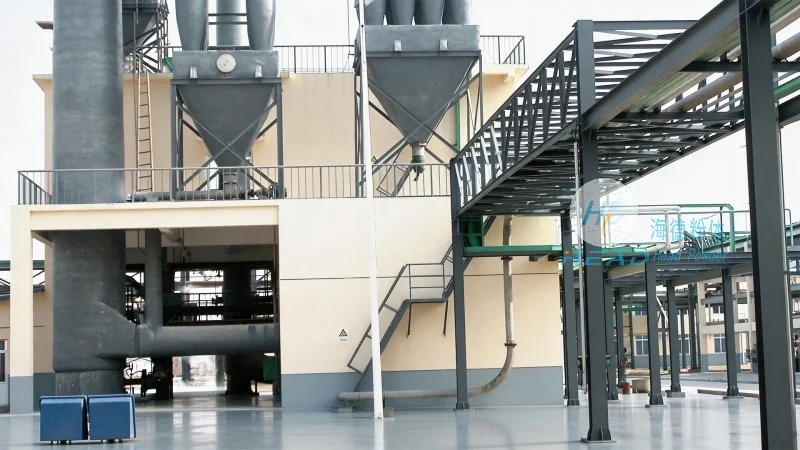
HeadPowder, a leading provider in the field, offers expert insights into selecting the appropriate pneumatic conveying system for phosphate iron applications. With a focus on engineering excellence and tailored solutions, HeadPowder's team of professionals helps clients navigate the complexities of material transport, ensuring optimal performance and cost-effectiveness.
Understanding Positive Pressure Pneumatic Conveying
Positive pressure pneumatic conveying systems operate by blowing air or gas into the conveying line, creating a pressure higher than the ambient atmosphere. This method is particularly effective for transporting bulk materials like phosphate iron over moderate distances. The primary advantage of positive pressure systems is their ability to handle a wide range of particle sizes and moisture content, making them suitable for diverse industrial needs. Additionally, these systems are generally more straightforward to install and maintain, as they do not require complex vacuum equipment.
Key Characteristics of Positive Pressure Conveying
Positive pressure systems typically use high-pressure blowers or compressors to generate the necessary airflow. The material is drawn into the conveying line through a hopper or feeder, where it is mixed with the air stream. This method ensures consistent material flow and minimizes the risk of blockages, as the pressure helps maintain a steady transport rate. However, positive pressure systems may require more energy compared to negative pressure alternatives, and they can be more challenging to manage in environments with high ambient temperatures or dust concentrations.
Exploring Negative Pressure Pneumatic Conveying
Negative pressure pneumatic conveying, also known as vacuum conveying, operates by creating a vacuum in the conveying line, drawing material from the source into the system. This approach is ideal for applications requiring gentle material handling, such as transporting delicate or abrasive phosphate iron particles. Negative pressure systems are particularly effective for short to medium distance transport and are often preferred in environments where dust control is a priority.
Advantages of Negative Pressure Conveying
One of the main benefits of negative pressure systems is their ability to handle fine or low-density materials with minimal degradation. The vacuum process ensures that the material is transported gently, reducing the risk of particle breakage or contamination. Furthermore, these systems are generally more energy-efficient compared to positive pressure systems, as they only require the power to maintain the vacuum rather than generate high-pressure air. However, negative pressure systems may have limitations in handling large quantities of material or transporting over long distances, as the vacuum can be compromised by system leaks or blockages.
Distinguishing Between Positive and Negative Pressure Systems
The primary method for differentiating between positive and negative pressure pneumatic conveying systems is the direction of air flow and the pressure differential relative to the ambient environment. Positive pressure systems use compressed air to push material forward, while negative pressure systems use a vacuum to pull material into the system. Another key distinction lies in the equipment used: positive pressure systems rely on blowers and compressors, whereas negative pressure systems utilize vacuum pumps and suction nozzles.
Factors to Consider When Choosing a System
When selecting between positive and negative pressure pneumatic conveying for phosphate iron, several factors must be evaluated. The distance between the source and destination is a critical consideration; positive pressure systems are better suited for longer distances, while negative pressure systems excel at shorter to medium distances. Material characteristics, such as particle size, moisture content, and abrasiveness, also play a significant role. For example, abrasive phosphate iron may benefit from the gentler handling of a negative pressure system, whereas larger or bulkier particles may require the higher pressure of a positive system. Additionally, the environmental conditions, including ambient temperature and dust control requirements, should be assessed to determine the most suitable approach.
HeadPowder's Expertise in Pneumatic Conveying Solutions
Shandong HeadPowder Engineering Co., Ltd., based in China, specializes in providing customized pneumatic conveying solutions tailored to the unique needs of phosphate iron applications. The company's team of engineers and technicians leverages advanced technology and industry experience to design and implement efficient systems that meet client specifications. HeadPowder's commitment to quality and customer satisfaction ensures that clients receive reliable, long-lasting solutions that enhance their operational performance and reduce maintenance costs.