

Positive Pressure vs. Negative Pressure for Sand and Gravel Pneumatic Conveying: How to Differentiat
When it comes to pneumatic conveying of sand and gravel, choosing the right system is crucial for efficiency and cost-effectiveness. The two primary types are positive pressure and negative pressure systems. Understanding the differences and how to distinguish between them is essential for selecting the optimal solution for your operation.
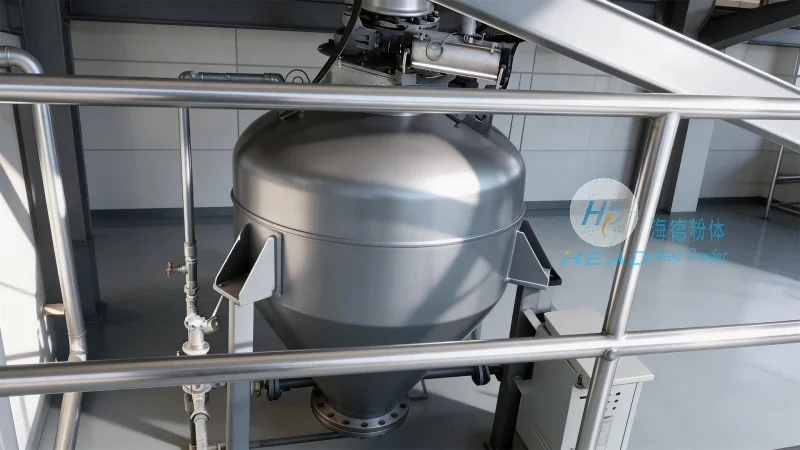
Introduction to Pneumatic Conveying Systems for Sand and Gravel
Pneumatic conveying is a method used to transport bulk materials like sand and gravel through a pipeline using air or gas as the conveying medium. This technology offers advantages such as reduced dust, lower labor costs, and the ability to transport materials over long distances without the need for mechanical equipment like conveyors or elevators. However, the choice between positive pressure and negative pressure systems depends on various factors including material characteristics, distance, and system complexity.
Positive Pressure Pneumatic Conveying Systems
Positive pressure systems operate by blowing air or gas into the conveying line, creating a pressure higher than the ambient air pressure. This method is particularly effective for transporting abrasive or corrosive materials like sand and gravel, as it minimizes material degradation and equipment wear. The system typically includes a blower or compressor at the inlet, which forces air through the pipeline, carrying the material along. A key advantage of positive pressure is its ability to handle long distances and high material loads, making it suitable for large-scale operations. The equipment used in positive pressure systems, such as the blower and pipeline, is generally more robust and requires less maintenance compared to negative pressure systems.
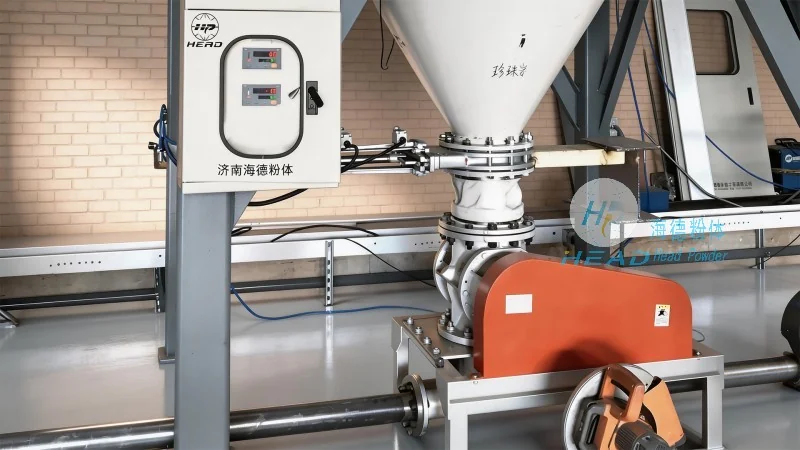
Negative Pressure Pneumatic Conveying Systems
Negative pressure systems, on the other hand, create a vacuum or lower pressure within the conveying line compared to the ambient air. This is achieved by using a vacuum pump or fan at the outlet of the system. The material is drawn into the pipeline by the pressure differential, and the air carrying the material is then filtered and released. Negative pressure systems are often preferred for applications where the material is sensitive to air exposure or where the system needs to be enclosed to prevent dust emissions. They are also suitable for shorter distances and smaller material volumes. However, negative pressure systems may be less efficient for transporting abrasive materials over long distances, as the vacuum can lead to higher energy consumption and increased wear on the equipment.
Distinguishing Between Positive and Negative Pressure Systems
Several factors can help in distinguishing between positive and negative pressure pneumatic conveying systems. First, consider the material being transported. Positive pressure is ideal for abrasive or corrosive materials like sand and gravel, as it prevents material degradation and equipment damage. Negative pressure is better suited for materials that are sensitive to air or require a dust-free environment. Second, evaluate the distance and material volume. Positive pressure systems are more efficient for long distances and high material loads, while negative pressure is suitable for shorter distances and smaller volumes. Third, assess the system complexity and maintenance requirements. Positive pressure systems generally have simpler designs and lower maintenance needs, whereas negative pressure systems may require more complex filtration and vacuum equipment. Finally, consider the environmental impact. Positive pressure systems may release more air into the environment, while negative pressure systems are more enclosed and can reduce dust emissions.
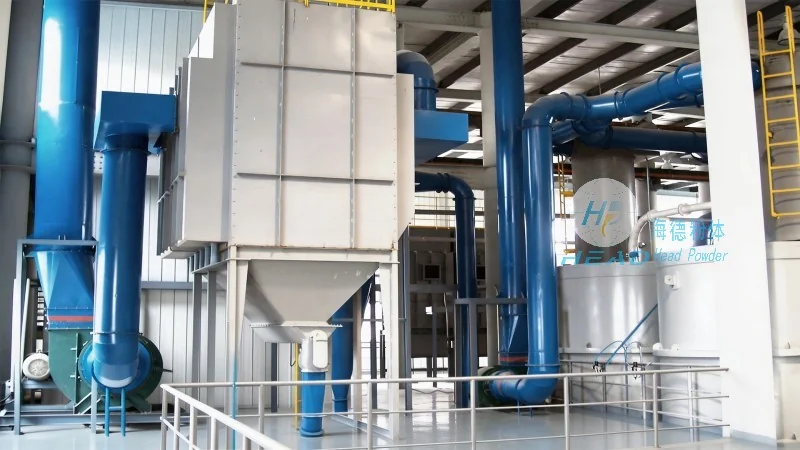
Choosing the Right System for Your Operation
When selecting between positive and negative pressure pneumatic conveying systems for sand and gravel, it is important to consider the specific requirements of your operation. For large-scale operations requiring long-distance transport of abrasive materials, a positive pressure system may be the better choice due to its efficiency and durability. For applications where material sensitivity or dust control is a priority, a negative pressure system may be more suitable. It is also essential to consult with experts in the field to ensure the system is designed and installed correctly to meet your operational needs. By carefully evaluating the factors mentioned above, you can make an informed decision that maximizes efficiency and minimizes costs.
About Shandong HeadPowder Engineering Co., Ltd.
Shandong HeadPowder Engineering Co., Ltd., a leading provider of pneumatic conveying solutions, specializes in designing and manufacturing high-quality positive and negative pressure systems for various industries. With years of experience and a commitment to quality, HeadPowder offers tailored solutions that meet the specific needs of clients. The company's team of experts provides comprehensive support, from system design and installation to maintenance and troubleshooting. HeadPowder's products are known for their durability, efficiency, and reliability, making them a trusted choice for businesses in the sand and gravel industry. Located in Shandong, China, HeadPowder serves clients worldwide, delivering innovative solutions that enhance operational efficiency and reduce costs.