

Choosing Positive Pressure or Negative Pressure for Abrasive Sand Pneumatic Conveying? How to Distin
When it comes to abrasive sand pneumatic conveying systems, selecting the right pressure type—positive or negative—is a critical decision that impacts system efficiency, equipment longevity, and operational costs. Abrasive sand, such as silica sand or quartz sand, poses unique challenges due to its high wear resistance and abrasive properties. The choice between positive and negative pressure systems directly influences how effectively these materials can be transported while minimizing damage to equipment. This article will explore the key differences between positive and negative pressure pneumatic conveying for abrasive sand, helping you make an informed decision for your industrial application.
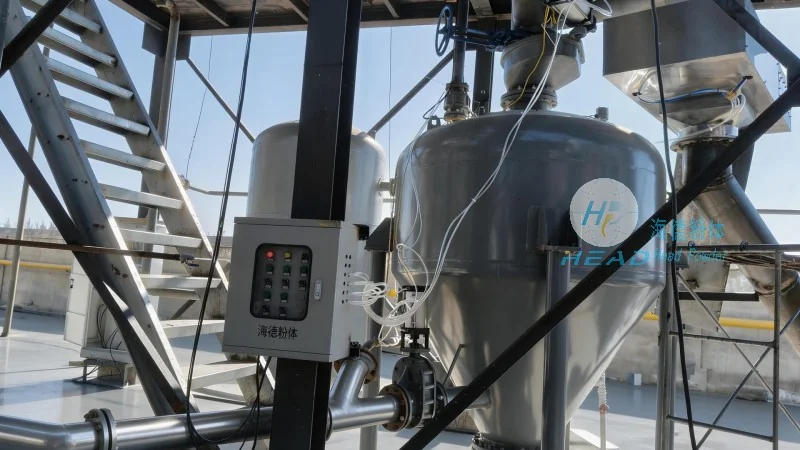
Understanding Abrasive Sand Pneumatic Conveying
Abrasive sand, commonly used in industries like foundries, glass manufacturing, and construction, requires specialized handling due to its abrasive nature. Pneumatic conveying is a popular method for transporting these materials because it avoids the need for mechanical components like belts or buckets, which would quickly wear out under abrasive conditions. However, the choice of pressure system is crucial as it determines the flow rate, pressure requirements, and overall system design. Positive pressure systems push air and material through the pipeline, while negative pressure systems draw material into the system using vacuum. Each has distinct advantages and limitations, especially when dealing with abrasive sand.
Differentiating Positive Pressure and Negative Pressure Systems
Positive pressure pneumatic conveying systems operate by blowing air and material through the pipeline using a blower or compressor. The air pressure is higher than the ambient pressure, forcing the material to move forward. This method is often preferred for abrasive sand applications because it allows for higher flow rates and can handle longer distances. The positive pressure system also provides better control over the material flow, reducing the risk of clogging or blockages. However, it requires more robust equipment to withstand the higher pressures and can be more expensive to install and maintain.
Negative pressure systems, on the other hand, use a vacuum to draw material into the system. The air is pulled through the pipeline, creating a lower pressure environment that draws the abrasive sand into the system. This method is generally more suitable for shorter distances and less abrasive materials, as the vacuum can be less effective in handling high-density or abrasive particles. Negative pressure systems are often more cost-effective and simpler to install, but they may not be as efficient for abrasive sand due to the lower air velocity and potential for material buildup in the pipeline.
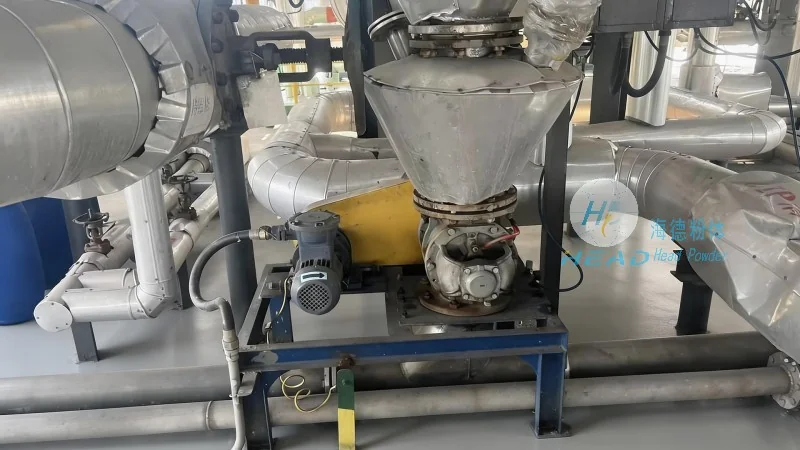
Key Factors to Consider for Abrasive Sand Conveying
When deciding between positive and negative pressure for abrasive sand pneumatic conveying, several factors must be considered. The first is the distance and layout of the conveying system. Positive pressure systems are better suited for longer distances, as they maintain higher air pressure and flow rates. Negative pressure systems are more appropriate for shorter runs or when the material needs to be transported from a higher elevation to a lower one. Another critical factor is the abrasive nature of the sand. Positive pressure systems can handle higher abrasive loads due to the higher air velocity and pressure, reducing the risk of material deposition and wear. Negative pressure systems may struggle with highly abrasive materials as the lower air velocity can lead to clogging and equipment wear.
The type of equipment used in the system also plays a role. Positive pressure systems typically use rotary lobe blowers or centrifugal compressors, which are designed to handle high pressures and abrasive materials. Negative pressure systems often use vacuum pumps or fans, which are more suitable for lower pressure applications. The cost of installation and maintenance is another consideration. Positive pressure systems may require more expensive components and higher energy consumption due to the higher pressure requirements. Negative pressure systems are generally more economical but may have lower efficiency for abrasive sand.
Application Examples and Practical Considerations
For instance, in a foundry where silica sand is used for molding, a positive pressure system might be preferred for transporting the sand from storage to the molding area over a distance of several hundred meters. The high pressure and flow rate ensure that the abrasive sand moves efficiently without causing excessive wear to the pipeline or equipment. In contrast, a negative pressure system might be used in a smaller-scale application, such as transporting quartz sand from a hopper to a processing unit over a short distance. The lower cost and simpler design make it a viable option for less demanding abrasive sand applications.
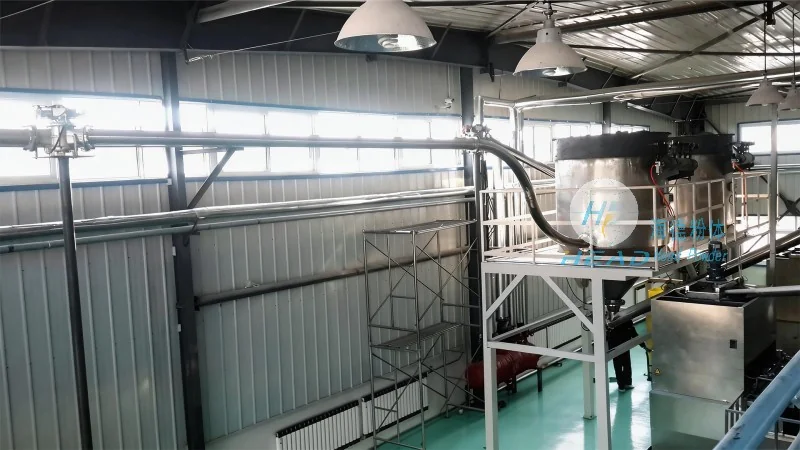
Equipment selection is also critical. Positive pressure systems often use high-quality, wear-resistant materials like stainless steel or special alloys to withstand the abrasive nature of the sand. The pipeline and components are designed to handle the higher pressures and flow rates. Negative pressure systems may use standard materials but with additional features like anti-clogging mechanisms to prevent material buildup. The choice of blower or vacuum pump also impacts performance. A high-efficiency blower in a positive pressure system can maintain consistent air pressure, while a powerful vacuum pump in a negative pressure system can ensure adequate suction for the abrasive sand.
Conclusion and Recommendations
Choosing between positive and negative pressure for abrasive sand pneumatic conveying depends on the specific requirements of your application. Positive pressure systems are generally more suitable for longer distances, higher abrasive loads, and applications requiring high flow rates. They offer better control and efficiency but come with higher costs and maintenance requirements. Negative pressure systems are more cost-effective and simpler for shorter distances or less abrasive materials, though they may not be as efficient for abrasive sand.
When making your decision, consider factors such as the distance of the conveying system, the abrasive nature of the sand, the equipment layout, and the overall budget. Consulting with a professional like Shandong HeadPowder Engineering Co., Ltd., a leading provider of pneumatic conveying solutions, can help you evaluate your options and select the most appropriate system for your needs. With their expertise in abrasive sand handling, they can offer tailored solutions that maximize efficiency and minimize operational costs.