

Stone and Coal Pneumatic Conveying: Choosing Positive Pressure or Negative Pressure? How to Distingu
When it comes to transporting stone and coal materials via pneumatic conveying systems, one of the critical decisions a facility manager or engineer faces is whether to employ positive pressure or negative pressure technology. The choice between these two methods significantly impacts system efficiency, material handling safety, and overall operational costs. This article aims to provide a comprehensive guide to understanding the differences between positive and negative pressure pneumatic conveying for stone and coal, helping you make an informed decision for your specific application.
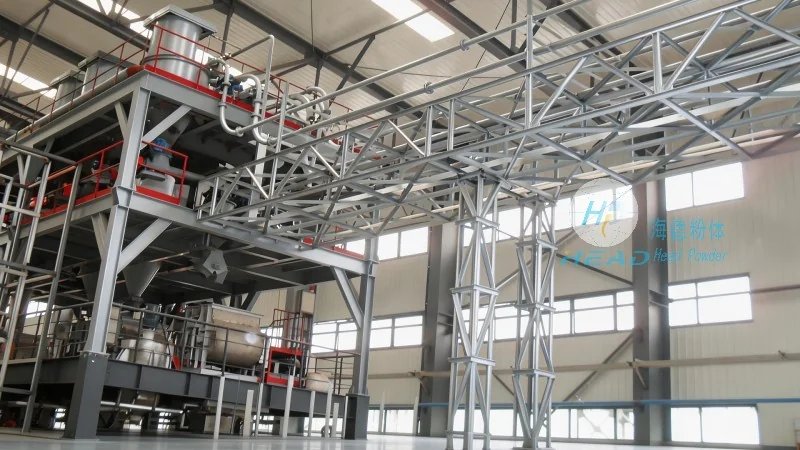
Understanding Pneumatic Conveying Basics
Pneumatic conveying is a method of transporting bulk materials through a pipeline using air or gas as the conveying medium. The primary goal is to move materials from a source to a destination without the need for mechanical components like conveyors or elevators. The two main categories of pneumatic conveying are positive pressure and negative pressure systems, each with distinct operational principles and suitability for different material types and process requirements.
Distinguishing Positive Pressure vs. Negative Pressure Systems
At the core of the choice between positive and negative pressure systems lies the direction of air flow and the pressure differential within the conveying line. Positive pressure systems operate by blowing air into the material stream, creating a pressure higher than the ambient air pressure. This method forces the material through the pipeline. Conversely, negative pressure systems create a vacuum in the pipeline, drawing material into the system by creating a pressure lower than the surrounding environment.
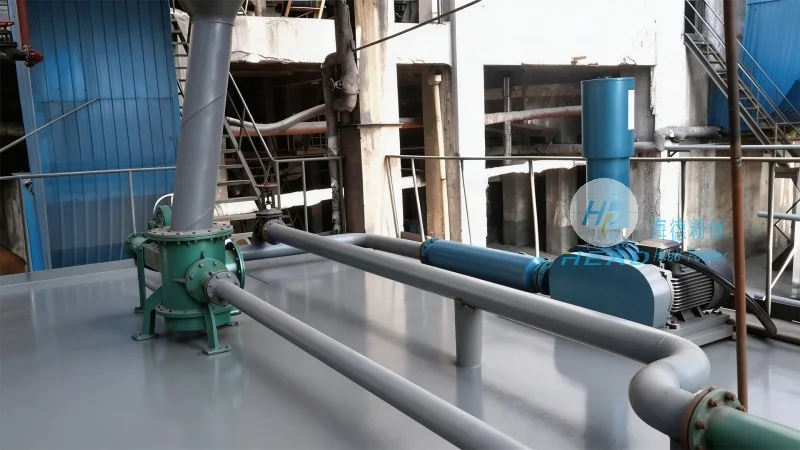
Key Characteristics of Positive Pressure Pneumatic Conveying
Positive pressure systems are often preferred for applications involving abrasive or high-density materials like stone and coal. The primary advantage is that the material is pushed through the pipeline, reducing wear on equipment and minimizing the risk of material degradation. The system typically uses a blower or compressor to generate the necessary pressure, and the air is discharged into the environment, which may require filtration to comply with environmental regulations. The pressure differential in positive pressure systems is usually higher, allowing for longer conveying distances and steeper inclines. However, this method may be less suitable for materials that are sensitive to air exposure or for applications where dust control is paramount.
Key Characteristics of Negative Pressure Pneumatic Conveying
Negative pressure systems are generally more suitable for handling fine powders or materials that are prone to dust generation. The vacuum created in the pipeline draws material into the system, which can be advantageous for applications requiring minimal material degradation and better containment of dust. These systems are often used in environments where air quality is a concern, as the air is drawn from the environment and filtered before being released back into the system. The main drawback of negative pressure systems is the higher risk of equipment wear due to the abrasive nature of stone and coal particles, as the material is pulled through the pipeline. Additionally, the vacuum may limit the conveying distance and height, making them less suitable for long-distance or high-rise applications.
Factors to Consider When Choosing Between Systems
Several factors should be evaluated when deciding between positive and negative pressure pneumatic conveying for stone and coal. The first is the material characteristics, including particle size, density, and abrasiveness. Coarse, high-density materials like stone are better suited for positive pressure systems due to their ability to withstand higher pressure and reduce wear. In contrast, fine coal powders may benefit from negative pressure systems to minimize dust and material degradation. The second factor is the conveying distance and elevation changes. Positive pressure systems are more effective for longer distances and steeper inclines, while negative pressure systems are limited by the vacuum's ability to draw material over significant heights. The third factor is environmental and safety considerations. Positive pressure systems may require more robust filtration to prevent dust emissions, whereas negative pressure systems are better at containing dust within the system. Finally, the system's cost and maintenance requirements should be considered. Positive pressure systems often have higher initial costs due to the need for high-pressure blowers, but may have lower maintenance costs due to reduced wear. Negative pressure systems may have lower initial costs but higher maintenance due to the vacuum pump and filtration system.
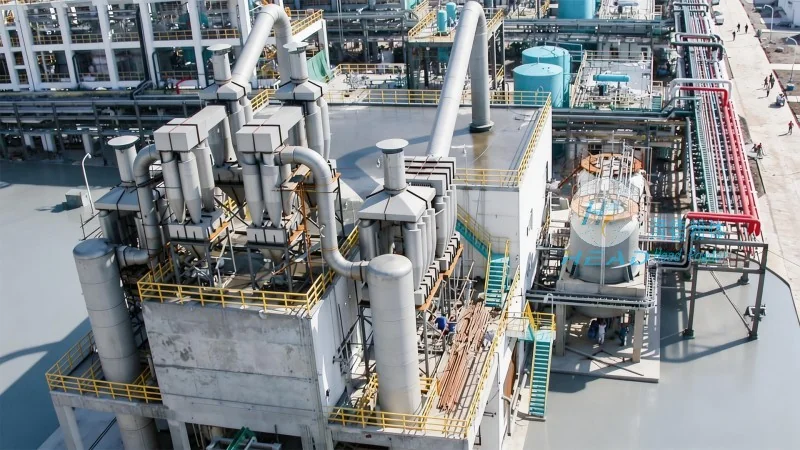
Application Examples
Positive pressure systems are commonly used in mining and quarry operations for transporting crushed stone from crushers to storage silos or for conveying coal from mines to processing facilities. These applications benefit from the ability to handle large volumes of abrasive materials over long distances. Negative pressure systems are often employed in coal processing plants for transporting fine coal powders to grinding mills or for dust collection systems. The ability to contain dust and minimize material exposure to air makes negative pressure systems ideal for these applications.
Conclusion
Choosing between positive and negative pressure pneumatic conveying for stone and coal depends on a careful evaluation of material properties, operational requirements, and environmental considerations. Positive pressure systems offer advantages in handling abrasive materials and longer conveying distances, while negative pressure systems excel in dust control and handling fine powders. By understanding the characteristics of each system and aligning them with your specific needs, you can select the most efficient and cost-effective solution for your material handling requirements.