

Choosing Between Positive Pressure and Negative Pressure for Organic Salt Pneumatic Conveying: How t
When it comes to transporting organic salts via pneumatic systems, selecting the appropriate conveying method is critical for efficiency, safety, and operational success. The choice between positive pressure and negative pressure systems often depends on several key factors, including material properties, system design, and operational requirements. This article explores the differences between these two approaches and provides guidance on how to make an informed decision for organic salt handling applications.
Understanding Positive Pressure vs. Negative Pressure Systems
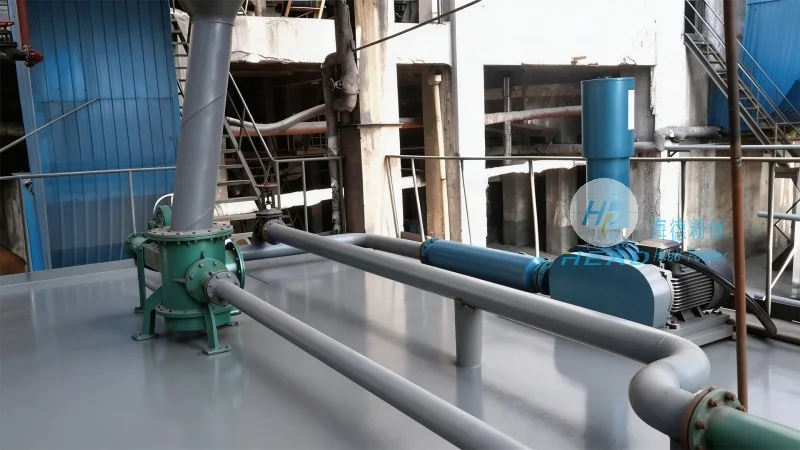
Positive pressure systems operate by blowing air or gas into the material stream, propelling the material through the conveying line. This method is generally more suitable for abrasive or corrosive materials, as it reduces the risk of material degradation and equipment wear. In contrast, negative pressure systems draw material into the system using a vacuum, which can be more effective for handling fine powders or materials that are prone to dust generation. For organic salts, which may have varying particle sizes and moisture content, understanding the operational dynamics of each system is essential.
Key Factors in Selecting the Right Conveying Method
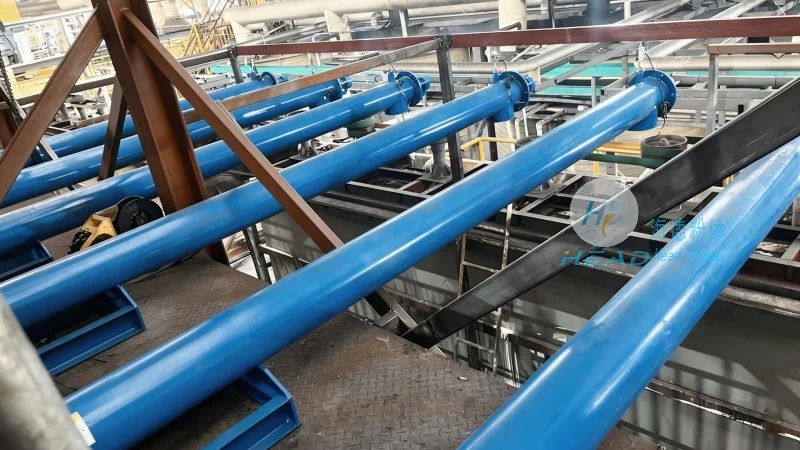
Several factors should be considered when choosing between positive and negative pressure for organic salt pneumatic conveying. First, the physical properties of the organic salt, such as particle size distribution, moisture content, and flowability, play a significant role. Coarser or more cohesive materials may benefit from positive pressure, as the force of the air can help break up agglomerates and maintain consistent flow. Conversely, fine or dusty organic salts may require negative pressure to prevent dust emissions and ensure proper material collection. Second, the system layout and distance to be covered are important considerations. Positive pressure systems are typically more suitable for longer conveying distances, as they can maintain sufficient pressure to overcome friction losses. Negative pressure systems, on the other hand, may have lower initial costs but can incur higher maintenance expenses due to the need for frequent filter changes and vacuum pump upkeep.
Practical Considerations for Organic Salt Handling
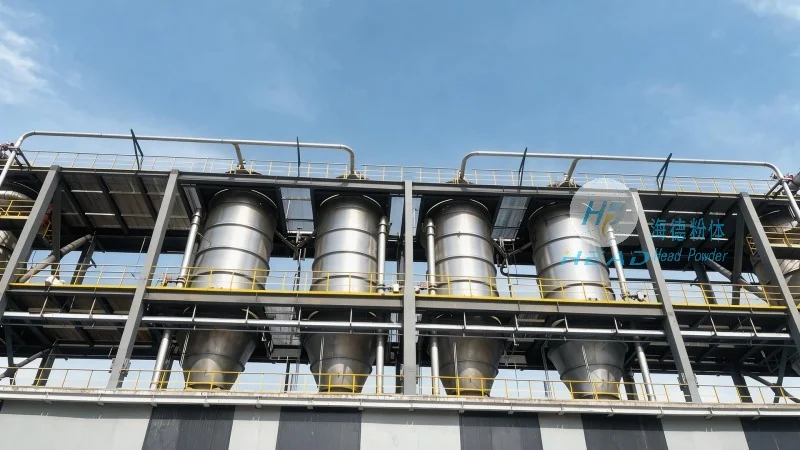
Practical considerations also include equipment maintenance and operational costs. Positive pressure systems often require more robust components, such as high-pressure blowers and durable piping, which can increase initial investment costs. However, they may offer lower long-term maintenance due to reduced wear from material abrasion. Negative pressure systems, on the other hand, may have lower initial costs but can incur higher maintenance expenses due to the need for frequent filter changes and vacuum pump upkeep. Additionally, the impact on the surrounding environment must be evaluated. Positive pressure systems may require additional dust control measures to prevent emissions, while negative pressure systems can help contain dust within the system, reducing external exposure.
Conclusion and Company Information
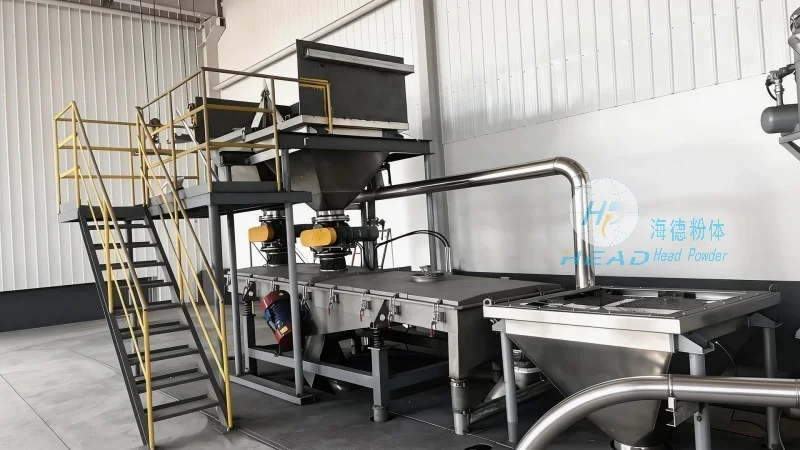
Ultimately, the choice between positive pressure and negative pressure for organic salt pneumatic conveying depends on a careful assessment of material characteristics, system requirements, and operational constraints. By understanding the strengths and limitations of each approach, operators can select the most suitable conveying method to ensure efficient, safe, and cost-effective material handling. For expert guidance and tailored solutions in organic salt handling, Shandong HeadPowder Engineering Co., Ltd. offers comprehensive engineering services and equipment solutions to meet the unique needs of industrial applications. With a focus on quality and reliability, HeadPowder provides innovative pneumatic conveying systems that enhance productivity and minimize operational risks for clients in various industries.