

[Dry Soybean Pneumatic Conveying: Choosing Positive Pressure or Negative Pressure? How to Distinguis
When it comes to the pneumatic conveying of dry soybeans, selecting the appropriate system is crucial for ensuring efficient and reliable material handling. Two primary methods are commonly considered: positive pressure and negative pressure systems. Understanding the differences between these approaches is essential for making an informed decision that aligns with operational needs and material characteristics.
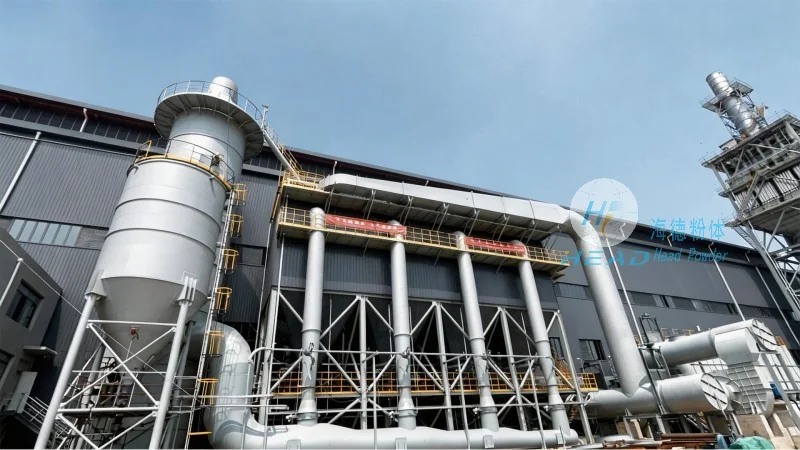
Introduction to Pneumatic Conveying Systems for Dry Soybeans
Pneumatic conveying systems are widely used in the agricultural and food processing industries to transport dry bulk materials like soybeans. These systems utilize air to move materials through a pipeline, offering advantages such as reduced contamination, lower maintenance compared to mechanical systems, and the ability to handle materials in a closed environment. For dry soybeans, which are typically lightweight and have specific flow properties, the choice between positive and negative pressure systems can significantly impact system performance, energy consumption, and overall operational costs.
Positive Pressure Pneumatic Conveying Systems
Positive pressure systems operate by blowing air into the conveying line, creating a pressure higher than the ambient air pressure. This method pushes the material through the pipeline. In the context of dry soybeans, positive pressure systems are often preferred for applications requiring high material flow rates or when transporting materials over longer distances. The system typically includes a blower or compressor that generates the necessary pressure to move the material. A key advantage of positive pressure systems is their ability to handle a wide range of materials, including those with varying particle sizes and moisture content. However, they may require more robust equipment and higher energy input compared to negative pressure systems.
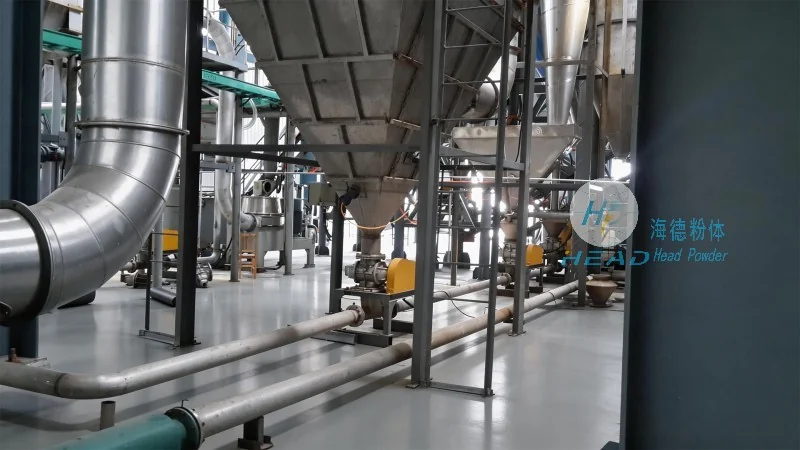
Negative Pressure Pneumatic Conveying Systems
Negative pressure systems, on the other hand, create a vacuum in the conveying line, drawing material into the system. Air is pulled through the pipeline, carrying the dry soybeans from the source to the destination. This approach is often more energy-efficient for shorter conveying distances and for materials that are less abrasive or have lower flow resistance. Negative pressure systems are particularly suitable for applications where the material is to be collected from a hopper or silo and transported to a processing unit. They are also advantageous in environments where dust control is a priority, as the system draws air through filters, reducing emissions. However, negative pressure systems may be less effective for transporting materials over long distances or for handling materials with high moisture content or sticky properties.
Distinguishing Between Positive and Negative Pressure Systems
Several factors can help in distinguishing between positive and negative pressure pneumatic conveying systems for dry soybeans. The first consideration is the conveying distance and layout of the system. Positive pressure systems are generally more suitable for longer distances due to their ability to maintain pressure and material flow. Negative pressure systems are better for shorter distances or when the material is to be collected from a single point and moved to a processing area. The material characteristics also play a critical role. For dry soybeans with low flowability or high dust generation, negative pressure systems may offer better control over dust and material handling. Conversely, if the system needs to transport a large volume of soybeans over a long pipeline, a positive pressure system might be more efficient. Energy consumption is another key differentiator. Positive pressure systems typically consume more energy due to the need to generate higher pressure, while negative pressure systems are more energy-efficient for shorter runs. Maintenance requirements and equipment durability also vary. Positive pressure systems may require more robust components to withstand higher pressures, whereas negative pressure systems may have simpler filtration systems but need regular cleaning to prevent clogging.
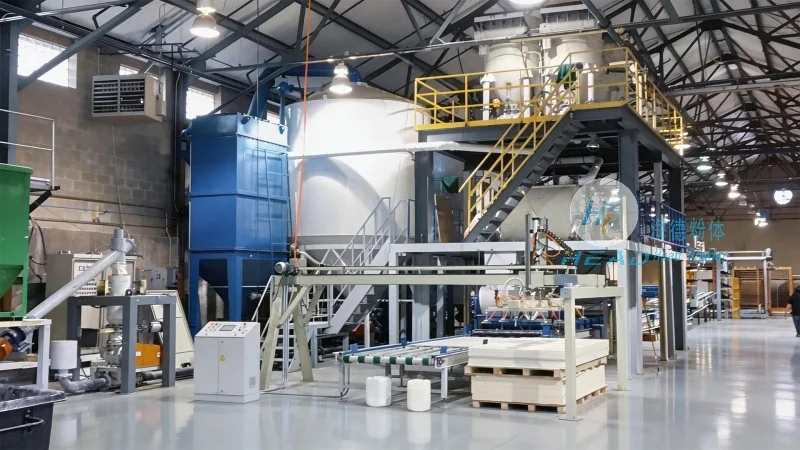
Key Considerations for Selecting the Right System
When choosing between positive and negative pressure pneumatic conveying systems for dry soybeans, several factors must be evaluated. The first is the specific application requirements, including the volume of material to be transported, the distance between the source and destination, and the desired flow rate. The physical properties of the dry soybeans, such as particle size, moisture content, and flowability, also influence the system choice. For instance, if the soybeans are fine and have high dust generation, a negative pressure system with effective filtration might be preferable to minimize environmental impact. Operational costs, including energy consumption and maintenance, are critical for long-term decision-making. Positive pressure systems may have higher upfront costs but lower maintenance for certain applications, while negative pressure systems may have lower initial costs but higher ongoing maintenance due to filtration needs. The overall system layout and available space also impact the choice. Positive pressure systems may require more space for the blower and air handling equipment, whereas negative pressure systems can be more compact. Finally, the environmental regulations and safety considerations in the processing facility should be taken into account. Negative pressure systems are often preferred in environments where dust control and compliance with emission standards are stringent.
Conclusion
Choosing between positive and negative pressure pneumatic conveying systems for dry soybeans requires a thorough evaluation of operational needs, material characteristics, and system constraints. Positive pressure systems offer higher material flow rates and are suitable for longer distances, while negative pressure systems provide energy efficiency and better dust control for shorter runs. By understanding the differences and considering key factors such as conveying distance, material properties, and operational costs, processors can select the most appropriate system to ensure efficient and reliable handling of dry soybeans. The choice ultimately impacts the overall performance and cost-effectiveness of the material handling process.