

Choosing Between Positive Pressure and Negative Pressure for Paddy Husk Pneumatic Conveying: How to
When it comes to the pneumatic conveying of paddy husk, selecting the right type of system—whether positive pressure or negative pressure—is crucial for efficiency, cost-effectiveness, and operational safety. This article aims to provide a clear understanding of the differences between these two methods, helping you make an informed decision for your specific application.
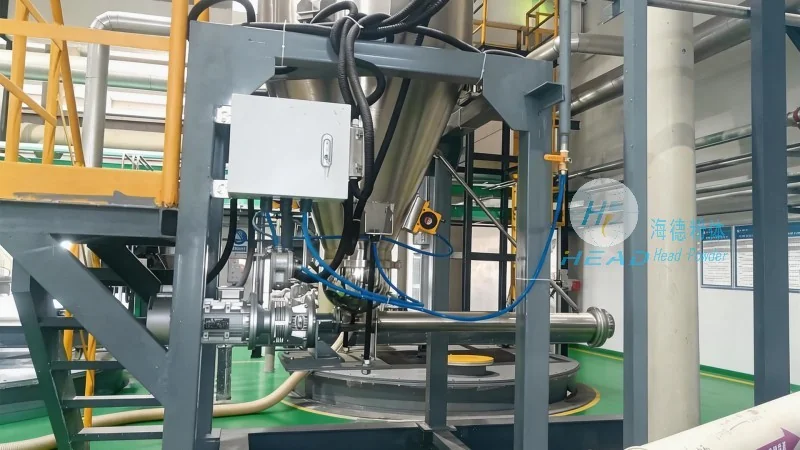
Introduction to Paddy Husk Pneumatic Conveying
Paddy husk, also known as rice husk, is a byproduct of rice processing and is widely used as a fuel source in power plants, as a raw material in the production of activated carbon, and in other industrial applications. Efficient transportation of this material from storage to processing units is essential for maintaining production flow and minimizing downtime. Pneumatic conveying systems offer a flexible and effective solution for this purpose, but the choice between positive and negative pressure systems depends on several factors, including material characteristics, system layout, and operational requirements.
Understanding Positive Pressure Pneumatic Conveying
Positive pressure pneumatic conveying systems operate by blowing air or a gas mixture into the conveying line, creating a pressure higher than the ambient air pressure. The material is then drawn into the system by the pressure differential and transported through the pipeline. This method is particularly suitable for transporting materials that are lightweight, dusty, or have a tendency to create dust clouds. For paddy husk, which is relatively light and can generate significant dust during handling, positive pressure systems can effectively handle the material while containing dust emissions.
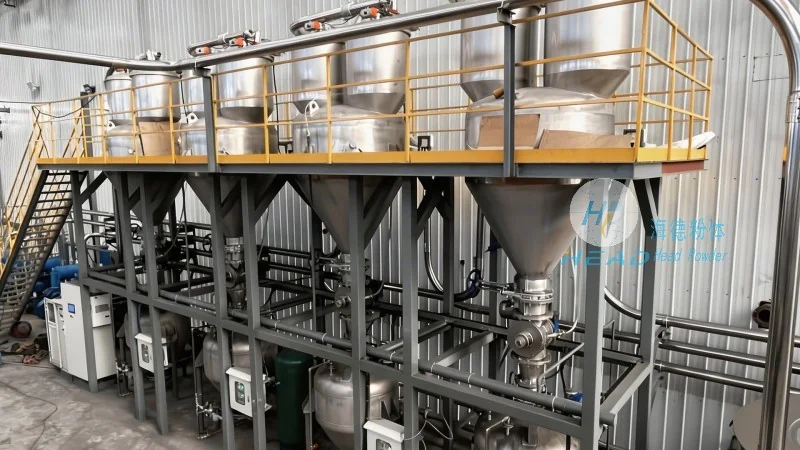
Key Features of Positive Pressure Systems
Positive pressure systems typically feature a blower or compressor at the inlet, which supplies the necessary air pressure to move the material. The system is designed to maintain a positive pressure throughout the conveying line, preventing external air from entering and reducing the risk of dust leakage. These systems are often used for short to medium distance conveying, with pipe diameters ranging from 50mm to 200mm, depending on the material flow rate. The blower or compressor used in positive pressure systems is usually a centrifugal or positive displacement type, chosen based on the required pressure and flow rate.
Understanding Negative Pressure Pneumatic Conveying
Negative pressure pneumatic conveying systems, also known as vacuum systems, operate by creating a vacuum at the inlet of the conveying line, which draws the material into the system. The material is then carried by the air flow through the pipeline to the destination. This method is ideal for applications where the material needs to be collected from multiple points or where the conveying distance is longer. Negative pressure systems are particularly effective for handling materials that are heavy, abrasive, or prone to clogging, as the vacuum helps to maintain a consistent flow.
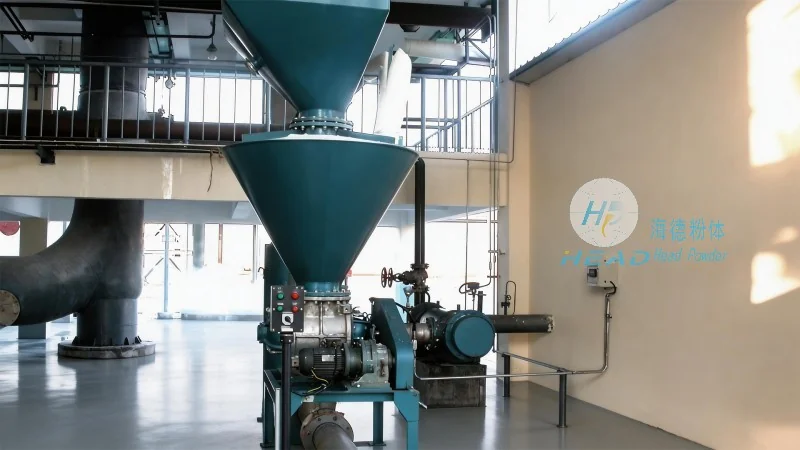
Key Features of Negative Pressure Systems
Negative pressure systems rely on a vacuum pump or fan to create the necessary suction. The system is designed to maintain a negative pressure throughout the conveying line, which helps to prevent dust from escaping into the environment. These systems are commonly used for longer conveying distances, with pipe diameters ranging from 100mm to 300mm, depending on the material characteristics and flow rate. The vacuum pump used in negative pressure systems is typically a rotary vane or roots type, selected based on the required vacuum level and flow capacity.
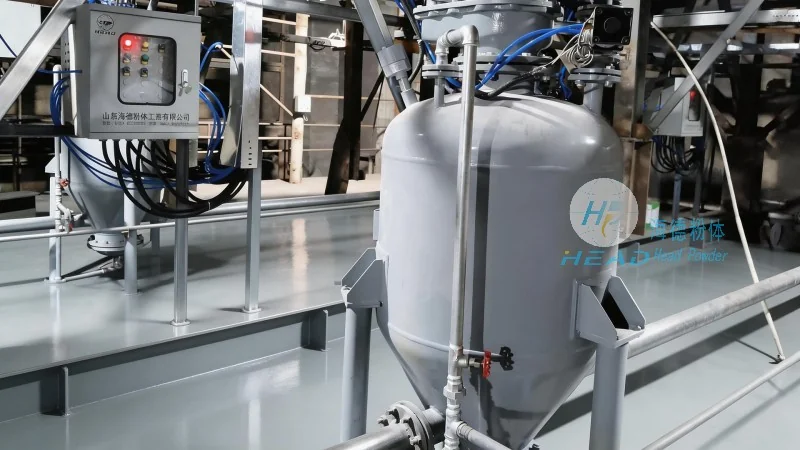
Distinguishing Between Positive and Negative Pressure Systems for Paddy Husk
When deciding between positive and negative pressure pneumatic conveying for paddy husk, several factors should be considered. The first is the material's characteristics: paddy husk is lightweight and dusty, making it more suitable for positive pressure systems, which can effectively handle the material while containing dust. However, if the system needs to collect paddy husk from multiple points or over a longer distance, a negative pressure system may be more appropriate. The second factor is the conveying distance and layout: short to medium distances are better suited for positive pressure systems, while longer distances or complex layouts may require negative pressure systems. The third factor is the environmental considerations: positive pressure systems are generally more effective at containing dust, making them suitable for applications where dust control is a priority. Negative pressure systems, while effective at preventing dust from escaping, may require additional filtration to ensure compliance with environmental regulations.
Conclusion
Choosing between positive pressure and negative pressure pneumatic conveying for paddy husk depends on a careful evaluation of the material's properties, the system's layout, and the operational requirements. Positive pressure systems are generally more suitable for handling lightweight, dusty materials like paddy husk, offering efficient dust containment and suitable for shorter to medium conveying distances. Negative pressure systems, on the other hand, are ideal for longer distances or complex layouts, providing effective material collection and transportation. By understanding the key features and differences of each system, you can select the most appropriate solution for your paddy husk conveying needs, ensuring optimal performance and operational efficiency.