

Choosing Between Positive Pressure and Negative Pressure for Pyrolysis Char Pneumatic Conveying: How
When it comes to the pneumatic conveying of pyrolysis char, selecting the appropriate pressure system—whether positive pressure or negative pressure—is a critical decision that impacts operational efficiency, equipment longevity, and overall process economics. This article aims to provide a comprehensive guide to understanding the key differences between positive and negative pressure systems, helping industrial operators make informed choices tailored to their specific needs.
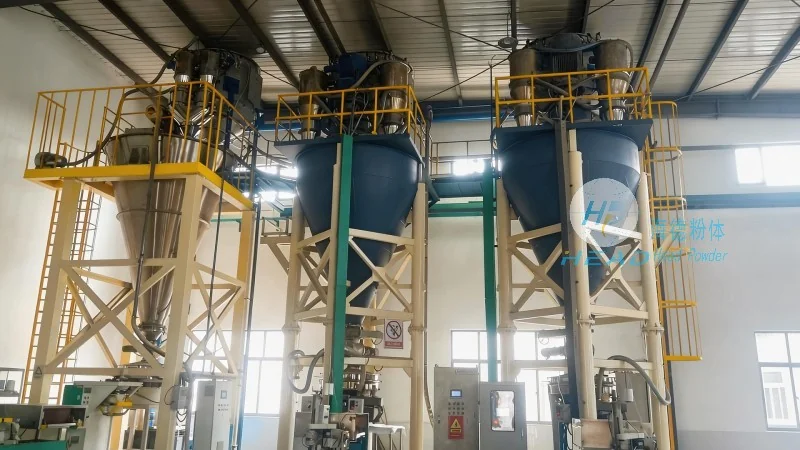
Understanding Pneumatic Conveying Basics
Pneumatic conveying is a method of transporting bulk materials, such as pyrolysis char, through a pipeline using air or gas as the conveying medium. The system relies on the differential pressure created between the material source and the destination to move the material. The two primary pressure systems used in this process are positive pressure and negative pressure, each with distinct operational principles and applications.
Differentiating Positive Pressure and Negative Pressure Systems
Positive pressure systems operate by blowing air or gas into the conveying line, creating a pressure higher than the ambient air pressure. This method propels the material forward through the pipeline. In contrast, negative pressure systems create a vacuum or lower pressure within the conveying line, drawing the material into the system by suction. The choice between these systems depends on factors like material characteristics, distance, and system layout.
Key Characteristics of Positive Pressure Conveying
Positive pressure systems are commonly used for transporting pyrolysis char over longer distances or through complex piping networks. They are particularly effective when the material is abrasive or has a high moisture content, as the higher pressure helps maintain material flow and reduces the risk of blockages. The system typically involves a blower or compressor at the material source, which generates the necessary pressure to move the char through the pipeline. This approach is often preferred in applications where the material needs to be conveyed from a central storage to multiple processing units.
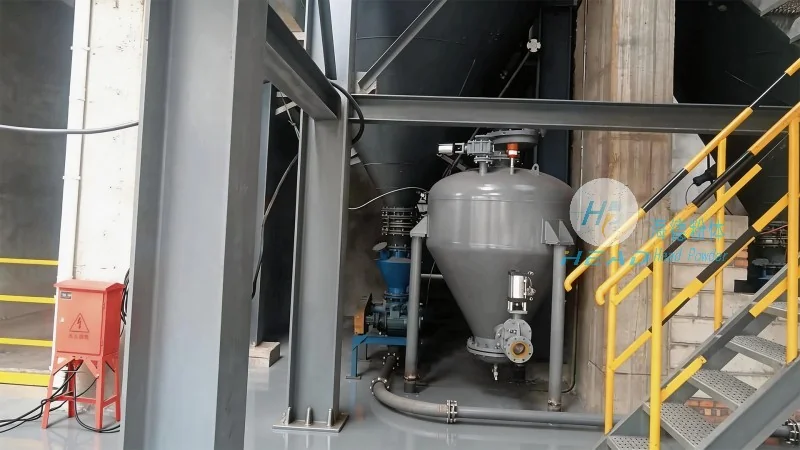
Key Characteristics of Negative Pressure Conveying
Negative pressure systems, on the other hand, are ideal for short-distance conveying or when the material is relatively dry and non-abrasive. The vacuum created by a fan or ejector at the receiving end draws the material into the pipeline, moving it toward the processing area. This method is less suitable for long-distance or high-abrasion applications due to the potential for material degradation and increased wear on the system components. Negative pressure systems are often used in scenarios where the material is being transferred from a processing unit back to a storage or collection point.
Factors Influencing the Choice of Pressure System
The decision to use positive or negative pressure for pyrolysis char conveying is influenced by several technical and operational factors. Material properties, such as particle size, density, and moisture content, play a significant role. For example, fine or highly abrasive pyrolysis char may require the higher pressure and robust design of a positive pressure system to prevent clogging and equipment wear. Conversely, larger, less abrasive particles might be better suited for negative pressure systems, especially if the conveying distance is short and the system layout is simple.
System layout and distance are also critical considerations. Positive pressure systems are generally more efficient for long-distance conveying, as they can maintain consistent pressure and material flow over extended pipelines. Negative pressure systems, while effective for shorter distances, may require more frequent maintenance due to the higher stress on suction components and the risk of material deposition in the pipeline.
Practical Considerations and Best Practices
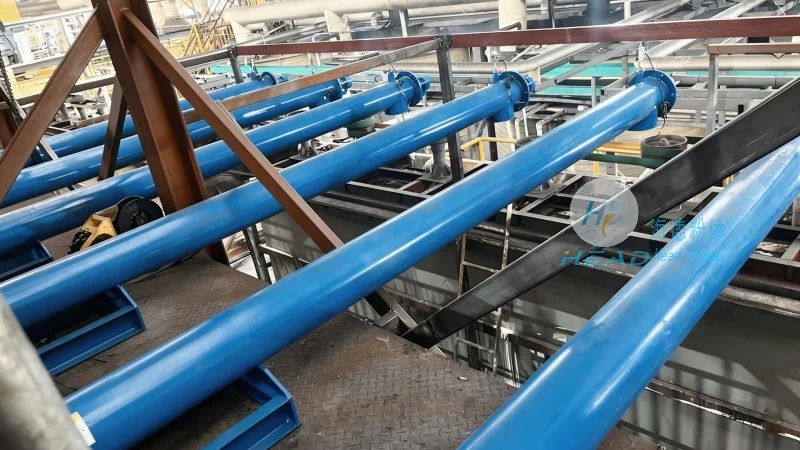
When implementing either positive or negative pressure systems for pyrolysis char conveying, several practical considerations should be addressed to ensure optimal performance and longevity. Regular maintenance of the pressure-generating equipment (blowers or fans) is essential to prevent performance degradation and energy inefficiencies. Additionally, proper pipeline design, including the use of appropriate bends, valves, and filters, is crucial to minimize material buildup and maintain consistent flow rates.
For positive pressure systems, the selection of a high-efficiency blower with sufficient capacity to handle the material's specific characteristics is vital. This ensures that the pressure remains stable and the material is conveyed without excessive pressure loss. In negative pressure systems, the choice of an appropriate vacuum fan or ejector is equally important, as it must be capable of creating a sufficient differential pressure to draw the material effectively.
Conclusion
Choosing between positive and negative pressure for pyrolysis char pneumatic conveying requires a thorough evaluation of material properties, system requirements, and operational constraints. Positive pressure systems offer robustness and efficiency for long-distance or high-abrasion applications, while negative pressure systems are more suitable for shorter distances and less demanding material conditions. By understanding the key characteristics and practical considerations of each system, industrial operators can select the most appropriate solution to enhance their pyrolysis char handling processes. As a leading provider in the field, Shandong HeadPowder Engineering Co., Ltd. specializes in designing and implementing customized pneumatic conveying solutions tailored to meet the unique needs of industrial clients, ensuring optimal performance and reliability in pyrolysis char transportation.