

Choosing Between Positive Pressure and Negative Pressure Conveying for Compound Fertilizer: How to D
When it comes to the efficient and reliable transportation of compound fertilizer, selecting the right type of pneumatic conveying system is crucial. The two primary options are positive pressure conveying and negative pressure conveying. Understanding the differences between these two systems is essential for optimizing operational efficiency and ensuring the safe handling of fertilizer materials. This article will explore the key distinctions between positive and negative pressure conveying systems, helping you make an informed decision for your compound fertilizer handling needs.
Understanding Pneumatic Conveying Systems
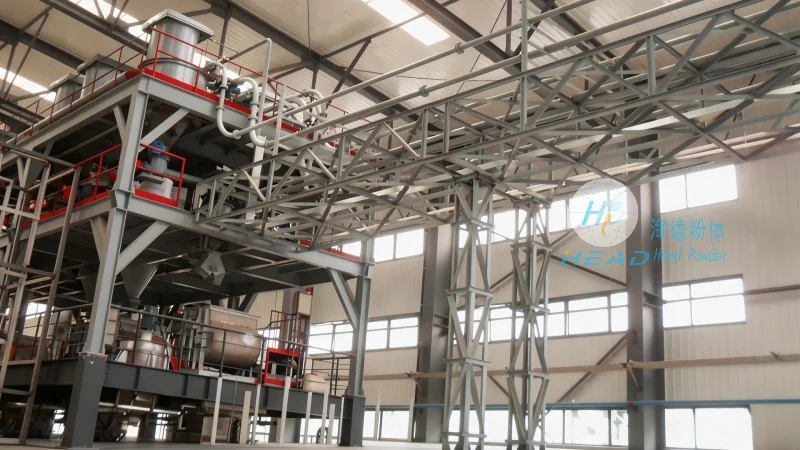
Pneumatic conveying systems use air or gas to transport bulk materials like compound fertilizer through a pipeline. These systems are widely used in the fertilizer industry due to their ability to handle abrasive and dusty materials with minimal wear and tear on equipment. The primary difference lies in how the system generates the necessary pressure to move the material.
Positive Pressure Conveying: How It Works
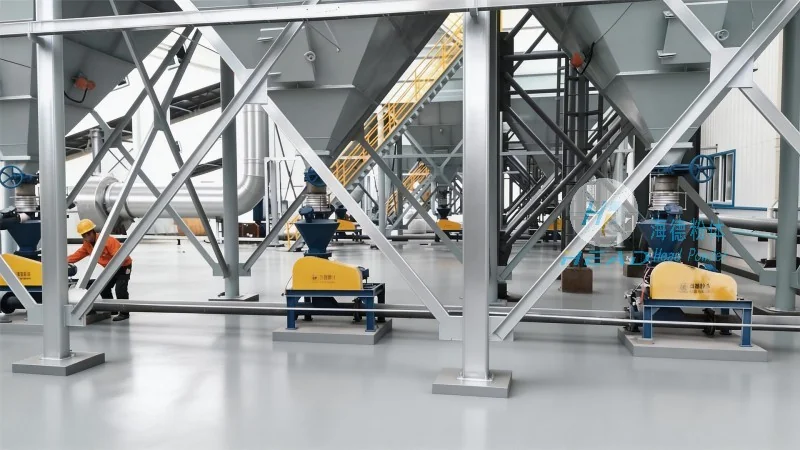
Positive pressure conveying systems operate by blowing air or gas into the conveying line, creating a pressure higher than the ambient air pressure. This pressurized air pushes the fertilizer particles through the pipeline. The system typically uses a positive displacement blower or a centrifugal fan to generate the required pressure. The air is introduced at the inlet of the conveying line, and the material is drawn along with the air stream. This method is often preferred for short to medium distance conveying and for materials that are less abrasive or have a higher bulk density.
Negative Pressure Conveying: How It Works
Negative pressure conveying, also known as suction conveying, operates by creating a vacuum or negative pressure within the conveying line. The system draws the fertilizer particles into the pipeline using a vacuum pump or a fan that pulls air out of the line. The material is then transported to the destination by the suction force. This method is commonly used for longer distances and for materials that are more sensitive to pressure or have a lower bulk density. Negative pressure systems are also advantageous for applications where dust control is a priority, as the system draws material into the line rather than blowing it out.
Key Differences Between Positive and Negative Pressure Conveying
Several factors differentiate positive and negative pressure conveying systems, which can influence the choice for compound fertilizer applications:
- Pressure Generation: Positive pressure systems rely on pressurized air to push material, while negative pressure systems use suction to pull material.
- Distance and Capacity: Positive pressure is generally more suitable for shorter distances and higher material flow rates. Negative pressure is better for longer distances and lower flow rates.
- Material Handling: Positive pressure can handle more abrasive materials and higher bulk densities. Negative pressure is ideal for handling fine, dusty materials and is less likely to cause material degradation.
- Dust Control: Negative pressure systems are often preferred for applications where dust emission needs to be minimized, as they draw material into the line rather than expelling it.
- Equipment and Maintenance: Positive pressure systems may require more robust components to withstand higher pressures, while negative pressure systems can be simpler in design but may need more frequent maintenance to prevent dust buildup.
Choosing the Right System for Compound Fertilizer
When selecting between positive and negative pressure conveying for compound fertilizer, several factors should be considered:
- Conveying Distance: For short to medium distances (typically up to a few hundred meters), positive pressure conveying is often more efficient. For longer distances (over a few hundred meters), negative pressure conveying may be more suitable.
- Material Characteristics: If the compound fertilizer is abrasive or has a high bulk density, positive pressure conveying may be preferred. If the material is fine, dusty, or sensitive to pressure, negative pressure conveying is a better choice.
- Environmental Requirements: If dust control is a critical factor, negative pressure conveying is advantageous as it reduces dust emissions during material transfer.
- System Complexity and Cost: Positive pressure systems may have higher initial costs due to the need for robust components, but they can offer higher throughput. Negative pressure systems may have lower initial costs but may require more maintenance.
Conclusion
Choosing between positive and negative pressure conveying for compound fertilizer depends on a variety of factors, including the distance to be covered, the characteristics of the fertilizer material, and the environmental requirements of the operation. By understanding the differences in how each system operates and the advantages and disadvantages of each, you can select the most appropriate pneumatic conveying solution for your specific needs. Whether you opt for positive or negative pressure, the right system can significantly improve the efficiency and reliability of your compound fertilizer handling operations.
Shandong HeadPowder Engineering Co., Ltd., a leading provider of pneumatic conveying solutions, offers expert guidance and customized systems tailored to the unique requirements of fertilizer processing facilities. With years of experience in the industry, HeadPowder Engineering understands the importance of selecting the right conveying system to ensure optimal performance and longevity of your equipment. Contact HeadPowder Engineering today to learn more about how their positive and negative pressure conveying systems can enhance your compound fertilizer handling operations.