

[Cement Particle Pneumatic Conveying: Positive Pressure vs. Negative Pressure - How to Differentiate
Cement particle pneumatic conveying is a critical process in the cement industry, enabling the efficient transport of bulk materials like cement powders over long distances. The choice between positive pressure and negative pressure systems is a fundamental decision that impacts operational efficiency, cost, and system reliability. This article explores the key differences between these two approaches, providing insights into how to effectively distinguish and select the appropriate system for cement particle conveying applications.
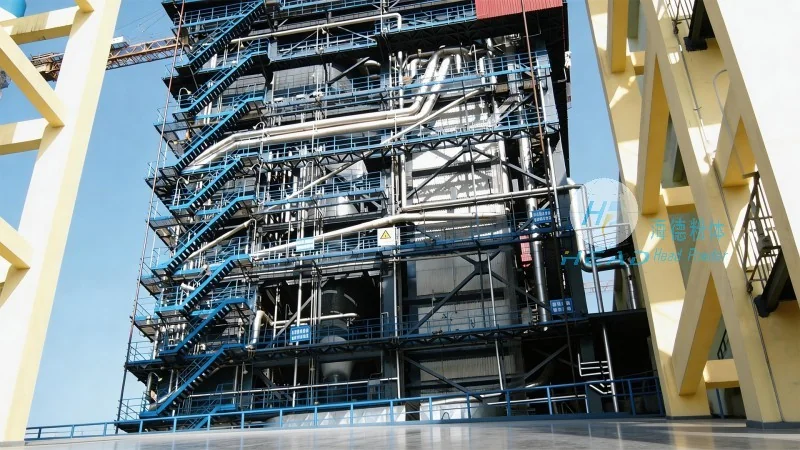
Introduction to Cement Particle Pneumatic Conveying
Pneumatic conveying systems use air or gas to transport solid particles through a pipeline. For cement particles, which are typically fine and abrasive, the system design must address challenges such as particle segregation, system pressure, and material handling efficiency. Positive pressure and negative pressure are the two primary methods used in cement particle conveying, each with distinct advantages and limitations.
Understanding Positive Pressure Conveying Systems
Positive pressure systems operate by blowing air or gas into the conveying line, creating a pressure higher than the ambient air pressure. This method is often preferred for applications requiring high conveying rates and long distances. The system typically includes a blower or compressor at the inlet, which forces air through the pipeline, carrying the cement particles. Positive pressure systems are generally more suitable for abrasive materials like cement, as they can handle higher particle velocities without causing excessive wear on components. However, they may require more robust equipment and higher energy consumption compared to negative pressure systems.
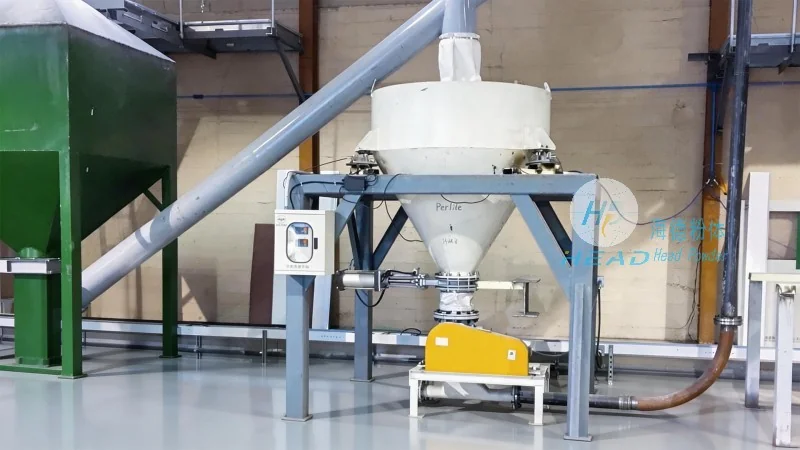
Understanding Negative Pressure Conveying Systems
Negative pressure systems, also known as vacuum or suction systems, operate by creating a vacuum at the inlet of the conveying line, drawing the cement particles into the system. The air is then drawn through the pipeline and discharged at the outlet, carrying the particles with it. Negative pressure systems are often used for shorter conveying distances and for materials that are less abrasive or require gentler handling. They are generally more energy-efficient for short distances but may be less effective for long-distance or high-volume applications. The system design includes a vacuum pump or fan at the outlet, which creates the suction force needed to move the particles.
Key Factors for Differentiating Between Positive and Negative Pressure Systems
Several factors influence the choice between positive and negative pressure systems in cement particle conveying. The most critical factors include the conveying distance, the required flow rate, the material characteristics (such as particle size, density, and abrasiveness), and the system layout. For instance, positive pressure systems are typically preferred for long-distance conveying (over 100 meters) and high flow rates (over 10 tons per hour), while negative pressure systems are more suitable for shorter distances (under 50 meters) and lower flow rates. Material properties also play a role: abrasive cement particles may benefit from the higher velocity and pressure of positive pressure systems, whereas non-abrasive or sensitive materials might be better handled by negative pressure systems to minimize wear and particle degradation.
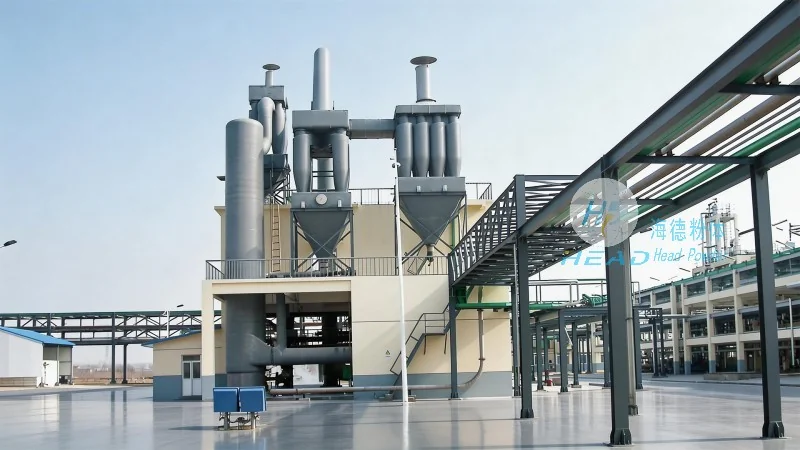
Practical Considerations for Choosing the Right System
When selecting between positive and negative pressure systems for cement particle pneumatic conveying, it is essential to evaluate the specific operational requirements and constraints of the application. Positive pressure systems offer greater control over the conveying process, allowing for higher pressures and velocities, which can improve throughput. However, they may require more maintenance due to the higher stress on components from abrasive particles. Negative pressure systems, while more energy-efficient for short distances, may be limited in their ability to handle long distances or high volumes. Additionally, the system layout and available space can impact the choice, as positive pressure systems may require more space for the blower and inlet equipment, whereas negative pressure systems may need additional space for the vacuum pump and outlet handling.
Shandong HeadPowder Engineering Co., Ltd., a leading provider of pneumatic conveying solutions, specializes in designing and manufacturing systems tailored to the unique needs of cement particle transport. With decades of experience in the industry, HeadPowder offers customized solutions that balance efficiency, reliability, and cost-effectiveness. The company's expertise in system design ensures that clients can select the optimal positive or negative pressure system based on their specific requirements, whether for long-distance high-volume conveying or short-distance low-volume applications. HeadPowder's commitment to quality and innovation makes it a trusted partner for cement manufacturers seeking to enhance their material handling processes.