

[Metal Particle Pneumatic Conveying: Choosing Positive Pressure or Negative Pressure? How to Disting
When it comes to transporting metal particles, selecting the right pneumatic conveying system is crucial for efficiency, cost-effectiveness, and operational safety. Two primary types of systems dominate the industry: positive pressure and negative pressure. Understanding the differences between these two approaches is essential for making an informed decision that aligns with specific process requirements. This article explores the key distinctions between positive and negative pressure systems, helping you determine which option is best suited for your metal particle handling needs.
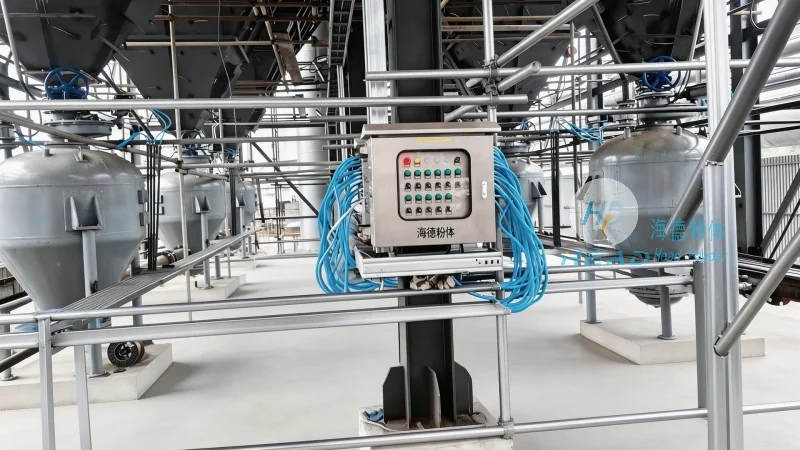
Introduction to Pneumatic Conveying Systems
Pneumatic conveying is a method of transporting bulk materials, including metal powders and granules, using a gas stream (usually air) to move the material through a pipeline. This technology offers several advantages over traditional mechanical conveying, such as reduced equipment wear, lower maintenance costs, and the ability to handle materials that are difficult to transport by other means. The choice between positive and negative pressure systems depends on factors like material characteristics, distance, volume, and environmental considerations.
Differentiating Positive Pressure and Negative Pressure Conveying
Positive pressure systems operate by blowing air or gas into the conveying line, creating a pressure higher than the ambient air pressure. This method pushes the material forward through the pipeline. In contrast, negative pressure systems create a vacuum or lower pressure in the conveying line, drawing the material into the system. Each approach has distinct characteristics and applications.
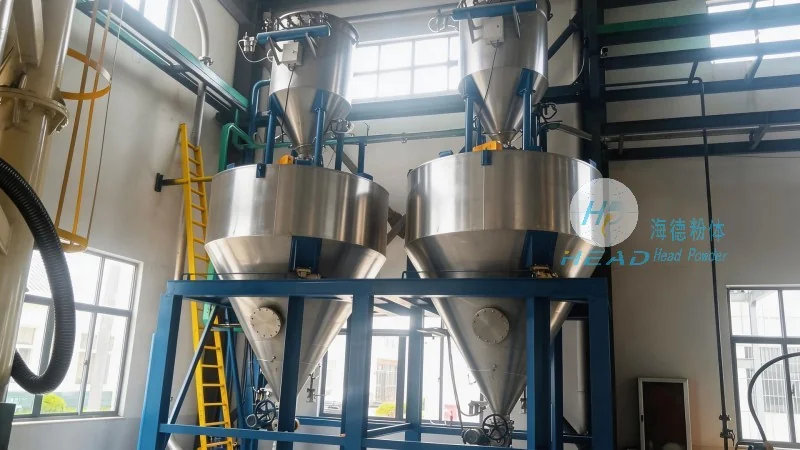
Key Characteristics of Positive Pressure Conveying
Positive pressure systems are often preferred for applications involving abrasive or corrosive metal particles, as they minimize material degradation and equipment wear. The high pressure in the system helps maintain the integrity of the particles and reduces the risk of clogging. These systems are also suitable for long-distance transport, as the pressure can be maintained throughout the pipeline. However, they may require more robust equipment and higher energy consumption compared to negative pressure systems.
Key Characteristics of Negative Pressure Conveying
Negative pressure systems are typically used for short-distance transport or when the material is non-abrasive and requires a cleaner environment. The vacuum created in the system draws the material into the pipeline, which can be beneficial for applications where dust control is a priority. These systems are generally more energy-efficient and less expensive to install than positive pressure systems. However, they may be less effective for handling abrasive or high-volume materials, as the vacuum can lead to material degradation or blockages.
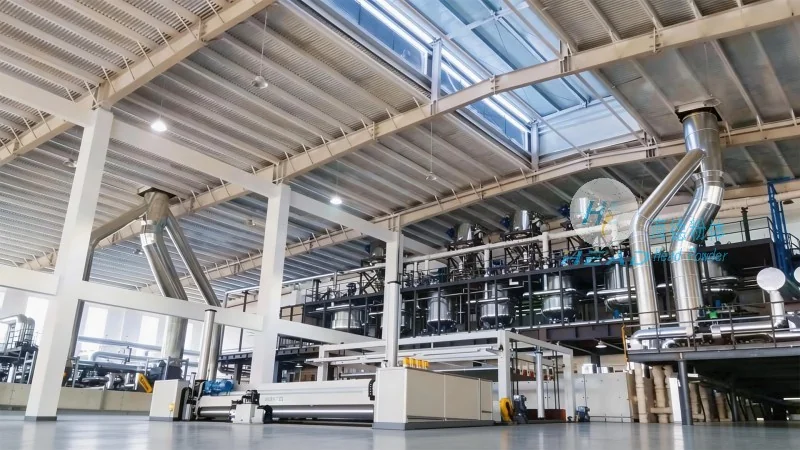
Factors to Consider When Choosing a System
When deciding between positive and negative pressure systems for metal particle conveying, several factors should be evaluated. First, consider the material's physical properties, such as particle size, density, and abrasiveness. Abrasive materials are better suited for positive pressure systems due to their ability to withstand higher pressures and reduce wear. Second, assess the transport distance and volume requirements. Long-distance or high-volume applications often favor positive pressure systems, while short-distance or low-volume applications may benefit from negative pressure systems. Third, evaluate environmental and safety considerations. Positive pressure systems may require additional filtration to control dust emissions, while negative pressure systems can help maintain a cleaner environment by drawing material into the system.
Applications in Metal Particle Handling
Both positive and negative pressure systems have applications in metal particle handling across various industries. For example, in the metal powder industry, positive pressure systems are commonly used for transporting aluminum, copper, and steel powders over long distances. In contrast, negative pressure systems are often employed in the pharmaceutical or food processing industries, where dust control and material purity are critical. The choice of system depends on the specific requirements of the application, including the type of metal particles, the distance to be covered, and the desired level of environmental control.