

Choosing Positive Pressure or Negative Pressure for Furfural Residue Gas-Solid Transport? How to Dis
Furfural residue, a byproduct of the furfural production process, often requires efficient and reliable transport methods. Among the various options available, gas-solid transport systems are widely used due to their ability to handle bulk materials like furfural residue. However, when selecting a gas-solid transport system, a critical decision arises: should a positive pressure system or a negative pressure system be employed? This article explores the key factors influencing this choice and provides guidance on how to distinguish between the two approaches, with insights from Shandong HeadPowder Engineering Co., Ltd., a leading provider in the field.
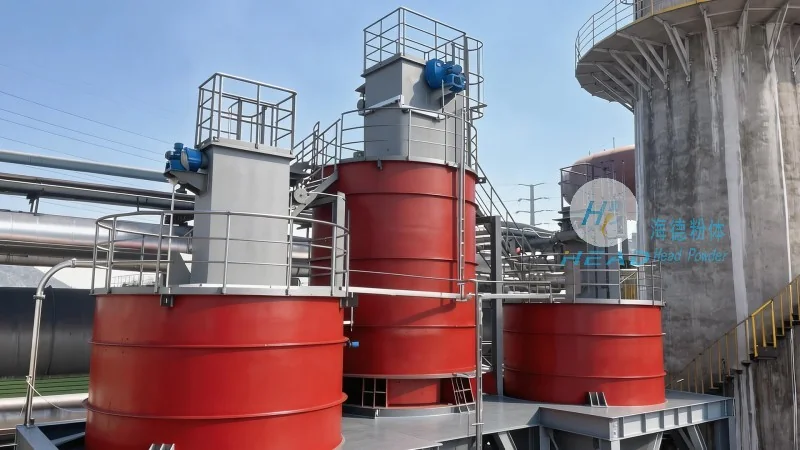
About Shandong HeadPowder Engineering Co., Ltd.
Shandong HeadPowder Engineering Co., Ltd., commonly known as HeadPowder, is a reputable company based in Shandong, China. With years of experience in engineering and manufacturing solutions for material handling, HeadPowder specializes in designing and implementing efficient gas-solid transport systems tailored to the unique needs of industrial applications. The company's expertise lies in understanding the properties of different bulk materials and selecting the most appropriate transport technology to ensure optimal performance, safety, and cost-effectiveness.
Understanding Positive Pressure Gas-Solid Transport
Positive pressure gas-solid transport systems operate by blowing air or other gas through the material to be transported. The system uses a blower or compressor to generate a pressure higher than the ambient air pressure, which forces the material to move through the pipeline. This method is particularly effective for transporting materials that are difficult to move by suction alone, such as those with high moisture content, sticky properties, or large particle sizes. In the context of furfural residue, which often contains fine particles and may have a tendency to agglomerate, positive pressure systems can provide the necessary force to ensure consistent and reliable transport.
Key Characteristics of Positive Pressure Systems
Positive pressure systems are generally more robust and capable of handling a wider range of material types and conditions. They are less susceptible to blockages caused by material buildup in the pipeline, as the high pressure helps to maintain flow. Additionally, these systems can be designed to operate at higher flow rates, making them suitable for large-scale industrial applications. However, they require more energy input due to the need to maintain a positive pressure throughout the transport line. This can increase operational costs, especially for long-distance or high-volume transport.
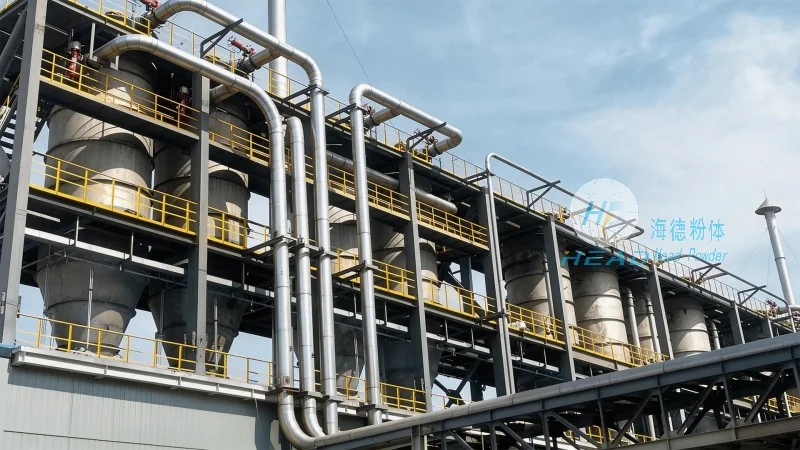
Understanding Negative Pressure (Suction) Gas-Solid Transport
Negative pressure gas-solid transport systems, also known as suction systems, operate by creating a vacuum in the pipeline, which draws the material into the system. A fan or vacuum pump generates a pressure lower than the ambient air pressure, causing the material to be pulled through the pipeline. This method is often preferred for materials that are light and free-flowing, as the suction force is sufficient to move them without additional pressure. For furfural residue, which may be relatively light and less prone to agglomeration, negative pressure systems can be an efficient and cost-effective solution.
Key Characteristics of Negative Pressure Systems
Negative pressure systems typically consume less energy compared to positive pressure systems, as they rely on suction rather than blowing. This can lead to lower operational costs, especially for shorter distances or lower flow rates. However, they are more susceptible to blockages and material buildup, as the low pressure may not be sufficient to maintain consistent flow. Additionally, suction systems may require larger ducts or more powerful fans to achieve the necessary vacuum, which can increase initial capital costs. The design of the system must also consider the risk of dust emissions and the need for proper filtration to comply with environmental regulations.
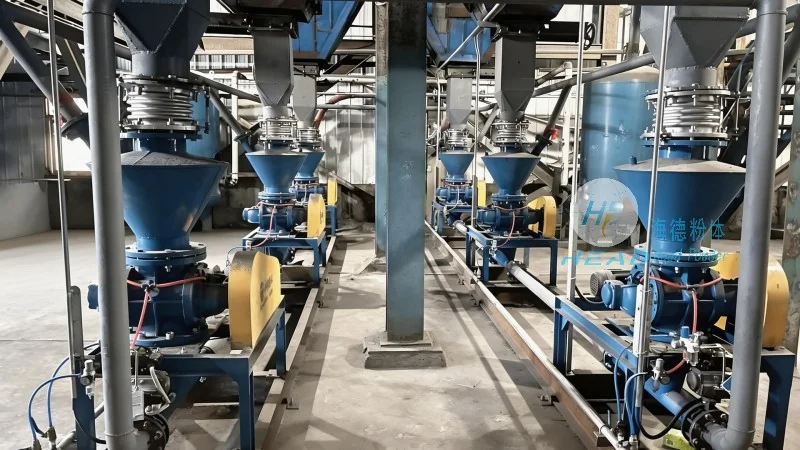
Distinguishing Between Positive and Negative Pressure Systems for Furfural Residue
When deciding between positive and negative pressure systems for furfural residue transport, several factors must be considered. The first is the physical properties of the material, including particle size, moisture content, and agglomerating tendency. Furfural residue often consists of fine particles that can easily become airborne, making dust control a critical consideration. Positive pressure systems may require additional dust suppression measures to prevent emissions, while negative pressure systems may need more robust filtration to capture fine particles.
The second factor is the distance and volume of transport. For short distances and low to medium volumes, negative pressure systems may be sufficient due to their lower energy consumption. However, for long distances or high-volume transport, positive pressure systems are often more reliable and efficient, as they can maintain consistent flow without the risk of blockages. The cost of installation and operation must also be evaluated, as positive pressure systems may have higher initial costs but lower long-term operational costs, while negative pressure systems may have lower initial costs but higher operational expenses.
Conclusion: Making the Right Choice for Furfural Residue Transport
Choosing between positive and negative pressure gas-solid transport systems for furfural residue requires a careful analysis of the material properties, transport requirements, and operational constraints. Shandong HeadPowder Engineering Co., Ltd. offers expert guidance and customized solutions to help clients select the most appropriate system for their specific needs. By understanding the characteristics of each approach and considering the unique challenges of furfural residue, industries can ensure efficient, safe, and cost-effective material handling. Whether a positive pressure or negative pressure system is chosen, the goal is to optimize the transport process while minimizing environmental impact and maximizing productivity.