

Choosing Between Positive Pressure and Negative Pressure for Silica Powder Pneumatic Conveying: How
When it comes to transporting silica powder, selecting the right pneumatic conveying system is crucial for efficiency, cost-effectiveness, and operational safety. Two primary methods dominate the industry: positive pressure and negative pressure systems. Understanding the differences between these approaches is essential for making an informed decision that aligns with your specific production needs. In this article, we will explore the key aspects of both positive and negative pressure systems, helping you determine which is best suited for your silica powder handling requirements.
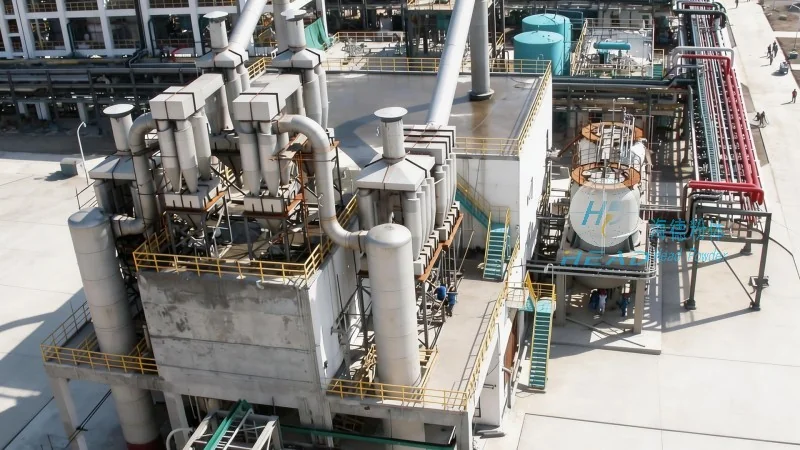
Understanding Positive Pressure Pneumatic Conveying
Positive pressure systems operate by blowing air or gas into the conveying line, creating a pressure higher than the ambient environment. This method pushes the material forward through the pipeline. For silica powder, positive pressure systems are often preferred when dealing with abrasive or high-density materials, as they can handle higher flow rates and longer distances without significant pressure loss. The equipment typically includes a positive displacement blower or a rotary lobe blower, which generates the necessary pressure to move the powder. This approach is particularly effective for applications where the material needs to be transported over long distances or through complex piping networks. Additionally, positive pressure systems are generally more suitable for handling materials that are prone to caking or agglomeration, as the continuous airflow helps maintain the material's flowability.
Key Features of Positive Pressure Systems
Positive pressure systems offer several advantages for silica powder handling. Firstly, they provide consistent and reliable material transport, even in challenging conditions. The high pressure ensures that the powder moves smoothly through the pipeline, reducing the risk of blockages or clogs. Secondly, these systems are capable of handling a wide range of particle sizes and moisture content, making them versatile for various silica powder applications. Another benefit is the ability to integrate with existing infrastructure, as the positive pressure can be easily adapted to existing pipelines and equipment. However, it's important to note that positive pressure systems may require more maintenance due to the higher wear and tear on components like blowers and filters. The initial investment is also typically higher compared to negative pressure systems, but the long-term operational efficiency often justifies the cost.
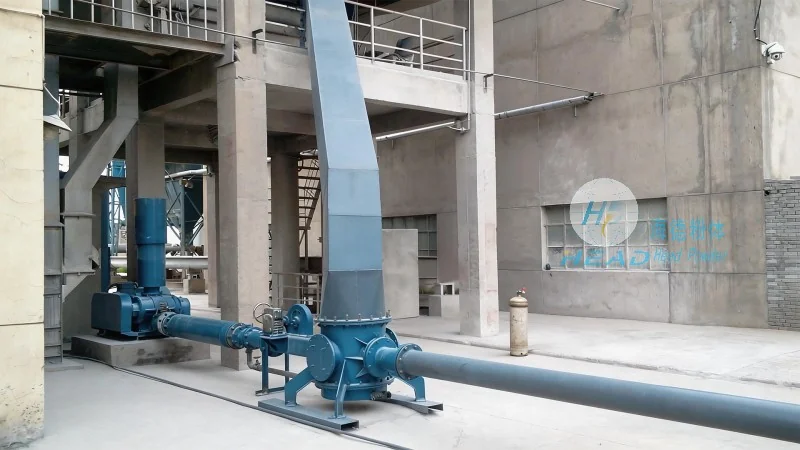
Exploring Negative Pressure Pneumatic Conveying
Negative pressure systems, on the other hand, work by creating a vacuum or suction within the conveying line, drawing the material into the system. This method is ideal for applications where the material needs to be collected from a source and transported to a destination without the need for high pressure. Negative pressure systems are commonly used in environments where dust control is a priority, as the suction process helps contain airborne particles. For silica powder, negative pressure systems are particularly useful when dealing with fine powders that are prone to dust generation. The equipment typically includes a vacuum pump or a fan that creates the necessary suction to draw the powder into the pipeline. This approach is often more cost-effective for shorter distances and simpler layouts, as it requires less complex equipment and lower maintenance.
Advantages of Negative Pressure Systems
Negative pressure systems have their own set of benefits for silica powder handling. One of the main advantages is the lower initial cost, as the equipment is generally simpler and less expensive than positive pressure systems. This makes them an attractive option for small-scale or budget-conscious operations. Additionally, negative pressure systems are easier to install and maintain, as they do not require high-pressure components or complex piping. The suction process also helps in reducing the risk of material spillage or leakage, as the system draws the powder into the pipeline rather than pushing it. However, negative pressure systems have limitations, particularly when dealing with high-density or abrasive materials, as the suction may not be strong enough to maintain consistent flow. They are also more susceptible to clogging due to the lower pressure, which can lead to operational disruptions. Furthermore, the vacuum created may cause dust to be released into the environment if proper filtration is not implemented, posing health and safety risks.
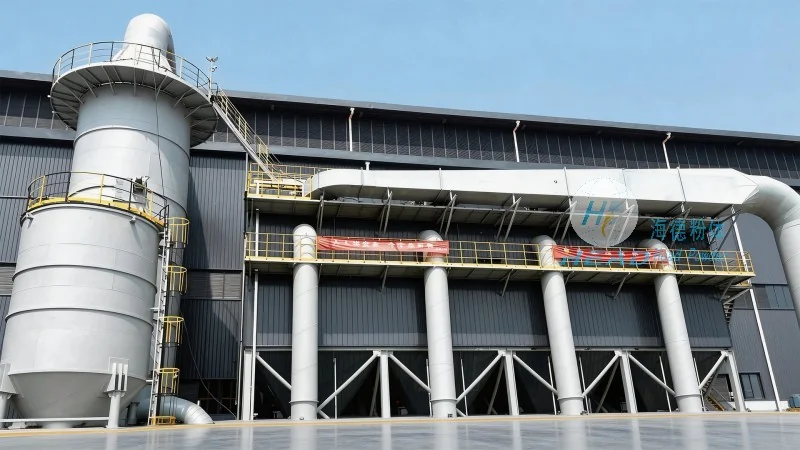
Distinguishing Between Positive and Negative Pressure Systems
Now that we have explored the characteristics of both positive and negative pressure systems, how can you determine which is right for your silica powder application? The key factors to consider include the distance of the conveying line, the material's properties (such as particle size, density, and moisture content), and the overall system layout. For long-distance or high-volume transport of silica powder, positive pressure systems are often the better choice due to their ability to handle higher pressures and flow rates. Conversely, for short-distance or low-volume applications where dust control is critical, negative pressure systems may be more suitable. Another important consideration is the environment and safety requirements. If the operation is in a confined space or requires strict dust containment, negative pressure systems with effective filtration are recommended. Conversely, if the system needs to integrate with existing high-pressure infrastructure, positive pressure is the preferred option.
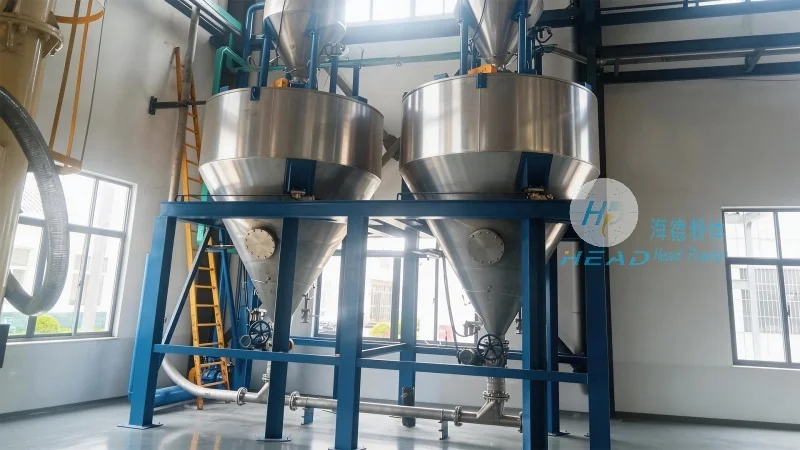
Factors to Consider When Choosing a System
When deciding between positive and negative pressure pneumatic conveying for silica powder, several factors should be evaluated. The first is the material's physical properties. Silica powder can vary in particle size, density, and moisture content, which affects how it behaves in a conveying system. For example, fine silica powders may require higher airflow rates to prevent clogging, making positive pressure more effective. The second factor is the distance and layout of the conveying line. Longer distances and complex piping networks benefit from positive pressure systems, as they can maintain pressure and flow over extended periods. The third factor is the cost and maintenance considerations. Positive pressure systems may have higher upfront costs but lower operational costs due to higher efficiency. Negative pressure systems, while cheaper initially, may have higher maintenance costs due to more frequent filter changes and equipment wear. The fourth factor is the environmental and safety regulations. If the operation is in an area with strict dust emission limits, negative pressure systems with advanced filtration are necessary to comply with regulations. Finally, the scalability of the system should be considered. If the production volume is expected to increase in the future, positive pressure systems offer better scalability due to their higher capacity.
Conclusion and Recommendations
Choosing between positive and negative pressure pneumatic conveying for silica powder requires a thorough analysis of your specific operational needs. Positive pressure systems are generally more suitable for high-volume, long-distance transport and handling of abrasive or high-density materials, offering consistent performance and reliability. Negative pressure systems are better for short-distance, low-volume applications where dust control and cost-effectiveness are priorities. By evaluating factors such as material properties, conveying distance, cost, and safety requirements, you can make an informed decision that optimizes your silica powder handling process. Shandong HeadPowder Engineering Co., Ltd., a leading provider of pneumatic conveying solutions, offers tailored systems that cater to these diverse needs, ensuring efficient and safe transport of silica powder. Whether you opt for positive or negative pressure, their expertise in system design and implementation can help you achieve the best results for your application.