

Choosing Between Positive Pressure and Negative Pressure for Calcium Carbonate Powder Pneumatic Conv
When it comes to transporting calcium carbonate powder, selecting the right pneumatic conveying system is crucial for efficiency, cost-effectiveness, and operational safety. Two primary methods dominate the industry: positive pressure and negative pressure systems. Understanding the differences between these approaches is essential for making an informed decision that aligns with your specific production needs. This article explores the key distinctions between positive pressure and negative pressure pneumatic conveying for calcium carbonate powder, helping you determine which system best suits your requirements.
Understanding Positive Pressure Pneumatic Conveying
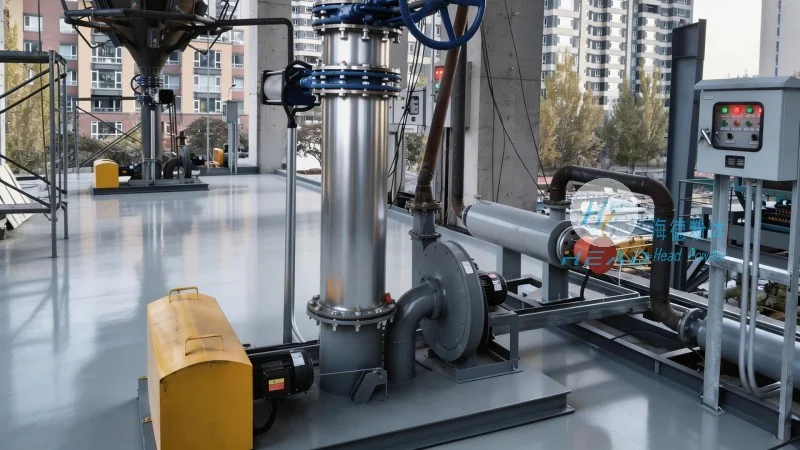
Positive pressure systems operate by blowing air or gas into the conveying line, creating a pressure higher than the ambient environment. This method forces the powder material through the pipeline. For calcium carbonate powder, positive pressure systems are often preferred for applications requiring high material throughput or long-distance transport. The high pressure ensures consistent flow and reduces the risk of blockages, making it suitable for large-scale industrial operations. Companies like Shandong HeadPowder Engineering Co., Ltd. (referred to as headpowder) specialize in designing and implementing positive pressure systems tailored to the unique characteristics of calcium carbonate powder, ensuring reliable and efficient material handling.
Key Features of Positive Pressure Conveying
Positive pressure systems typically feature a positive displacement blower or a high-pressure compressor that generates the necessary air pressure. The material is fed into the conveying line using a hopper or feeder, and the pressurized air propels the powder forward. This approach is particularly effective for abrasive or fine powders like calcium carbonate, as the high pressure minimizes particle degradation and maintains product quality. Additionally, positive pressure systems can handle a wide range of particle sizes and moisture content, making them versatile for various industrial applications. The robust design of these systems also contributes to lower maintenance costs over time, as they are less prone to wear and tear compared to some negative pressure alternatives.
Advantages of Positive Pressure Pneumatic Conveying
One of the primary advantages of positive pressure systems is their ability to handle high material loads with consistent performance. This makes them ideal for continuous production lines where uninterrupted material flow is critical. The high pressure also reduces the risk of dust emissions, as the sealed system prevents particles from escaping into the environment. Furthermore, positive pressure systems are generally easier to install and maintain, as they do not require complex vacuum equipment or extensive ductwork for air extraction. For calcium carbonate powder, which is often used in applications like papermaking, plastics, and coatings, the reliability and efficiency of positive pressure conveying can significantly improve overall production output.
Understanding Negative Pressure Pneumatic Conveying
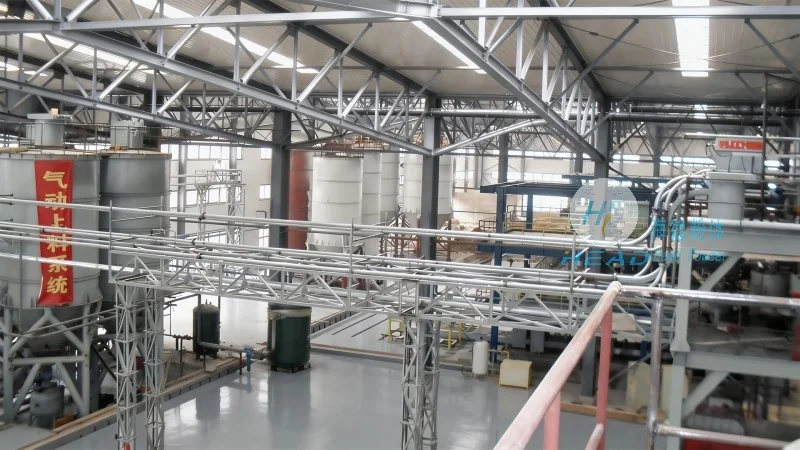
Negative pressure systems, also known as vacuum conveying, operate by creating a lower pressure inside the conveying line compared to the ambient environment. This pressure differential draws the powder material into the system using a vacuum pump. Negative pressure is often preferred for applications requiring gentle handling of delicate or fine powders, as the lower air velocity reduces the risk of particle breakage or agglomeration. For calcium carbonate powder, negative pressure systems are commonly used in situations where the material needs to be transported over shorter distances or in environments where dust control is a priority.
Key Features of Negative Pressure Conveying
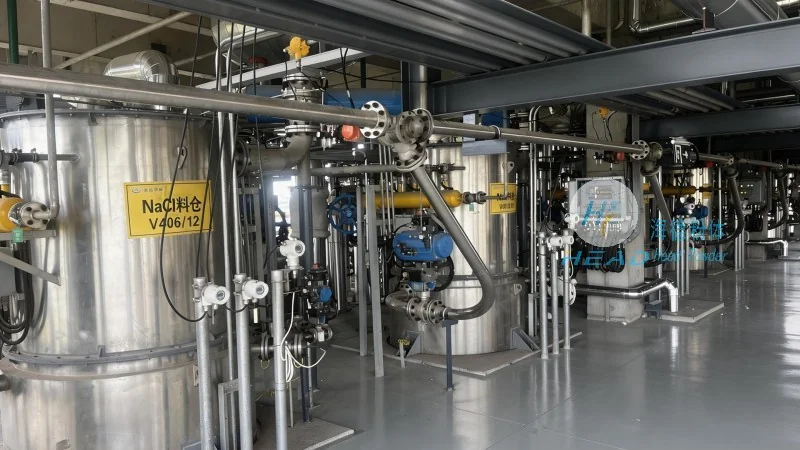
Negative pressure systems utilize a vacuum pump to create the necessary suction force. The powder is fed into the system through a hopper, and the vacuum draws the material into the conveying line. Unlike positive pressure systems, negative pressure systems do not require high-pressure blowers, making them more energy-efficient for shorter transport distances. The lower air velocity also helps maintain the integrity of the calcium carbonate powder, preventing it from becoming damaged or clumped together. However, negative pressure systems may require more extensive ductwork and filtration to manage dust and ensure proper air quality, especially when handling fine powders.
Advantages of Negative Pressure Pneumatic Conveying
One of the main advantages of negative pressure systems is their gentler handling of delicate materials. The lower air velocity reduces the risk of particle degradation, making them suitable for applications where product quality is paramount. Additionally, negative pressure systems are often more cost-effective for short-distance transport, as they require less energy to operate compared to high-pressure positive systems. For calcium carbonate powder used in pharmaceutical or food-grade applications, the gentle handling provided by negative pressure conveying can help maintain the material's purity and quality. The sealed system also helps minimize dust exposure, improving workplace safety and compliance with environmental regulations.
Distinguishing Between Positive and Negative Pressure Systems
When deciding between positive and negative pressure pneumatic conveying for calcium carbonate powder, several factors should be considered. The first is the distance and volume of material to be transported. Positive pressure systems are generally more suitable for long-distance or high-volume applications, while negative pressure systems are better for short distances or low-volume needs. The nature of the calcium carbonate powder itself also plays a role; fine or abrasive powders may benefit from the higher pressure and robust design of positive systems, whereas delicate or moisture-sensitive powders might be better suited to the gentler handling of negative systems. Additionally, the available space and infrastructure at the facility can influence the choice, as positive pressure systems may require more space for equipment and ductwork compared to negative pressure alternatives.
Conclusion: Choosing the Right Pneumatic Conveying System
Ultimately, the choice between positive and negative pressure pneumatic conveying for calcium carbonate powder depends on a combination of operational requirements, material characteristics, and cost considerations. Positive pressure systems offer high efficiency and reliability for large-scale applications, while negative pressure systems provide gentle handling and energy efficiency for shorter transport needs. By understanding the key differences in operation, advantages, and suitability for calcium carbonate powder, you can make an informed decision that optimizes your production process. Shandong HeadPowder Engineering Co., Ltd. specializes in providing tailored pneumatic conveying solutions that address the specific needs of calcium carbonate powder handling, ensuring that your material transport system is both effective and cost-efficient.