

Choosing Between Positive Pressure and Negative Pressure for Lithium Battery Mineral Powder Pneumati
When it comes to the pneumatic conveying of lithium battery mineral powders, selecting the right system is crucial for efficiency, safety, and operational reliability. Two primary methods are widely used: positive pressure and negative pressure systems. Understanding the differences and how to choose between them is essential for optimizing material handling processes in the lithium battery manufacturing industry. This article will explore the key aspects of both systems and provide guidance on how to make an informed decision.
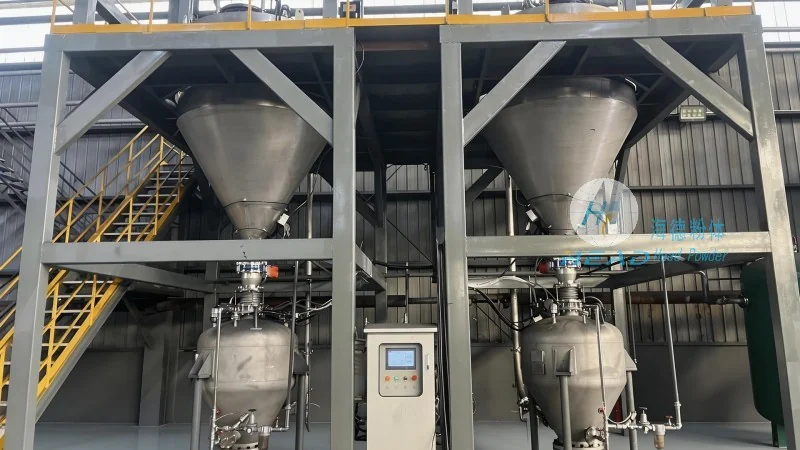
Introduction to Pneumatic Conveying Systems for Lithium Battery Mineral Powders
Pneumatic conveying is a vital technology in the processing of lithium battery raw materials, such as lithium carbonate, lithium hydroxide, and other mineral powders. These powders are often fine, abrasive, and require precise handling to prevent degradation or contamination. The choice between positive pressure and negative pressure systems depends on several factors, including material properties, system design, and operational requirements. Both systems have their advantages and limitations, and the optimal choice varies based on the specific application and production environment.
Positive Pressure Pneumatic Conveying Systems
Positive pressure systems operate by blowing air or gas into the conveying line, creating a pressure higher than the ambient air pressure. This method is commonly used for short to medium-distance conveying of powders. The primary advantages of positive pressure systems include high conveying capacity, ability to handle abrasive and corrosive materials, and lower maintenance requirements compared to negative pressure systems. The pressurized air pushes the material through the pipeline, ensuring consistent flow and preventing material buildup or clogging. This system is particularly suitable for applications where the material needs to be conveyed from a central storage point to multiple processing units or for high-volume production lines.
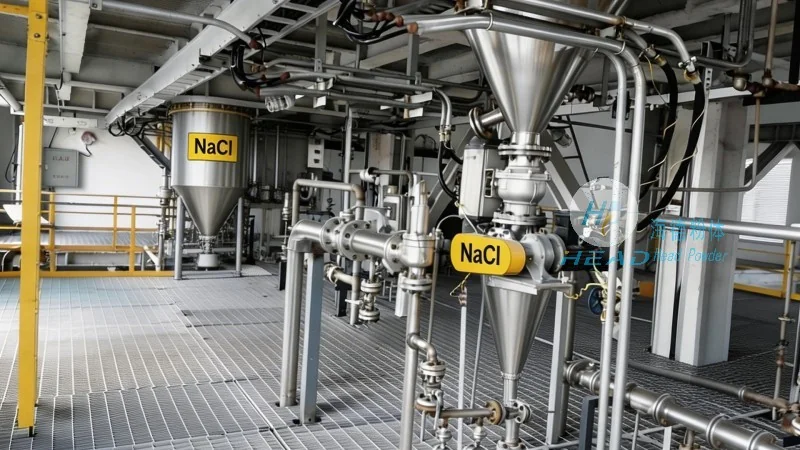
Negative Pressure Pneumatic Conveying Systems
Negative pressure systems, also known as vacuum or suction systems, operate by creating a vacuum in the conveying line, drawing material from the source into the system. This method is typically used for longer distances or when the material needs to be collected from multiple points and transported to a central processing facility. The key benefits of negative pressure systems include lower energy consumption for short distances, ability to handle fine powders without the need for high air velocities, and reduced risk of dust emissions compared to positive pressure systems. However, negative pressure systems may require more complex filtration and higher maintenance due to the continuous suction of air and material particles.
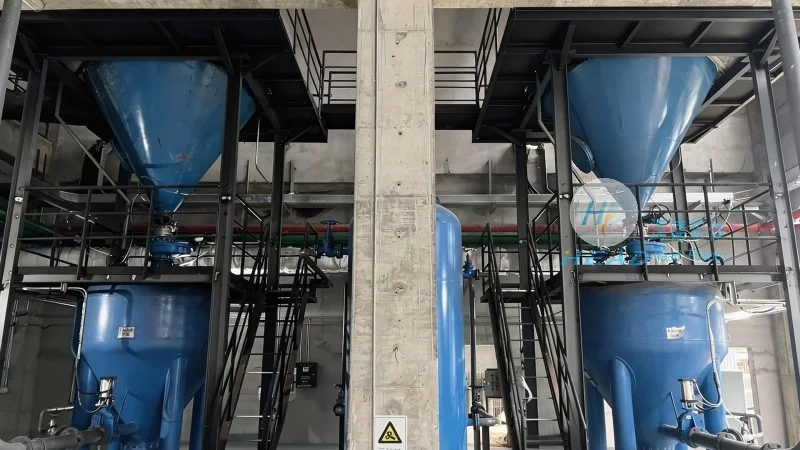
Distinguishing Between Positive and Negative Pressure Systems
Several factors can help in distinguishing between positive and negative pressure pneumatic conveying systems. First, consider the conveying distance and layout. Positive pressure systems are generally more suitable for shorter distances, typically up to a few hundred meters, due to the pressure drop in the pipeline. Negative pressure systems are better for longer distances, often exceeding 500 meters, as they can maintain suction over greater lengths. Second, evaluate the material properties. For abrasive or high-density powders, positive pressure systems may be preferred as they can handle higher air velocities and pressure without causing excessive wear. Conversely, for fine, low-density powders that are prone to clogging, negative pressure systems with lower air velocities may be more effective. Third, assess the operational environment. Positive pressure systems may be more suitable in environments where dust control is critical, as the pressurized air can be filtered and contained more easily. Negative pressure systems, while effective for suction, may require additional filtration to prevent dust from escaping into the workplace.
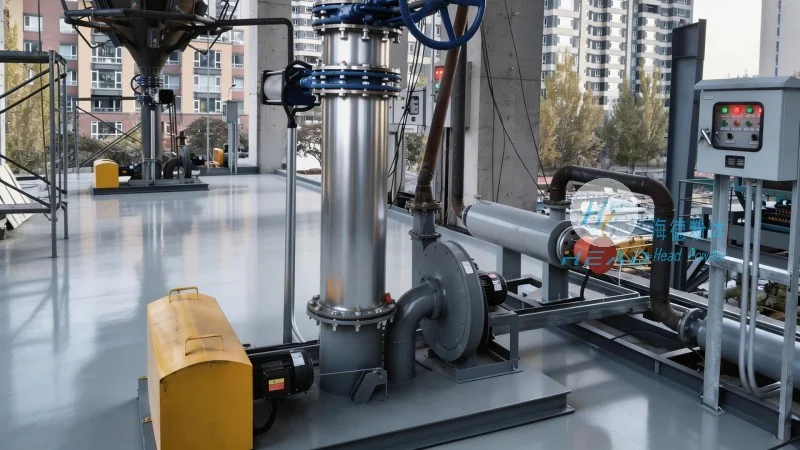
Application Considerations for Lithium Battery Mineral Powder Conveying
When selecting a pneumatic conveying system for lithium battery mineral powders, it is essential to consider the specific application requirements. For example, in a lithium battery production plant, the mineral powders may need to be conveyed from a raw material storage silo to a mixing or grinding unit. The choice between positive and negative pressure systems will depend on the distance between these points and the volume of material to be handled. If the distance is short and the production volume is high, a positive pressure system with a high conveying capacity may be the best choice. Conversely, if the material needs to be collected from multiple storage bins and transported to a central processing area over a longer distance, a negative pressure system with a vacuum pump may be more appropriate. Additionally, the system design should account for the potential for material degradation, such as agglomeration or moisture absorption, which can affect the quality of the final lithium battery products.
Conclusion
Choosing between positive pressure and negative pressure pneumatic conveying systems for lithium battery mineral powders requires a careful evaluation of operational needs, material properties, and system constraints. Positive pressure systems offer high capacity and reliability for short to medium distances, while negative pressure systems are better suited for longer distances and fine powders. By understanding the differences and considering the specific requirements of the lithium battery manufacturing process, manufacturers can select the most efficient and effective conveying system. Shandong HeadPowder Engineering Co., Ltd., a leading provider of pneumatic conveying solutions, offers tailored systems that meet the unique needs of the lithium battery industry, ensuring optimal performance and reliability in material handling operations.