

[LITHIUM HYDROXIDE PNEUMATIC CONVEYING: POSITIVE PRESSURE VS. NEGATIVE PRESSURE - HOW TO DISTINGUISH
Lithium hydroxide is a critical chemical in various industries, including battery manufacturing, pharmaceuticals, and chemical processing. When it comes to transporting this material, choosing the right pneumatic conveying method is crucial for efficiency, safety, and cost-effectiveness. Two primary approaches exist: positive pressure conveying and negative pressure conveying. Understanding the differences between these two systems is essential for selecting the most suitable solution for your operation.
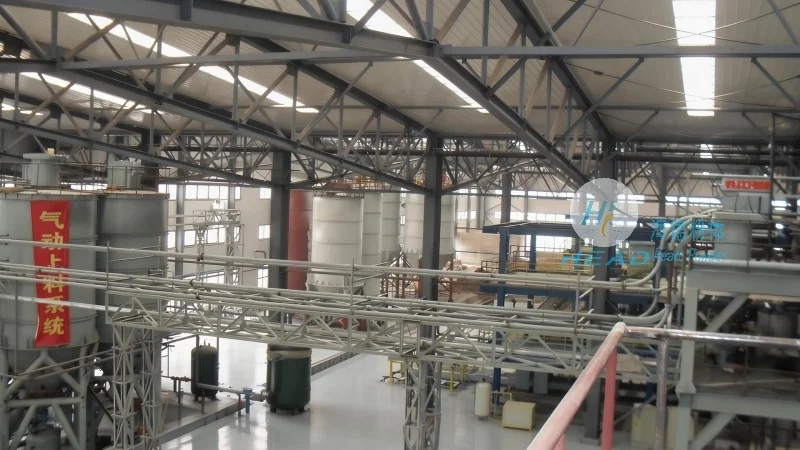
Key Characteristics of Positive Pressure Conveying
Positive pressure conveying operates by blowing air or gas into the conveying line, creating a pressure higher than the ambient air pressure. This method is often preferred for materials that are dusty or have a tendency to create static electricity. For lithium hydroxide, which can be hygroscopic and generate static, positive pressure systems can help control dust and prevent material buildup in the line. The system typically uses a blower or compressor to generate the pressure, and the material is drawn into the line as the air flows forward.
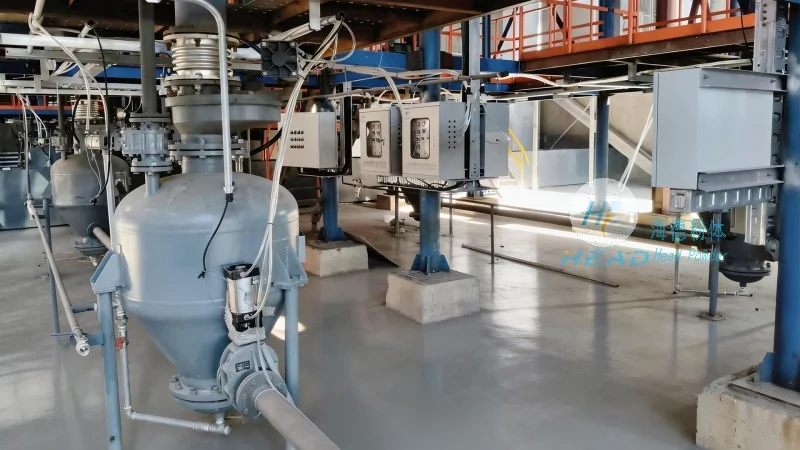
Key Characteristics of Negative Pressure Conveying
Negative pressure conveying, also known as suction conveying, works by creating a vacuum in the conveying line, which is lower than the ambient air pressure. The material is drawn into the line by the vacuum, and the air (carrying the material) is then discharged through a filter or cyclone. This method is often used for materials that are light or have a tendency to be carried by air currents. For lithium hydroxide, negative pressure systems can be effective for short-distance conveying, especially when the material is in a dry, powdered form. However, they may require more maintenance due to the higher air flow rates needed to maintain the vacuum.
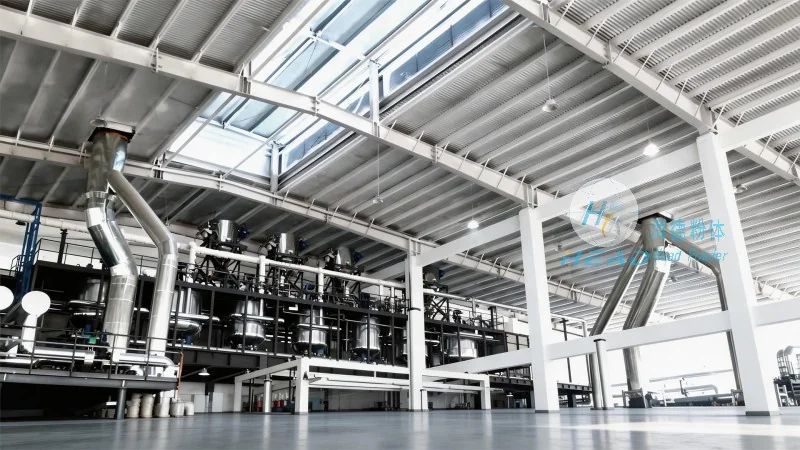
Distinguishing Between Positive and Negative Pressure Systems
There are several key factors to consider when distinguishing between positive and negative pressure conveying systems for lithium hydroxide:
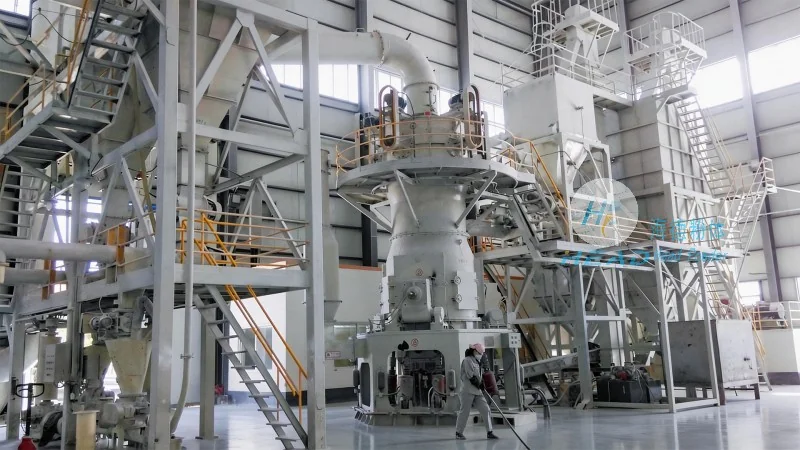
- Material Properties: The physical and chemical properties of lithium hydroxide, such as its dustiness, static charge, and hygroscopic nature, play a significant role. Positive pressure systems are generally better suited for materials that are prone to dust and static, as they can help control these issues. Negative pressure systems may be more appropriate for lighter materials or when the conveying distance is short.
- Conveying Distance and Distance: The distance over which the material needs to be conveyed is a critical factor. Positive pressure systems are often more efficient for longer distances, as they can maintain pressure and flow more effectively. Negative pressure systems are typically limited to shorter distances due to the energy required to maintain the vacuum.
- System Complexity and Maintenance: Positive pressure systems are generally simpler to install and maintain, as they do not require vacuum pumps or extensive filtration systems. Negative pressure systems, on the other hand, may require more complex equipment, such as high-capacity vacuum pumps and efficient dust collectors, to ensure proper operation.
- Environmental and Safety Considerations: Both systems have safety considerations, but positive pressure systems are generally preferred in environments where dust explosion risks are a concern, as they can help prevent the accumulation of dust in the line. Negative pressure systems may require additional measures to prevent the release of dust into the environment.
Choosing the Right Conveying System with HeadPowder Engineering
At Shandong HeadPowder Engineering Co., Ltd., we understand the importance of selecting the right pneumatic conveying system for lithium hydroxide. Our team of experts can help you evaluate your specific needs and recommend the most suitable solution. Whether you opt for a positive pressure or negative pressure system, our systems are designed to ensure efficient, safe, and cost-effective material transport. We provide comprehensive solutions, including system design, installation, and maintenance, to meet your operational requirements.