

[Lithium Iron Phosphate Pneumatic Conveying: Choosing Positive Pressure vs. Negative Pressure? How t
When it comes to handling lithium iron phosphate (LiFePO₄) in industrial applications, the choice between positive pressure and negative pressure pneumatic conveying systems is a critical decision. Both methods have their advantages and are suitable for different scenarios, but understanding the distinctions is essential for optimizing material transport efficiency and system performance. This article explores the key factors to consider when selecting the appropriate pneumatic conveying method for LiFePO₄, focusing on the technical differences, operational characteristics, and practical applications of each approach.
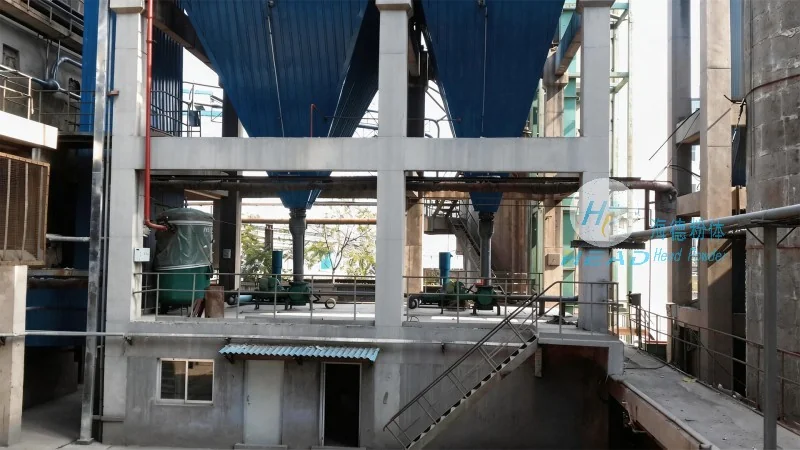
Introduction to Pneumatic Conveying for Lithium Iron Phosphate
Lithium iron phosphate is a widely used cathode material in lithium-ion batteries, valued for its stability, safety, and cost-effectiveness. In industrial settings, it is often handled as a fine powder or granular material that requires efficient and reliable transport from storage to processing equipment. Pneumatic conveying offers a non-contact, flexible, and often faster alternative to traditional mechanical conveying systems, making it a preferred choice for many LiFePO₄ processing facilities. However, the selection of the right pneumatic conveying system—whether positive pressure or negative pressure—depends on several factors, including material properties, system layout, and operational requirements.
Understanding Positive Pressure Pneumatic Conveying
Positive pressure pneumatic conveying systems operate by blowing air or gas into the conveying line, creating a pressure higher than the ambient air pressure. The material is drawn into the system and transported through the pipeline by the pressure differential. This method is particularly effective for conveying materials that are light, fine, or prone to dust generation. For LiFePO₄, positive pressure systems are often used when the material needs to be transported over longer distances or through complex piping networks. The high pressure ensures that the material is fully entrained and transported without clogging or loss of material.
Key Features of Positive Pressure Systems
Positive pressure systems typically feature a blower or compressor that generates the necessary pressure to move the material. The system includes a hopper or feeder that feeds the LiFePO₄ into the conveying line, often with a rotary valve or feeder to control the flow rate. The pipeline is usually made of materials resistant to corrosion, such as stainless steel or polyethylene, to prevent contamination and ensure durability. The pressure in the system is maintained at a level sufficient to overcome the resistance of the pipeline and the material's resistance to flow. This method is particularly suitable for applications where the material needs to be conveyed to multiple destinations or where the system layout is complex.
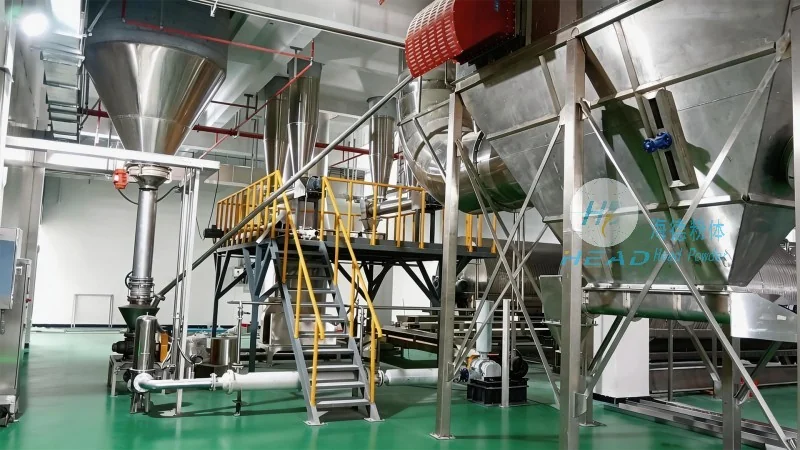
Understanding Negative Pressure Pneumatic Conveying
Negative pressure, or vacuum, pneumatic conveying systems work by creating a vacuum in the conveying line, which draws the material from the source into the system. The material is then transported through the pipeline by the pressure difference between the vacuum and the ambient air. This method is commonly used for materials that are heavy, coarse, or have a high bulk density, as the vacuum helps to pull the material along the pipeline. For LiFePO₄, negative pressure systems are often employed when the material is being transferred from a hopper or storage bin to a processing unit, especially when the distance is relatively short and the system layout is simple.
Key Features of Negative Pressure Systems
Negative pressure systems rely on a vacuum pump to create the necessary suction. The system includes a hopper or feeder that feeds the LiFePO₄ into the conveying line, often with a rotary valve or feeder to control the flow. The pipeline is typically made of materials that can withstand the vacuum conditions, such as stainless steel or PVC. The vacuum level is maintained at a level sufficient to draw the material from the source into the system. This method is particularly effective for applications where the material is being transferred from a single point to a processing unit, and where the system layout is straightforward.
Distinguishing Between Positive and Negative Pressure Systems
The primary distinction between positive and negative pressure pneumatic conveying systems lies in the direction of air flow and the pressure differential. In positive pressure systems, air is forced into the conveying line, pushing the material forward. In negative pressure systems, air is drawn out of the line, pulling the material along. This fundamental difference affects the system's design, components, and operational characteristics. For LiFePO₄, the choice between the two systems depends on several factors, including the material's particle size, density, and flow characteristics, as well as the system's layout and the distance to be covered.
Factors to Consider When Choosing a System
When selecting between positive and negative pressure pneumatic conveying for LiFePO₄, several key factors must be evaluated. First, the material properties of LiFePO₄, such as its particle size distribution, bulk density, and flowability, play a crucial role. Fine powders with low bulk density are better suited for positive pressure systems, as the high pressure ensures complete entrainment. In contrast, coarser or denser materials may require negative pressure systems, as the vacuum helps to pull the material along the pipeline without clogging. Second, the system layout and the distance to be covered are important considerations. Positive pressure systems are generally more suitable for longer distances or complex layouts, as they can maintain higher pressure levels. Negative pressure systems are often preferred for shorter distances and simpler layouts, as they are less prone to pressure buildup and require less maintenance.
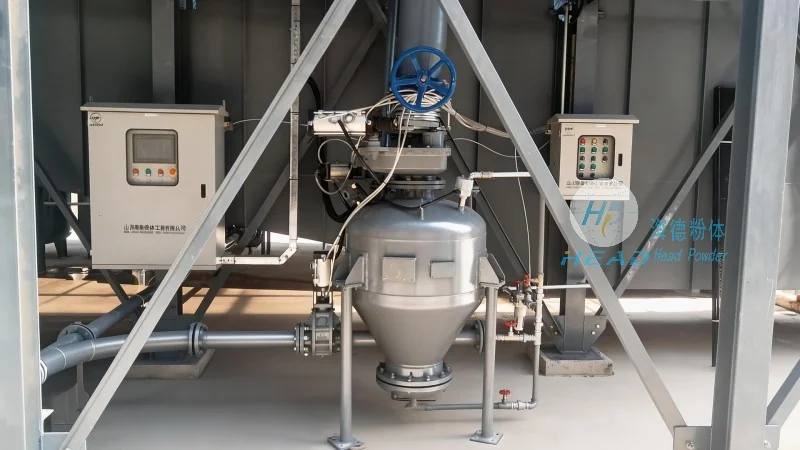
Operational Considerations and Maintenance
Operational considerations, such as the system's efficiency, energy consumption, and maintenance requirements, also influence the choice between positive and negative pressure systems. Positive pressure systems typically consume more energy due to the need to generate high pressure, but they offer higher conveying rates and are more suitable for long-distance transport. Negative pressure systems, on the other hand, consume less energy but may have lower conveying rates and are more susceptible to clogging if the material is not properly conditioned. Maintenance is another critical factor, as positive pressure systems may require more frequent cleaning of the blower and pipeline to prevent dust accumulation, while negative pressure systems may need regular checks of the vacuum pump and filters to ensure proper suction.
Case Studies and Practical Applications
Real-world applications of positive and negative pressure pneumatic conveying for LiFePO₄ provide valuable insights into the effectiveness of each system. For example, a lithium battery manufacturing plant in China uses a positive pressure system to transport fine LiFePO₄ powder from a storage silo to a mixing unit over a distance of 100 meters. The system is designed with a high-pressure blower and stainless steel pipeline, ensuring efficient and continuous material transport. In contrast, another plant uses a negative pressure system to transfer coarser LiFePO₄ granules from a hopper to a grinding machine over a shorter distance of 30 meters. The negative pressure system, equipped with a vacuum pump and PVC pipeline, effectively handles the material without clogging or loss. These case studies highlight the importance of matching the system type to the specific material and operational requirements to achieve optimal performance.
Conclusion
Choosing between positive and negative pressure pneumatic conveying for lithium iron phosphate requires a thorough understanding of the material properties, system layout, and operational goals. Positive pressure systems are generally more suitable for fine, light materials and longer distances, while negative pressure systems are better for coarser, denser materials and shorter distances. By evaluating factors such as material flowability, system complexity, and energy consumption, industrial facilities can select the most appropriate pneumatic conveying method to ensure efficient and reliable transport of LiFePO₄. The key is to balance the advantages of each system with the specific requirements of the application to achieve optimal performance and minimize operational costs.