

Choosing Positive Pressure or Negative Pressure for Artificial Graphite Pneumatic Conveying? How to
When handling artificial graphite, selecting the appropriate pneumatic conveying system is crucial for efficiency and safety. The two primary types are positive pressure and negative pressure systems, each with distinct characteristics and applications. This article explores the key factors to consider when choosing between them for artificial graphite material handling, with a focus on the practical differences and how to make an informed decision.
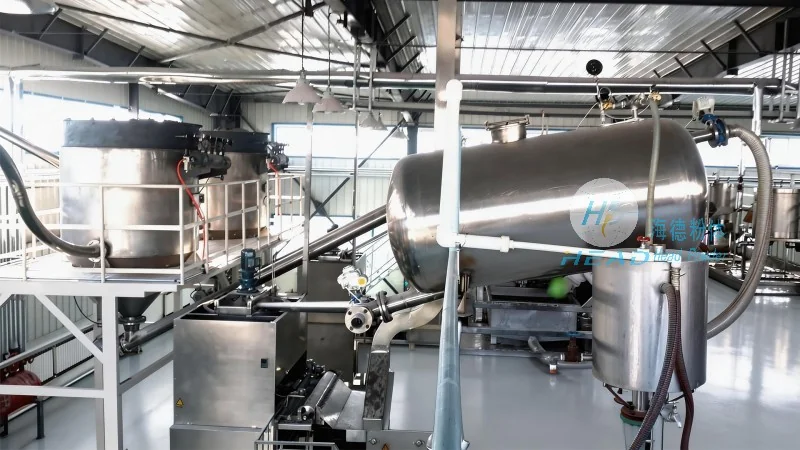
Positive Pressure Pneumatic Conveying Systems
Positive pressure systems operate by blowing air or gas into the conveying line, pushing the material forward. This method is often preferred for artificial graphite due to its ability to handle abrasive or corrosive materials without causing excessive wear on the system components. The pressurized air creates a consistent flow, ensuring that the graphite particles move smoothly through the pipeline. For artificial graphite, which can be fine and easily suspended, positive pressure systems provide reliable transport, especially when dealing with long distances or multiple transfer points. The system typically includes a blower, a hopper for material storage, and a pipeline network that distributes the material to various destinations. The positive pressure approach minimizes the risk of material buildup and ensures that the graphite remains in a suspended state, preventing clogging and maintaining system performance.
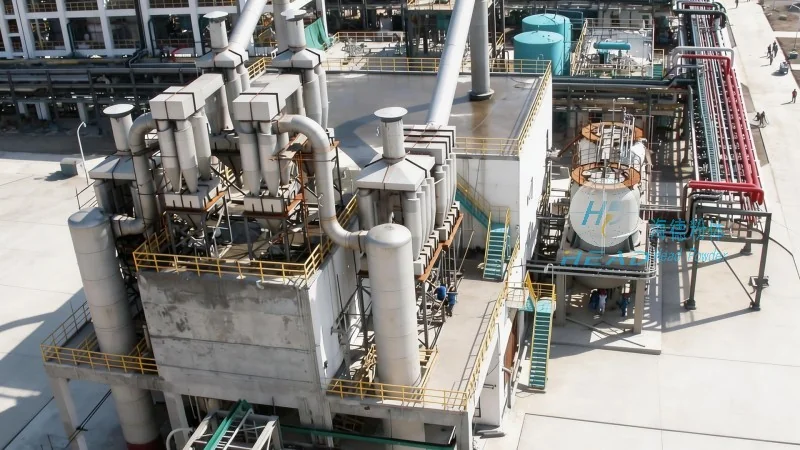
Negative Pressure Pneumatic Conveying Systems
Negative pressure systems, also known as vacuum or suction systems, work by creating a vacuum in the pipeline to draw material from the source. This method is suitable for artificial graphite when the material needs to be collected from a confined space or when the system is designed to handle lighter loads. The vacuum pulls the graphite particles into the pipeline, and the air flow carries them to the destination. Negative pressure systems are often used in applications where the material is to be transferred from a silo or a storage bin into a processing unit. They are particularly effective for handling fine powders like artificial graphite, as the vacuum ensures that the particles are drawn efficiently without the need for high pressure. However, negative pressure systems may require more maintenance to prevent dust and particles from entering the vacuum pump, and they can be less efficient over long distances compared to positive pressure systems.
Distinguishing Between Positive and Negative Pressure Systems
How can you tell which system is right for your artificial graphite handling needs? The primary distinction lies in the direction of air flow and the pressure differential. Positive pressure systems use compressed air to push material, while negative pressure systems use suction to pull material. For artificial graphite, the choice often depends on the material's properties, such as particle size, moisture content, and abrasiveness. Fine artificial graphite particles may perform better in positive pressure systems due to the consistent flow and reduced risk of clogging. Conversely, if the material is being collected from a specific source and the system is short, negative pressure might be more suitable. Additionally, the system's layout and the number of transfer points play a role. Positive pressure systems are ideal for long-distance or multi-point transfers, while negative pressure is better for localized collection. Another factor is the environmental impact; positive pressure systems may require more energy but offer better control over dust emissions, whereas negative pressure systems can be more energy-efficient but may need additional filtration to prevent air contamination.
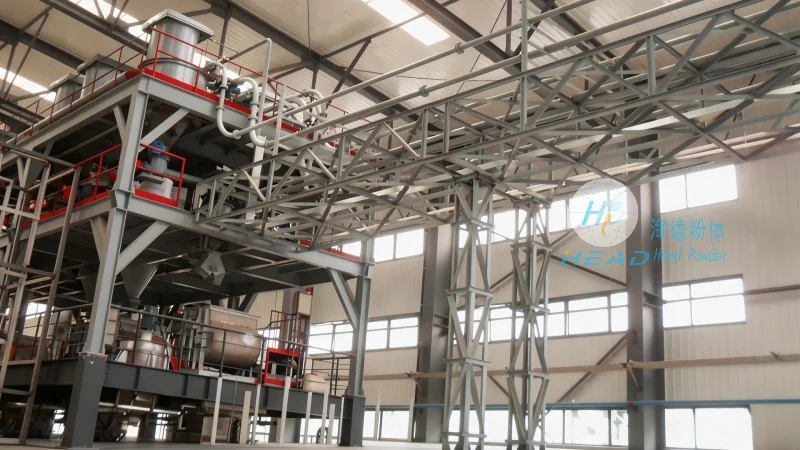
About Shandong HeadPowder Engineering Co., Ltd.
Shandong HeadPowder Engineering Co., Ltd., commonly known as HeadPowder, is a leading provider of pneumatic conveying solutions tailored for various industrial applications, including artificial graphite processing. With a focus on innovation and customer satisfaction, HeadPowder offers customized systems that meet the specific requirements of each project. The company's expertise lies in designing and manufacturing efficient and reliable pneumatic conveying equipment, ensuring that artificial graphite is handled safely and effectively. HeadPowder's solutions are built to withstand the challenges of artificial graphite, such as its abrasive nature and fine particle size, providing long-term performance and minimal maintenance. Based in Shandong, China, HeadPowder serves clients globally, delivering high-quality systems that enhance productivity and reduce operational costs in artificial graphite handling operations.