

Phenolic Resin Pneumatic Conveying: Choosing Positive Pressure vs. Negative Pressure? How to Disting
Phenolic resin, a key material in various industrial applications, often requires efficient and reliable material handling solutions. Among the available methods, pneumatic conveying stands out as a versatile and effective approach. However, when selecting the appropriate pneumatic conveying system for phenolic resin, a critical decision arises: should one opt for positive pressure or negative pressure? Understanding the distinctions and characteristics of each method is essential for ensuring optimal performance, safety, and cost-effectiveness. This article aims to provide a comprehensive overview of the factors influencing the choice between positive and negative pressure systems for phenolic resin pneumatic conveying, along with practical guidance on how to make an informed decision.
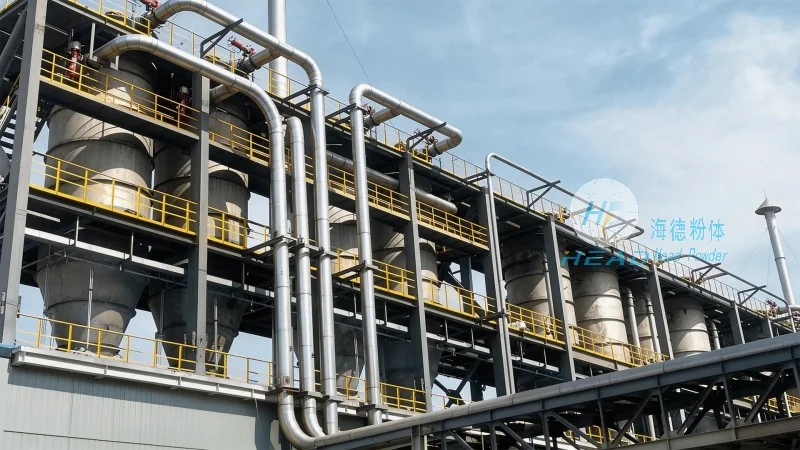
Understanding Pneumatic Conveying Systems
Pneumatic conveying systems are designed to transport bulk materials, such as powders and granules, using air or gas as the conveying medium. These systems are widely used in industries like chemical processing, food processing, and pharmaceuticals due to their ability to handle materials that are difficult to transport by traditional methods. The two primary types of pneumatic conveying systems are positive pressure and negative pressure, each with distinct operational principles and applications.
Positive Pressure Pneumatic Conveying
Positive pressure systems operate by blowing air or gas into the conveying line, creating a pressure higher than the ambient air pressure. This pressure difference forces the material to move through the system. In the context of phenolic resin, positive pressure systems are particularly suitable for applications where the material needs to be transported over longer distances or through complex piping networks. The high pressure ensures that the material is consistently and reliably conveyed, minimizing the risk of blockages or material degradation. Additionally, positive pressure systems are generally more suitable for materials that are sensitive to moisture or air exposure, as the sealed system prevents contamination and maintains material integrity.
Negative Pressure Pneumatic Conveying
Negative pressure systems, on the other hand, create a vacuum or lower pressure within the conveying line compared to the ambient air pressure. This pressure difference draws the material into the system, where it is then carried by the air flow. Negative pressure systems are often preferred for applications involving short-distance transport or when the material is to be collected from a specific source. They are particularly effective for handling materials that are light and prone to dust generation, as the vacuum helps to control dust and maintain a clean environment. However, negative pressure systems may be less efficient for long-distance transport due to the potential for pressure loss and material deposition in the line.
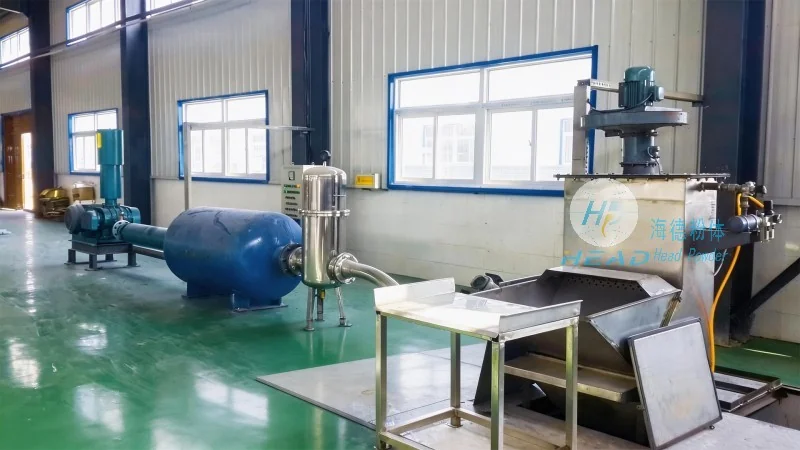
Distinguishing Between Positive and Negative Pressure Systems
When deciding between positive and negative pressure systems for phenolic resin pneumatic conveying, several factors must be considered. The first and most critical factor is the distance over which the material needs to be transported. Positive pressure systems are generally more suitable for longer distances, while negative pressure systems are better for shorter distances. Another important consideration is the material characteristics of the phenolic resin, including its particle size, moisture content, and dust generation potential. Materials with high dust generation or sensitivity to air exposure may benefit more from positive pressure systems, whereas materials that are light and require minimal pressure may be better suited for negative pressure systems. Additionally, the system's capacity and the need for material containment also play a role. Positive pressure systems often require more robust equipment and higher energy consumption, while negative pressure systems may be more cost-effective for smaller-scale operations.
Practical Considerations and Recommendations
For phenolic resin applications, the choice between positive and negative pressure systems should be based on a thorough evaluation of the specific operational requirements. Positive pressure systems are typically recommended for applications involving long-distance transport, complex piping layouts, or materials that are sensitive to moisture and air. They offer greater control over material flow and are less prone to blockages, making them ideal for high-volume operations. Conversely, negative pressure systems are suitable for short-distance transport, collection of materials from specific sources, or when the material is light and requires minimal pressure. They are often more cost-effective and easier to install for smaller-scale operations.
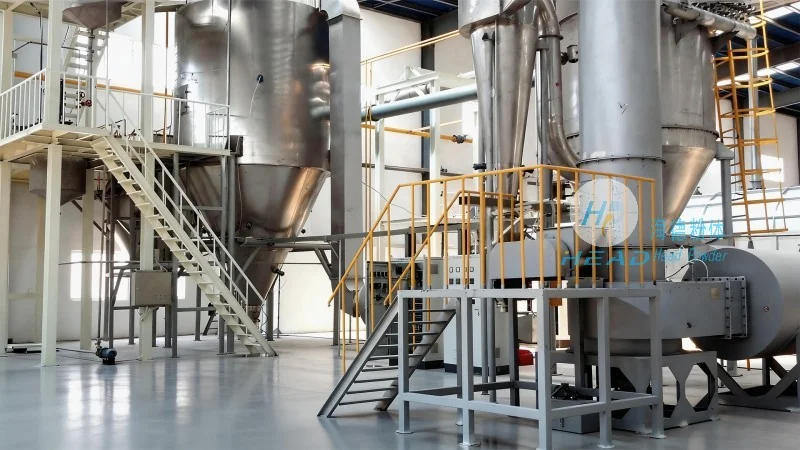
It is also important to consider the overall system design and maintenance requirements. Positive pressure systems may require more frequent maintenance due to the higher pressure and potential for wear and tear, while negative pressure systems may need more attention to dust control and air filtration. The choice of system should align with the long-term operational goals and budget constraints of the organization.
Conclusion
Choosing the right pneumatic conveying system for phenolic resin is a critical decision that impacts operational efficiency, safety, and cost. By understanding the characteristics and applications of both positive and negative pressure systems, and considering factors such as transport distance, material properties, and system capacity, organizations can make an informed choice that best suits their needs. Whether opting for positive or negative pressure, the goal is to ensure reliable, efficient, and safe material handling for phenolic resin, ultimately contributing to improved productivity and reduced operational costs.
Shandong HeadPowder Engineering Co., Ltd., a leading provider of pneumatic conveying solutions, specializes in designing and manufacturing customized systems tailored to the unique requirements of phenolic resin applications. With years of experience and a commitment to quality, HeadPowder offers advanced solutions that enhance material handling efficiency and safety. Based in Shandong, China, the company serves clients globally, providing expert guidance and support throughout the system design and implementation process. For more information on phenolic resin pneumatic conveying systems, contact HeadPowder today.