

Choosing Between Positive Pressure and Negative Pressure for Polyester Fiber Pneumatic Conveying: Ho
When handling polyester fibers, selecting the right pneumatic conveying system is crucial for efficiency and material integrity. The primary decision point is choosing between positive pressure and negative pressure systems. Understanding the differences and how to identify the appropriate system for your application is essential for optimizing material transport in industrial settings.
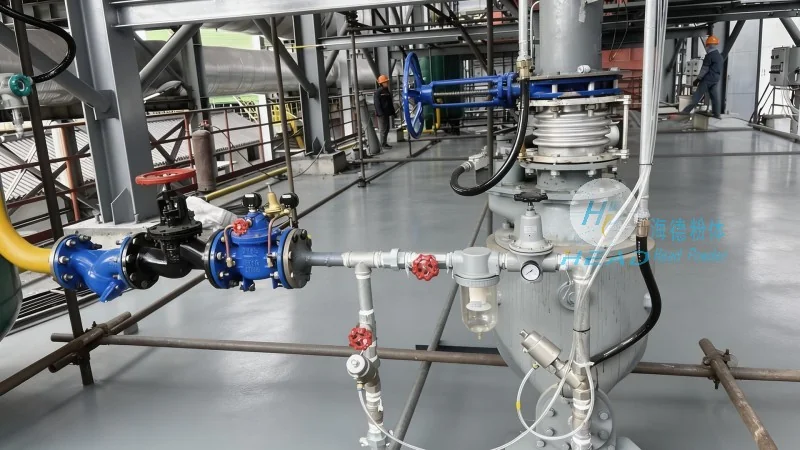
About HeadPowder Engineering
HeadPowder, a leading provider of pneumatic conveying solutions, specializes in systems tailored for polyester fiber applications. With a focus on engineering excellence and customer-specific solutions, Shandong HeadPowder Engineering Co., Ltd. offers expertise in designing and implementing both positive and negative pressure systems. The company’s headquarters are located in Shandong, China, where its team of engineers and technicians develop innovative solutions to meet the unique challenges of polyester fiber handling.
Distinguishing Positive Pressure vs. Negative Pressure Conveying
Positive pressure pneumatic conveying systems operate by blowing air or gas into the conveying line, pushing the material forward. This method is often preferred for polyester fibers due to its ability to handle abrasive or sensitive materials without causing damage. The system typically uses a blower or compressor to generate the pressure, ensuring consistent material flow and minimal degradation of the fibers. Positive pressure systems are also effective for long-distance or high-rise applications, as the pressure can be maintained throughout the entire conveying path.
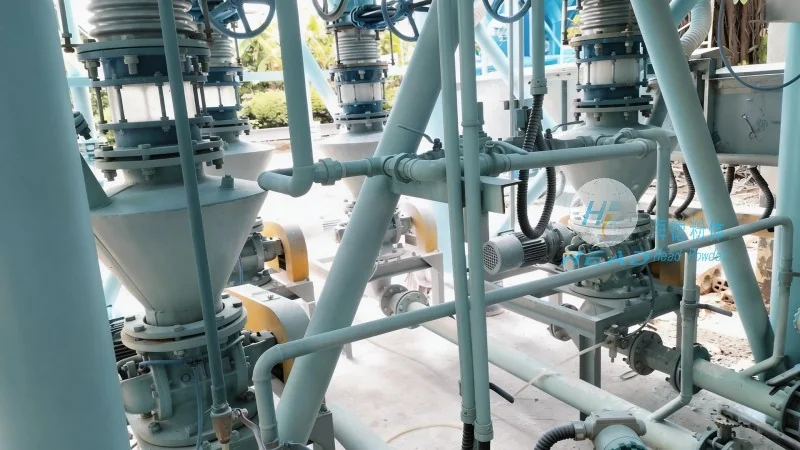
Negative pressure, or vacuum, systems work by creating a vacuum in the conveying line, drawing the material into the system. This approach is generally more suitable for applications where the material is light and can be easily entrained by the air flow. Negative pressure systems are often used for short-distance or low-rise applications, as the vacuum may not be sufficient to maintain consistent flow over longer distances. Additionally, these systems are less effective for handling abrasive or heavy materials, as the vacuum may not provide enough force to move the material efficiently.
Factors to Consider When Choosing a Conveying System
Several factors influence the decision between positive and negative pressure systems for polyester fibers. The first consideration is the material's physical properties, such as particle size, density, and moisture content. Polyester fibers are typically lightweight and have a relatively low density, making them well-suited for both positive and negative pressure systems. However, if the fibers are abrasive or have sharp edges, a positive pressure system may be preferred to prevent wear on the conveying components. The second factor is the distance and elevation changes required for material transport. Positive pressure systems are ideal for long distances or significant vertical lifts, as the pressure can be maintained throughout the system. Negative pressure systems are more suitable for shorter distances or when the material needs to be collected from multiple points.
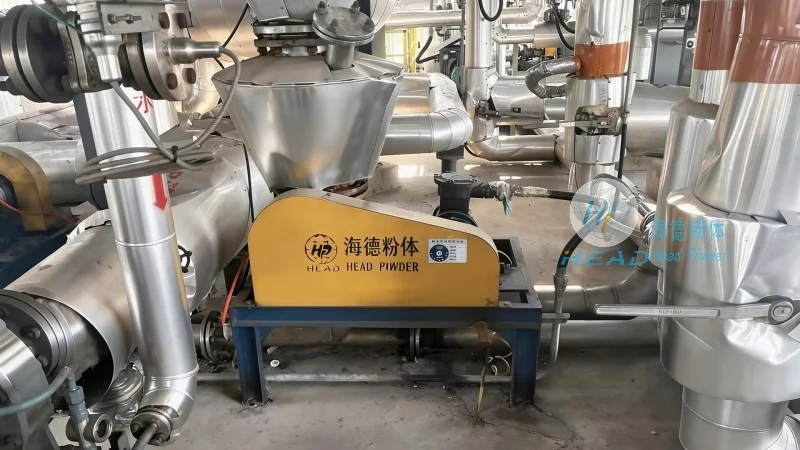
The third factor is the system's impact on the environment and operational costs. Positive pressure systems may require more energy to operate due to the need for a blower or compressor, but they offer better control over material flow and can handle more challenging applications. Negative pressure systems are generally more energy-efficient but may require additional filtration to prevent dust from escaping into the environment. The choice between the two systems also depends on the specific application requirements, including the need for dust control, material recovery, or integration with existing equipment.
Key Features and Advantages of Each System
Positive pressure pneumatic conveying systems offer several advantages for polyester fiber handling. The primary benefit is the ability to handle a wide range of material types, including abrasive or sensitive fibers, without causing damage. The system's design allows for consistent material flow, reducing the risk of clogging or blockages. Additionally, positive pressure systems provide better control over the conveying process, enabling precise control of material delivery to the destination. This control is particularly important in applications where the material needs to be delivered to specific locations or integrated with downstream processes.
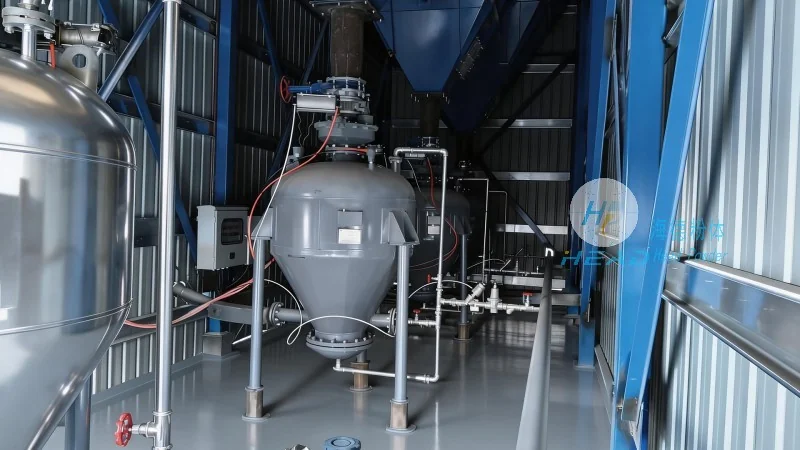
Negative pressure systems, while less common for polyester fibers, have their own advantages. The main benefit is the reduced risk of dust emissions, as the system operates under a vacuum, preventing dust from escaping into the environment. This makes negative pressure systems suitable for applications where environmental regulations are strict or where dust control is a priority. Additionally, negative pressure systems are often more compact and require less space for installation, making them ideal for applications with limited floor space. However, the efficiency of these systems is lower for longer distances or when handling heavy materials.
Conclusion and Recommendations
Choosing between positive pressure and negative pressure pneumatic conveying systems for polyester fibers requires careful consideration of the application's specific needs. Positive pressure systems are generally more versatile and suitable for a wider range of applications, including long-distance or high-rise transport. Negative pressure systems are better suited for short-distance or low-rise applications where dust control is a primary concern. When selecting a system, it is essential to evaluate the material's properties, the required transport distance, and the environmental and operational constraints. Consulting with a specialized engineering company, such as Shandong HeadPowder Engineering Co., Ltd., can provide valuable insights and help design a system that meets all the requirements for efficient and reliable polyester fiber handling.