

Polyethylene Pellet Pneumatic Conveying: Positive Pressure vs. Negative Pressure - How to Differenti
When it comes to transporting polyethylene pellets via pneumatic systems, the choice between positive pressure and negative pressure conveyance is a critical decision for industrial operations. Both methods have their own advantages and are suitable for different scenarios. Understanding the distinctions between these two approaches is essential for optimizing material handling efficiency and system performance. This article aims to provide a comprehensive guide on how to choose between positive pressure and negative pressure for polyethylene pellet pneumatic conveying, with a focus on the key factors that influence this decision.
Understanding Positive Pressure Pneumatic Conveying
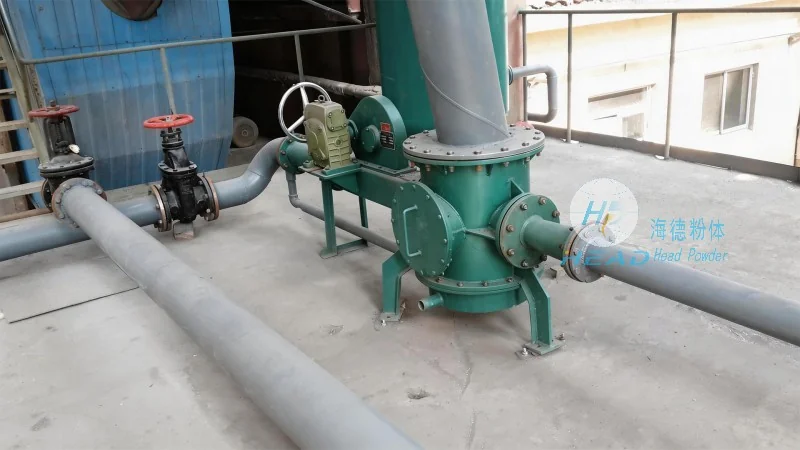
Positive pressure pneumatic conveying systems operate by blowing air or gas into the conveying line, creating a pressure higher than the ambient air pressure. This method is often used for short to medium distance conveying and is particularly effective for handling dry, free-flowing materials like polyethylene pellets. The primary advantage of positive pressure systems is their ability to handle abrasive or corrosive materials without significant wear on the system components. Additionally, they can operate in a closed loop, which helps in controlling dust emissions and maintaining a clean working environment. The system typically consists of a blower, a hopper, a conveying line, and a receiver. The air is introduced at the inlet of the hopper, and the pellets are drawn into the line by the pressure differential. This method is suitable for applications where the material needs to be conveyed from a central location to multiple destinations or where the system needs to be integrated with existing infrastructure.
Understanding Negative Pressure Pneumatic Conveying
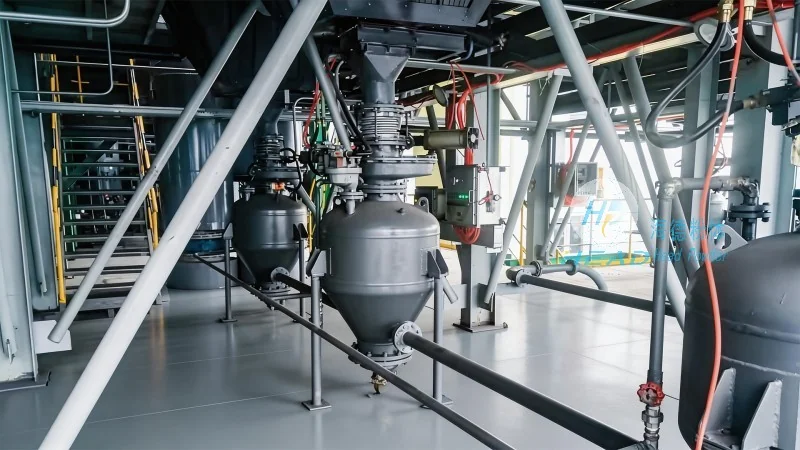
Negative pressure, or vacuum, pneumatic conveying systems work by creating a vacuum in the conveying line, which draws the material from the source into the line. This method is commonly used for longer distances and for materials that are more sensitive to pressure or for applications where the material needs to be conveyed from multiple points to a central receiver. The main benefit of negative pressure systems is their ability to handle materials that are prone to dust or are more easily contaminated. The system includes a vacuum pump, a hopper, a conveying line, and a receiver. The vacuum is created at the receiver end, and the material is drawn into the line due to the pressure difference between the source and the receiver. This method is ideal for applications where the material is to be collected from various locations and transported to a single processing facility. However, negative pressure systems may require more maintenance as the vacuum pump and associated components are more prone to wear and tear from dust and particulate matter.
Distinguishing Between Positive and Negative Pressure Systems
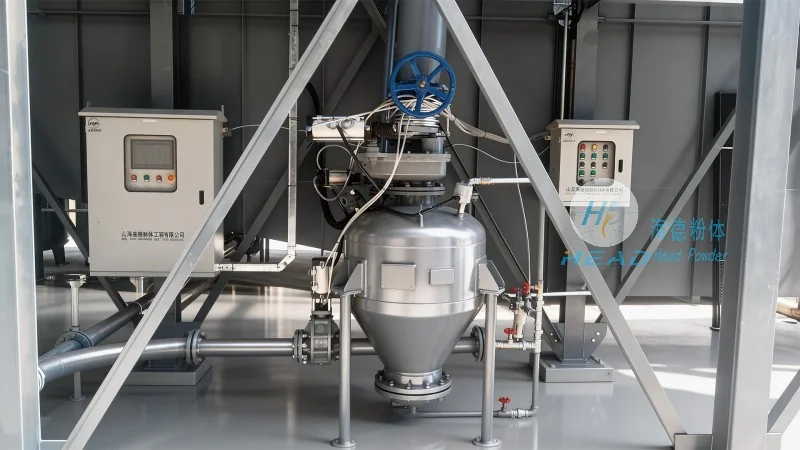
There are several key factors to consider when differentiating between positive and negative pressure pneumatic conveying systems for polyethylene pellets. The first is the distance of the conveying line. Positive pressure systems are generally more suitable for shorter distances, typically up to a few hundred meters, while negative pressure systems can handle longer distances, sometimes exceeding a kilometer. The second factor is the material characteristics. Positive pressure is better for dry, non-abrasive materials, whereas negative pressure is more suitable for materials that are more prone to dust or are sensitive to pressure. The third factor is the system layout and integration. Positive pressure systems are often used in a closed loop, which helps in controlling emissions, while negative pressure systems are more commonly used in open systems where the material is drawn from multiple sources. The fourth factor is the cost and maintenance considerations. Positive pressure systems generally have lower maintenance requirements as they do not involve vacuum pumps, but they may require more powerful blowers. Negative pressure systems, on the other hand, have higher maintenance costs due to the vacuum pump and associated components, but they can be more energy-efficient for longer distances.
Application Scenarios for Polyethylene Pellet Pneumatic Conveying
Positive pressure systems are commonly used in applications such as pelletizing plants where the material needs to be conveyed from the extrusion line to the storage silos or to the packaging line. They are also used in recycling facilities where the polyethylene pellets are to be transported from the sorting area to the processing area. Negative pressure systems are often used in applications where the material needs to be collected from multiple points, such as in a warehouse or a distribution center, and transported to a central processing facility. They are also used in applications where the material is to be conveyed over longer distances, such as from a storage silo to a manufacturing plant located several kilometers away.
Conclusion and Recommendations
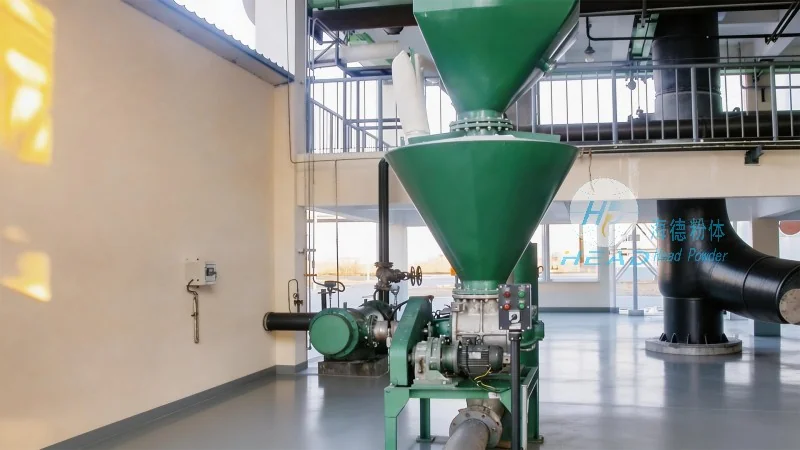
Choosing between positive pressure and negative pressure for polyethylene pellet pneumatic conveying depends on several factors, including the distance of the conveying line, the material characteristics, the system layout, and the cost and maintenance considerations. Positive pressure systems are generally more suitable for shorter distances and for handling dry, non-abrasive materials, while negative pressure systems are more suitable for longer distances and for materials that are more prone to dust or are sensitive to pressure. It is important to consider the specific requirements of the application and to consult with a qualified engineer to determine the most appropriate system for the job. By understanding the differences between these two methods, industrial operations can optimize their material handling processes and improve overall efficiency.