

Choosing Between Positive Pressure and Negative Pressure for Powdered Stabilizer Pneumatic Conveying
When it comes to transporting powdered stabilizers in industrial settings, selecting the appropriate pneumatic conveying system is critical for efficiency, safety, and cost-effectiveness. The two primary options are positive pressure and negative pressure systems, each with distinct characteristics that make them suitable for different applications. Understanding the differences between these systems is essential for optimizing material handling processes and ensuring reliable performance. This article explores the key factors to consider when choosing between positive and negative pressure for powdered stabilizer pneumatic conveying, with insights from industry experts at Shandong HeadPowder Engineering Co., Ltd., a leading provider of material handling solutions in China.
Understanding Positive Pressure Pneumatic Conveying
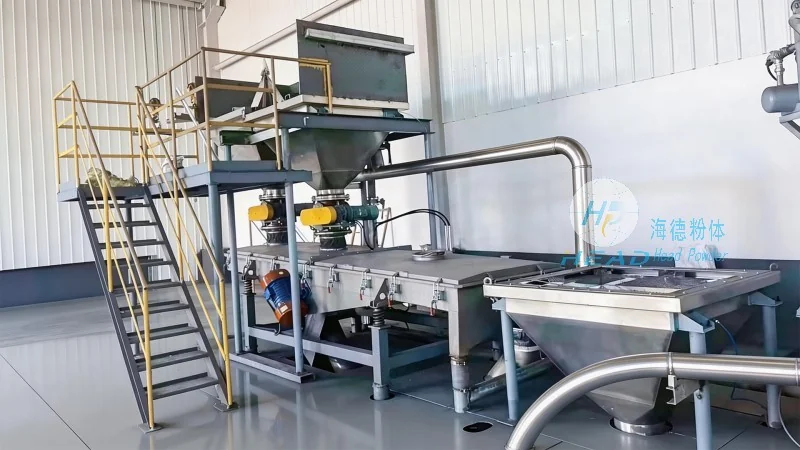
Positive pressure pneumatic conveying systems operate by blowing air or gas into the conveying line, creating a pressure higher than the ambient air pressure. This method is often referred to as "blow-through" or "pressure-fed" conveying. In this system, the material is drawn into the line by the moving air stream, which then transports it to the destination. For powdered stabilizers, positive pressure systems are particularly effective when dealing with abrasive or corrosive materials, as the high-pressure air helps to maintain material integrity and prevent clogging. Additionally, positive pressure systems are well-suited for applications requiring high conveying distances or when the material needs to be delivered to multiple points. The primary advantage of this approach is its ability to handle a wide range of materials, including those with high moisture content or sticky properties, by maintaining consistent air flow and pressure. However, it is important to note that positive pressure systems may require more maintenance due to the higher stress on components like pumps and valves, and they can be more expensive to install and operate compared to negative pressure systems.
Exploring Negative Pressure Pneumatic Conveying
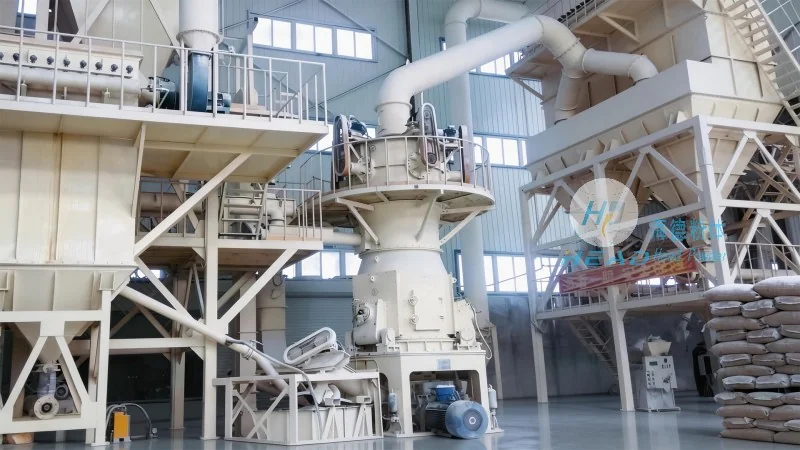
Negative pressure pneumatic conveying, also known as "suction" or "vacuum" conveying, works by creating a vacuum in the conveying line, which draws the material from the source into the system. The air is then drawn through the material, carrying it to the collection point. This method is ideal for applications where the material needs to be transported from a single source to a single destination, as it minimizes the risk of cross-contamination and is often more compact in design. Negative pressure systems are particularly effective for handling fine powders, as the vacuum helps to prevent dust dispersion and maintain a clean working environment. They are also suitable for applications where the material is generated in a confined space, such as a silo or hopper, as the suction action can easily draw the material into the conveying line. The main advantage of negative pressure systems is their lower operational costs and reduced maintenance requirements, as they typically use less energy and have fewer moving parts compared to positive pressure systems. However, they may not be as effective for long-distance conveying or when dealing with materials that are prone to bridging or clogging, as the lower air velocity can lead to material buildup in the line.
Key Factors to Consider When Choosing Between Systems
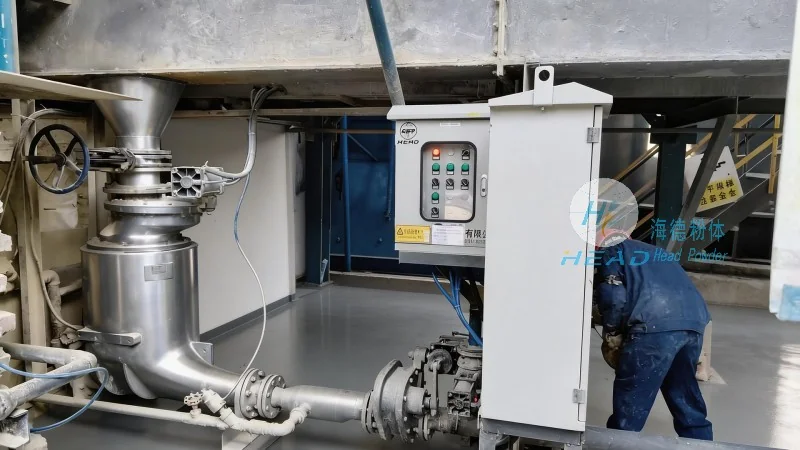
When deciding between positive and negative pressure pneumatic conveying for powdered stabilizers, several factors must be evaluated to ensure the best fit for the application. First, the material characteristics are critical. For example, abrasive or corrosive stabilizers may benefit from the higher pressure and air flow of positive pressure systems, while fine, non-abrasive powders may perform better with the gentle suction of negative pressure systems. Second, the conveying distance and layout of the system play a significant role. Positive pressure systems are generally more suitable for longer distances or complex layouts, as they can maintain consistent pressure and material flow over extended lengths. In contrast, negative pressure systems are better for shorter distances or when the material needs to be transported from a single point to a single collection point. Third, the environmental and safety considerations must be taken into account. Positive pressure systems may require additional filtration and dust control measures due to the higher air volume, while negative pressure systems can help to contain dust within the system, reducing the risk of airborne particles. Finally, the cost implications, including initial installation, ongoing maintenance, and energy consumption, should be weighed against the benefits of each system. By carefully assessing these factors, industrial operators can select the most appropriate pneumatic conveying system for their powdered stabilizer handling needs, ensuring optimal performance and efficiency.
Conclusion: Making an Informed Decision with HeadPowder Engineering
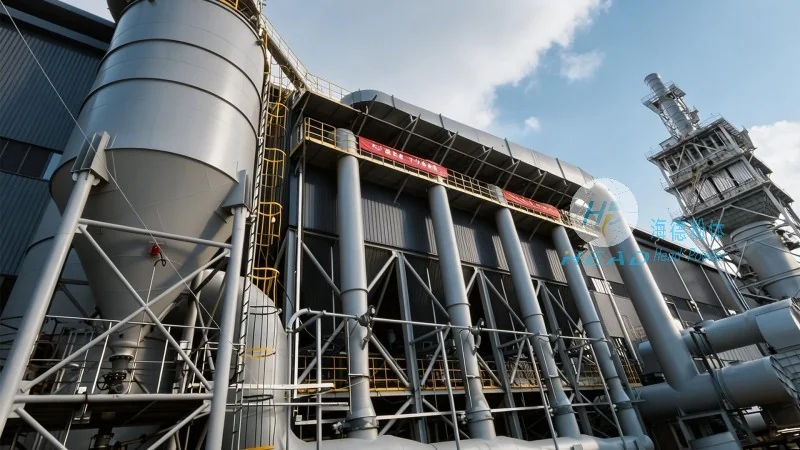
Choosing between positive and negative pressure pneumatic conveying for powdered stabilizers requires a thorough understanding of the material properties, application requirements, and operational constraints. Both systems have their unique advantages and limitations, and the best choice depends on the specific needs of the industrial process. Shandong HeadPowder Engineering Co., Ltd. specializes in providing customized material handling solutions tailored to the demands of various industries, including those dealing with powdered stabilizers. With years of experience and expertise in pneumatic conveying systems, HeadPowder offers comprehensive support, from system design and installation to maintenance and troubleshooting. By leveraging their knowledge and technology, industrial clients can optimize their material handling processes, improve efficiency, and ensure the reliable transport of powdered stabilizers. Whether you are considering a positive pressure or negative pressure system, HeadPowder Engineering is committed to helping you make the right choice for your application, ensuring that your material handling operations run smoothly and effectively.