

Pneumatic Conveying of Flake Graphite Powder: Choosing Between Positive and Negative Pressure System
Flake graphite powder, a key material in various industrial applications such as battery manufacturing, lubricants, and refractory materials, often requires efficient and reliable transportation methods. Pneumatic conveying is a widely adopted technique for handling such powders due to its ability to transport materials without mechanical contact, reducing contamination and wear. However, the choice between positive pressure and negative pressure systems can significantly impact operational efficiency, cost, and safety. This article explores the key considerations when selecting the appropriate pneumatic conveying system for flake graphite powder, focusing on the differences between positive and negative pressure approaches.
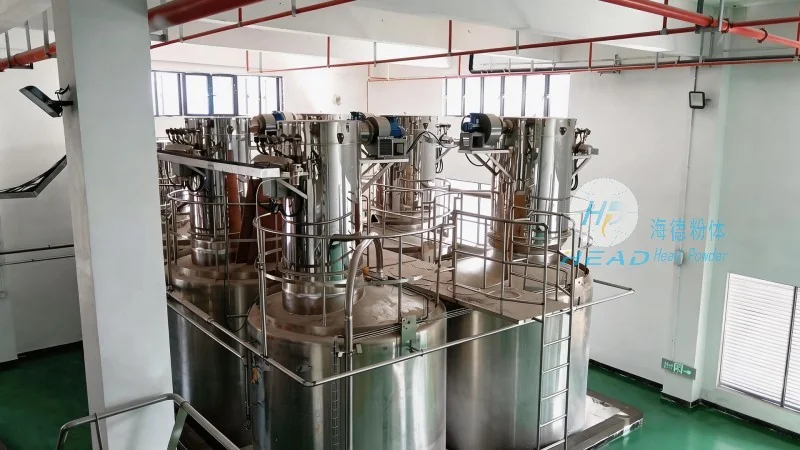
Understanding Positive Pressure Pneumatic Conveying
Positive pressure pneumatic conveying systems operate by generating air pressure inside the conveying line, which forces the material to move through the system. This method is particularly effective for transporting flake graphite powder over long distances or through complex network configurations. The primary advantages of positive pressure systems include higher conveying velocities, which can handle larger particle sizes and higher material loads. Additionally, positive pressure systems are generally more suitable for applications requiring high material throughput and consistent flow rates. For instance, in battery production facilities where large volumes of flake graphite are processed, positive pressure systems can maintain stable material transport, minimizing downtime and ensuring smooth production cycles.
Advantages and Limitations of Positive Pressure Systems
One of the main benefits of positive pressure conveying is its ability to handle abrasive materials like flake graphite without excessive wear on the system components. The high pressure and velocity help to maintain the material's integrity, reducing the risk of agglomeration or degradation. However, positive pressure systems may require more robust equipment, such as high-pressure blowers and stronger piping, which can increase initial investment costs. Moreover, these systems are more prone to pressure buildup, necessitating proper venting and safety measures to prevent accidents. In terms of maintenance, positive pressure systems may need more frequent inspections of the blower and line components due to the higher stress on the system.
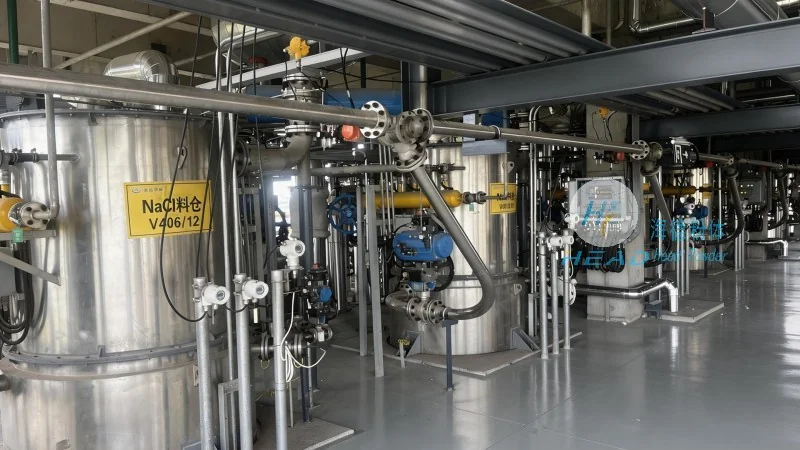
Exploring Negative Pressure Pneumatic Conveying
Negative pressure pneumatic conveying, also known as vacuum conveying, operates by creating a vacuum inside the conveying line, drawing the material from the source into the system. This method is ideal for applications where the material needs to be transported from a lower elevation or where the source is located in a confined space. Negative pressure systems are particularly effective for handling fine powders and materials that are sensitive to pressure changes, as they maintain a lower pressure environment that reduces the risk of material degradation. For flake graphite powder, negative pressure conveying can be advantageous in scenarios where the material is sourced from a hopper or storage bin and needs to be transported to a processing unit at a lower level.
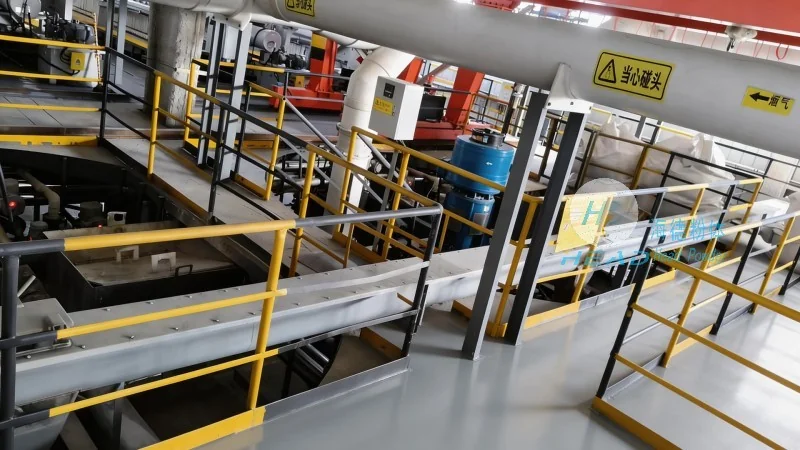
Advantages and Limitations of Negative Pressure Systems
One of the key advantages of negative pressure systems is their ability to handle fine or dusty materials without causing excessive dust emissions. The vacuum environment helps to contain particles, reducing the risk of airborne contamination and improving workplace safety. Additionally, negative pressure systems are generally more compact and can be installed in smaller spaces, making them suitable for facilities with limited floor area. However, negative pressure systems have lower conveying velocities compared to positive pressure systems, which may limit their ability to transport larger particle sizes or higher material loads. This can result in longer conveying times and potentially lower throughput for high-volume applications. Furthermore, negative pressure systems are more susceptible to clogging, especially with cohesive materials like flake graphite, which may require additional equipment such as rotary valves or air locks to prevent blockages.
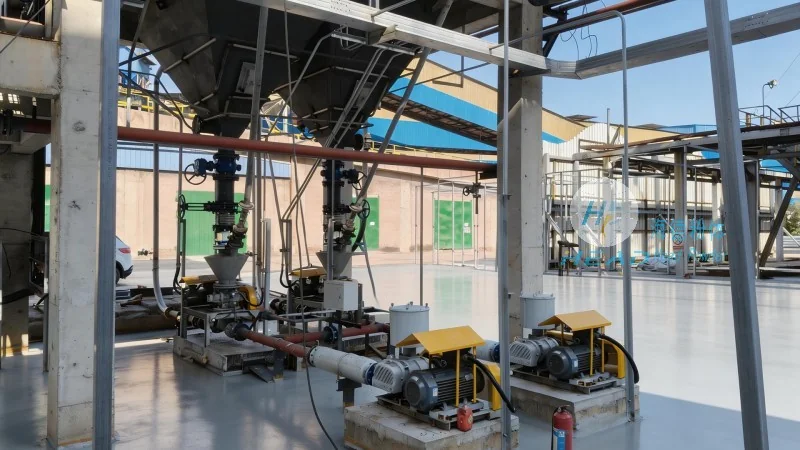
Distinguishing Between Positive and Negative Pressure Systems
When deciding between positive and negative pressure pneumatic conveying for flake graphite powder, several factors must be considered. The first is the distance and layout of the conveying system. Positive pressure systems are better suited for long-distance transport or complex network configurations, while negative pressure systems are more appropriate for short-distance or vertical transport. The material characteristics also play a crucial role; for example, if the flake graphite is abrasive or has high moisture content, positive pressure systems may be preferred due to their ability to handle such conditions. Conversely, if the material is fine and sensitive, negative pressure systems can provide a gentler transport method. Operational considerations, such as the required throughput and system maintenance, are also important. Positive pressure systems typically offer higher throughput and are easier to maintain for high-volume applications, whereas negative pressure systems may be more suitable for low-volume or batch processing. Finally, safety and environmental factors should be evaluated. Positive pressure systems may require more stringent safety measures due to high pressure, while negative pressure systems can help reduce dust emissions and improve air quality in the workplace.
Key Considerations for Selecting the Right System
Choosing the appropriate pneumatic conveying system for flake graphite powder involves a comprehensive evaluation of operational requirements, material properties, and cost implications. It is essential to consider the specific application, such as whether the material is being transported from a hopper to a mixer or from a processing unit to a storage area. The distance between the source and destination, the number of transfer points, and the overall system layout are critical factors that influence the choice between positive and negative pressure systems. Additionally, the desired material throughput and the acceptable level of maintenance are important considerations. For instance, if the facility requires high material flow rates and minimal downtime, a positive pressure system may be the better option. Conversely, if the application involves handling fine or sensitive materials in a confined space with limited floor area, a negative pressure system may be more suitable.