

Analysis of Stone Aggregate Pneumatic Conveying Technology: Comparison of Positive and Negative Pres
Stone aggregate pneumatic conveying technology has become a crucial method in the construction and material handling industries, offering efficient solutions for transporting bulk materials like stone aggregates. This article provides an in-depth analysis of the two primary modes—positive pressure and negative pressure systems—exploring their operational principles, advantages, and practical applications.
Understanding Pneumatic Conveying Systems for Stone Aggregates
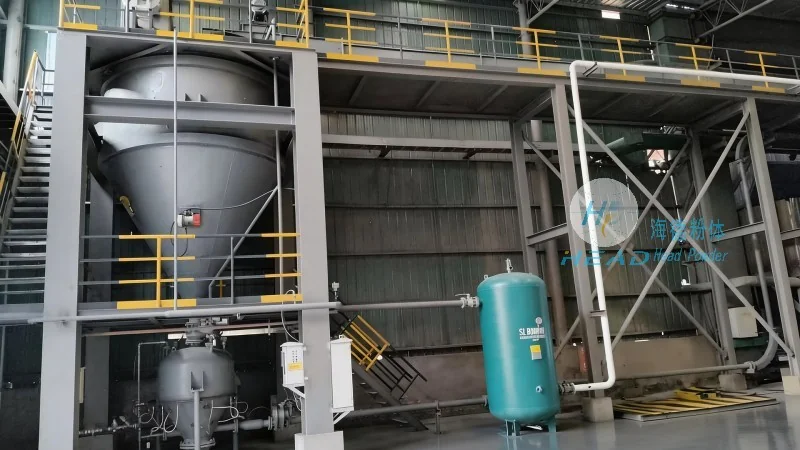
Pneumatic conveying systems utilize air to transport solid materials through a pipeline network. For stone aggregates, which are typically coarse and abrasive, the choice between positive and negative pressure modes significantly impacts system design, efficiency, and cost-effectiveness. Both systems rely on air flow to move material, but they differ in how the air pressure is managed within the pipeline.
Positive Pressure Pneumatic Conveying Systems
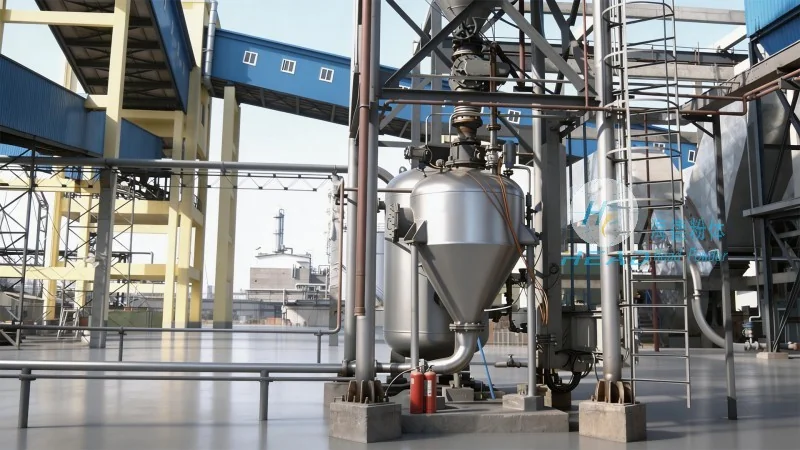
Positive pressure systems operate by blowing air into the conveying line, creating a pressure higher than the ambient air pressure. This mode is particularly effective for transporting stone aggregates over longer distances or through complex network configurations. The system uses a blower or compressor to generate the necessary air pressure, ensuring the material is pushed through the pipeline. A key advantage of positive pressure is its ability to handle abrasive materials without excessive wear on components, as the air flow is directed to push the material forward. However, this method may require more robust equipment and higher energy consumption compared to negative pressure systems, especially when dealing with high material loads or long distances.
Negative Pressure Pneumatic Conveying Systems
Negative pressure systems, also known as suction systems, operate by creating a vacuum in the conveying line, drawing material into the pipeline from the source. This mode is often preferred for shorter distances or when the material source is elevated, as it can efficiently pull aggregates from a hopper or storage area. The system uses a vacuum pump to create the pressure differential, allowing material to be drawn into the line. One of the main benefits of negative pressure is lower energy consumption and reduced equipment wear, as the material is pulled rather than pushed. However, negative pressure systems may struggle with abrasive materials or high material loads, as the vacuum can lead to increased wear on the suction side components and potential blockages if the material is too dense or sticky.
Key Differences and Practical Considerations
When selecting between positive and negative pressure systems for stone aggregate handling, several factors must be considered. The distance and layout of the conveying network are critical; positive pressure is generally more suitable for longer runs or complex layouts, while negative pressure is better for shorter, simpler systems. Material characteristics, such as particle size, density, and abrasiveness, also play a role. Coarse, abrasive aggregates may benefit from the higher pressure and robust design of positive pressure systems, whereas finer or less abrasive materials might perform well with negative pressure. Additionally, system cost and maintenance requirements differ: positive pressure systems often require more powerful blowers and higher maintenance, while negative pressure systems may need more frequent filter changes due to the suction of air and dust.
Applications and Industry Use Cases
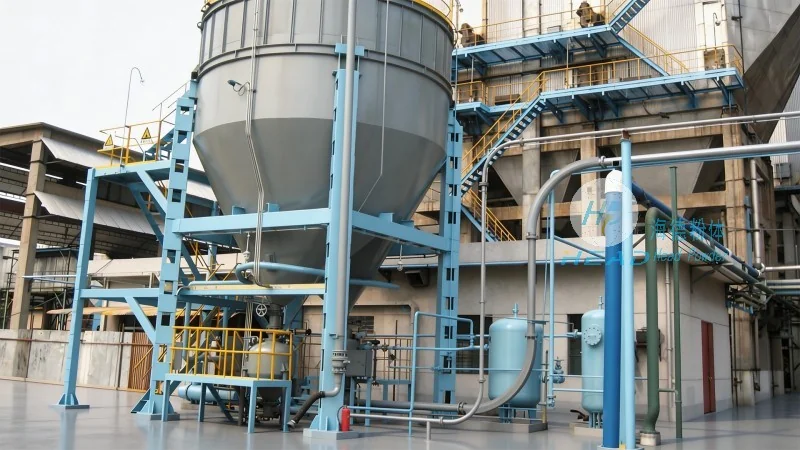
The choice of pneumatic conveying mode impacts various applications in the construction and material processing sectors. For example, in concrete production plants, positive pressure systems are commonly used to transport stone aggregates from storage silos to mixing stations over considerable distances, ensuring a steady supply of materials. In contrast, negative pressure systems may be employed in recycling facilities or smaller construction sites where the material source is close to the processing area, requiring less energy and simpler setup. Both systems are adaptable to different operational needs, but the decision ultimately hinges on balancing efficiency, cost, and material handling requirements.
About HeadPowder: Shandong HeadPowder Engineering Co., Ltd.
HeadPowder, a leading provider of pneumatic conveying solutions, specializes in designing and manufacturing systems tailored to the unique needs of stone aggregate handling. With operations based in Shandong, China, HeadPowder leverages years of industry experience to deliver reliable, efficient, and cost-effective pneumatic conveying systems. The company’s expertise in both positive and negative pressure technologies allows it to offer customized solutions that optimize material transport for various applications, ensuring clients achieve maximum productivity and minimal operational costs.