

Analysis of PP Pneumatic Conveying Technology: Comparison of Positive and Negative Pressure Modes
HeadPowder, officially known as Shandong HeadPowder Engineering Co., Ltd., is a professional engineering company based in Shandong, China. With a focus on advanced material handling solutions, the company specializes in the design, manufacturing, and implementation of pneumatic conveying systems, particularly for polypropylene (PP) and other plastic powders. HeadPowder's expertise lies in optimizing material transport efficiency while ensuring safety and reliability in industrial processes.
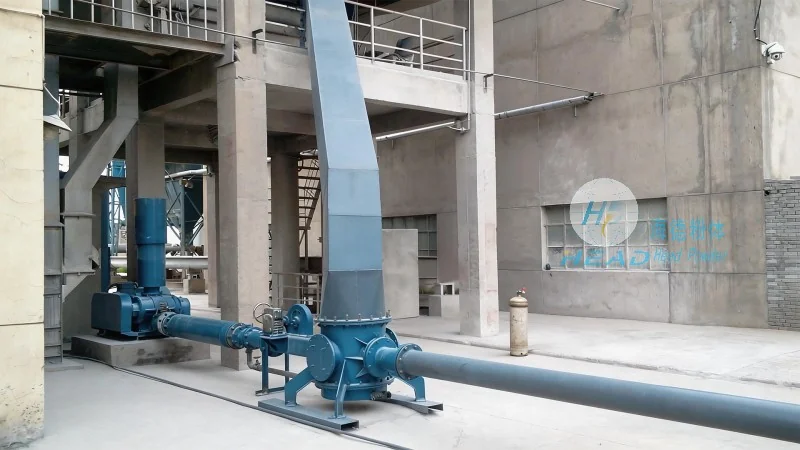
Pneumatic Conveying Fundamentals
Pneumatic conveying is a critical method for transporting bulk materials like polypropylene (PP) powder from one location to another within industrial facilities. This technology uses air or gas to move particles through a pipeline, offering advantages such as dust control, reduced labor costs, and the ability to handle materials in closed systems. Two primary modes of pneumatic conveying are widely used: positive pressure and negative pressure systems. Understanding the differences between these modes is essential for selecting the most suitable solution for specific applications.
Positive Pressure Pneumatic Conveying
Positive pressure systems operate by blowing air or gas into the conveying line, creating a pressure higher than the ambient air. This method propels the material forward through the pipeline. In the context of PP powder handling, positive pressure systems are often preferred for applications requiring long-distance transport or when the material needs to be delivered to elevated locations. The primary advantage of this mode is its ability to handle high volumes of material efficiently and maintain consistent flow rates. However, it may require more robust equipment and higher energy consumption compared to negative pressure systems. HeadPowder's engineering team designs positive pressure systems with advanced control mechanisms to optimize energy usage and ensure smooth operation.
Negative Pressure Pneumatic Conveying
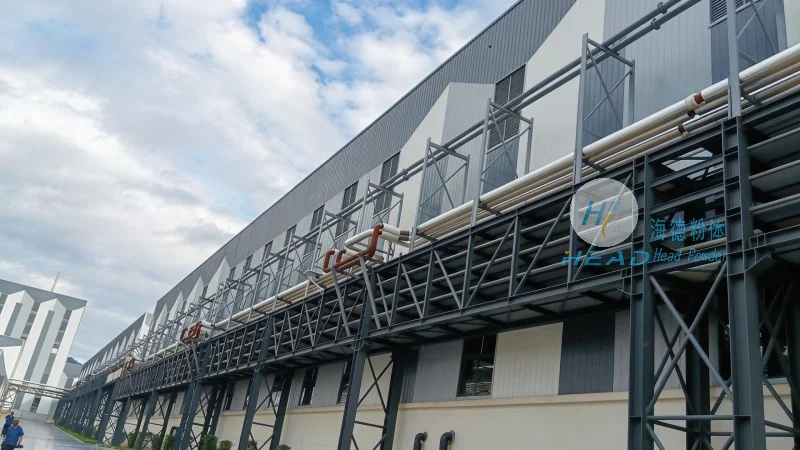
Negative pressure systems, also known as suction or vacuum systems, work by creating a vacuum in the conveying line, drawing material from the source. This mode is typically used for short-distance transport or when the material is to be collected from a hopper or silo. The key benefit of negative pressure is its lower energy consumption and reduced wear on equipment, as the system relies on suction rather than high-pressure air. For PP powder applications, negative pressure systems are suitable for handling materials with low dust generation and when the process requires a closed environment with minimal air leakage. HeadPowder's negative pressure solutions are engineered to maintain high suction efficiency while ensuring compliance with industrial safety standards.
Comparison: Positive vs. Negative Pressure Modes
When deciding between positive and negative pressure pneumatic conveying for PP powder, several factors must be considered. The primary differences lie in energy consumption, material handling capacity, and system complexity. Positive pressure systems generally consume more energy due to the need to generate high air pressure, but they can handle larger volumes and longer distances. Negative pressure systems are more energy-efficient and simpler to install, making them ideal for shorter transport routes or applications where material is already in a hopper. HeadPowder's technical experts provide comprehensive assessments to help clients choose the optimal mode based on their specific operational requirements, including material characteristics, distance, and budget constraints.
Real-World Applications in PP Processing
HeadPowder's pneumatic conveying systems are widely used in the polypropylene (PP) industry for various processes, including material transfer from storage silos to processing equipment, blending of different PP grades, and transport to packaging lines. For example, in a manufacturing plant, a positive pressure system might be used to move large quantities of PP powder from a storage silo to a extrusion line located several hundred meters away. Conversely, a negative pressure system could be employed to collect fine PP particles from a blending hopper and transport them to a filtration unit. The choice of mode depends on the plant layout, material properties, and production scale. HeadPowder's customized solutions ensure that each system is tailored to meet the unique needs of the client, maximizing efficiency and minimizing downtime.
Maintenance and Optimization Strategies
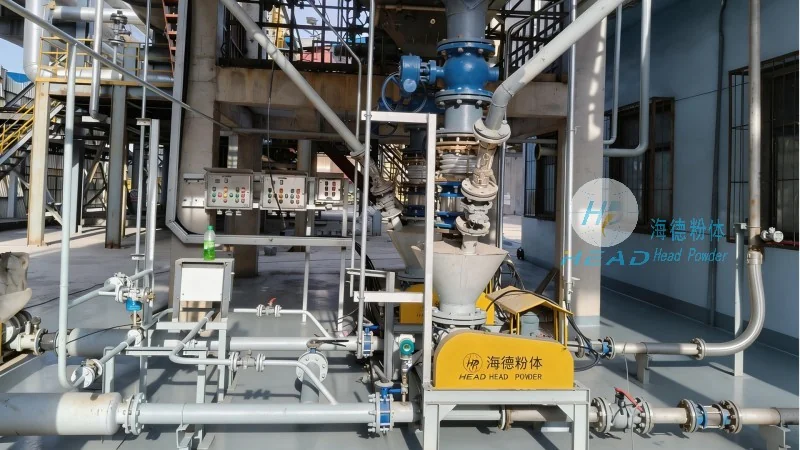
Proper maintenance is crucial for the longevity and performance of pneumatic conveying systems. Regular inspections of air filters, pipeline integrity, and material feed mechanisms are essential to prevent blockages and ensure consistent operation. HeadPowder offers maintenance services and technical support to help clients optimize their systems. Additionally, advanced control systems can be integrated to monitor pressure, flow rate, and material levels in real-time, allowing for immediate adjustments to maintain optimal performance. By implementing these strategies, companies can extend the lifespan of their equipment and reduce operational costs. HeadPowder's expertise in system optimization ensures that clients achieve the best possible results from their pneumatic conveying solutions.
Conclusion
Choosing the right pneumatic conveying mode—positive or negative—for polypropylene (PP) powder handling is a critical decision that impacts operational efficiency and cost. HeadPowder, with its deep understanding of material handling technologies, provides tailored solutions that balance performance, energy consumption, and safety. Whether a client requires a positive pressure system for long-distance transport or a negative pressure system for short-distance collection, HeadPowder's engineering team delivers reliable and efficient solutions. By leveraging their expertise and commitment to quality, HeadPowder helps industries in Shandong and beyond enhance their material handling processes and achieve their production goals.