

Choosing Between Positive Pressure and Negative Pressure for PFA Pneumatic Conveying: How to Differe
When it comes to handling PFA (Polytetrafluoroethylene-Alternating-Propylene) materials via pneumatic conveying systems, the choice between positive pressure and negative pressure methods is a critical decision that impacts operational efficiency, material integrity, and overall system performance. Understanding the nuances of each approach is essential for selecting the most suitable solution for specific industrial applications. This article explores the key differences between positive pressure and negative pressure pneumatic conveying for PFA, offering insights into how to make an informed choice based on operational requirements and material characteristics.
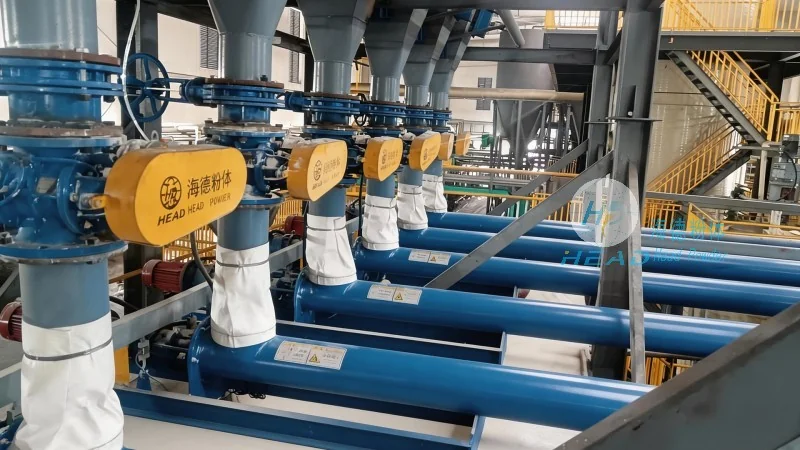
PFA Pneumatic Conveying Fundamentals
PFA is a fluoropolymer known for its excellent chemical resistance, thermal stability, and non-stick properties, making it widely used in high-purity applications such as semiconductor manufacturing, pharmaceuticals, and specialty chemicals. Pneumatic conveying is a method of transporting bulk materials through a pipeline using air or gas as the conveying medium. This technique offers advantages like reduced contamination, improved safety, and the ability to handle materials in a closed system. However, the choice of pressure type—positive or negative—significantly influences the system's design, energy consumption, and suitability for PFA handling.
Positive Pressure Pneumatic Conveying
Positive pressure systems operate by blowing air or gas into the conveying line, creating a pressure higher than the ambient environment. This method is often preferred for transporting PFA in applications where the material is sensitive to contamination or requires precise control over the conveying process. The primary advantage of positive pressure is its ability to handle materials with high moisture content or those that are prone to caking, as the high-pressure air helps maintain material flow and prevents blockages. Additionally, positive pressure systems are generally more suitable for long-distance conveying and can accommodate multiple transfer points without significant pressure loss.
From a practical standpoint, positive pressure systems typically use larger diameter pipes and higher air velocities to ensure efficient material transport. The increased pressure also allows for better control over the material's velocity and direction, which is crucial when handling PFA, a material that can be delicate and prone to degradation under high shear forces. For PFA applications, positive pressure is often recommended when the material is being transported from a storage silo to a processing unit, as it provides consistent flow and minimal risk of material degradation during transit.
Negative Pressure Pneumatic Conveying
Conversely, negative pressure systems draw material into the conveying line by creating a vacuum or lower pressure compared to the ambient environment. This approach is commonly used for applications where the material is light and free-flowing, or when the system needs to minimize dust emissions and prevent contamination from external sources. Negative pressure is particularly effective for handling PFA in environments where dust control is paramount, such as in cleanroom facilities or when transporting materials that are sensitive to air pollution.
One of the key benefits of negative pressure is its ability to reduce energy consumption compared to positive pressure systems, as it relies on the natural movement of air rather than forcing air through the system. However, negative pressure systems are generally less suitable for long-distance conveying or handling materials with high moisture content, as the vacuum can cause material to stick to the pipe walls or degrade over time. For PFA, negative pressure is often preferred when the material is being collected from a processing unit or when the system needs to maintain a clean, dust-free environment.
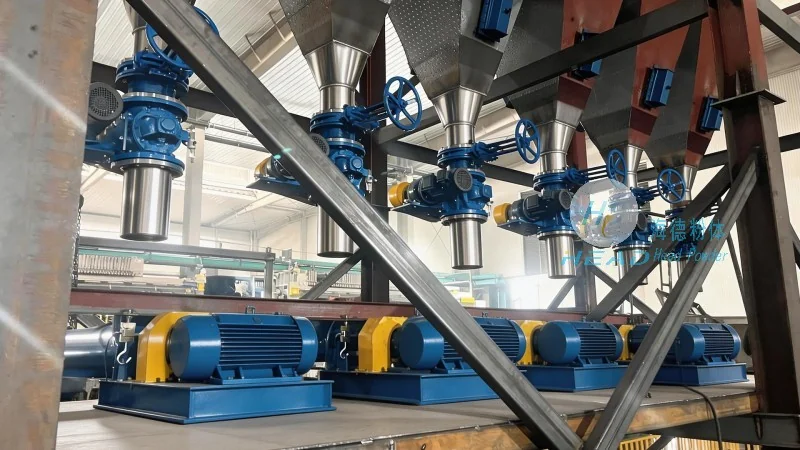
Distinguishing Between Positive and Negative Pressure Systems
The primary distinction between positive and negative pressure pneumatic conveying lies in the direction of air flow and the pressure differential within the system. Positive pressure systems push material through the pipeline using compressed air, while negative pressure systems pull material in using a vacuum. This fundamental difference impacts several key aspects of the system, including energy consumption, material handling capabilities, and environmental considerations.
Energy consumption is a critical factor when choosing between the two methods. Positive pressure systems require more energy to operate, as they need to generate and maintain higher air pressures. This can lead to higher operational costs, especially for large-scale PFA handling operations. In contrast, negative pressure systems are more energy-efficient, as they rely on the natural movement of air and do not require high-pressure air generation. However, negative pressure systems may require additional equipment, such as vacuum pumps, which can add to the overall system cost.
Material handling capabilities also differ between the two approaches. Positive pressure is better suited for handling materials with high moisture content, sticky or cohesive properties, or those that are prone to caking. The high-pressure air in positive pressure systems helps break up agglomerates and maintain consistent flow. Negative pressure, on the other hand, is more effective for handling light, free-flowing materials that are less likely to stick to the pipe walls. For PFA, which is typically a free-flowing, non-stick material, negative pressure may be preferred when the system needs to minimize dust emissions and maintain a clean environment.
Environmental considerations also play a role in the choice between positive and negative pressure. Positive pressure systems can generate more dust and particulate emissions, as the high-pressure air can cause material to break apart and release particles into the air. This can be a concern in applications where air quality is a priority, such as in pharmaceutical or semiconductor manufacturing. Negative pressure systems, by contrast, are more effective at containing dust and preventing contamination, as the vacuum draws material into the system and traps particles within the pipeline.
Factors to Consider When Choosing PFA Pneumatic Conveying
When deciding between positive and negative pressure pneumatic conveying for PFA, several factors must be considered to ensure the most effective and efficient system. The first factor is the material's physical properties, including its moisture content, particle size, and tendency to caking or agglomeration. PFA, being a non-stick and low-moisture material, may be better suited to negative pressure systems in applications where dust control is critical. However, if the PFA is being transported from a storage silo over long distances or through multiple transfer points, positive pressure may be more appropriate to maintain consistent flow and prevent blockages.
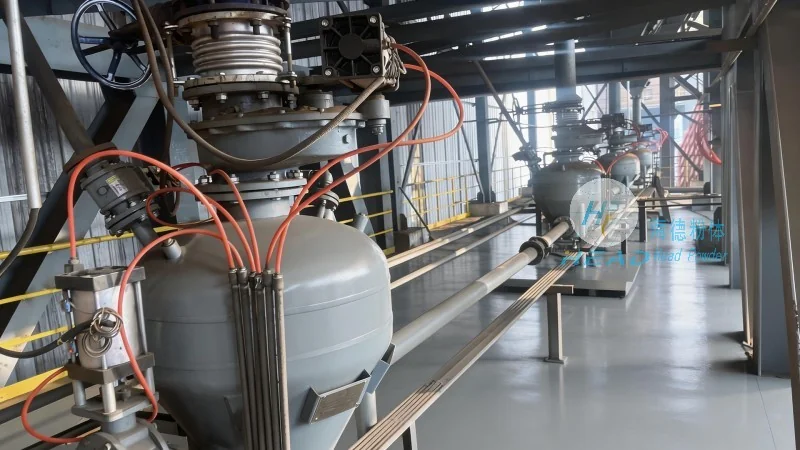
Another important factor is the system's operational requirements, such as the distance to be covered, the number of transfer points, and the required material flow rate. Positive pressure systems are generally more suitable for long-distance conveying and multiple transfer points, as they can maintain higher pressure and flow rates. Negative pressure systems, while more energy-efficient, may be limited in their ability to handle long distances or multiple transfers without significant pressure loss.
The environmental and safety considerations of the application also play a role. If the PFA is being handled in a cleanroom or a facility with strict dust control regulations, negative pressure may be the preferred choice to minimize contamination. Conversely, if the system is in an industrial environment where dust emissions are less of a concern, positive pressure may be more cost-effective and efficient.
Cost is another key factor to consider. Positive pressure systems typically require more equipment, such as high-pressure air compressors and larger diameter pipes, which can increase the initial investment. Negative pressure systems, while more energy-efficient, may require additional equipment like vacuum pumps, which can add to the overall cost. The long-term operational costs, including energy consumption and maintenance, should also be evaluated to determine the most cost-effective solution.
Conclusion
Choosing between positive and negative pressure pneumatic conveying for PFA is a decision that requires careful consideration of the material's properties, operational requirements, and environmental factors. Positive pressure systems offer advantages in handling materials with high moisture content or those prone to caking, while negative pressure systems excel in dust control and energy efficiency. By understanding the differences between the two approaches and evaluating the specific needs of the application, industrial facilities can select the most suitable pneumatic conveying system for their PFA handling requirements.
Shandong HeadPowder Engineering Co., Ltd., a leading provider of pneumatic conveying solutions, specializes in designing and manufacturing customized systems tailored to the unique needs of PFA applications. With years of experience in the industry, HeadPowder offers expert guidance and high-quality equipment to ensure efficient and reliable PFA handling. Whether you need a positive pressure or negative pressure system, HeadPowder can provide the solutions to meet your operational and material handling needs.