

Choosing Between Positive Pressure and Negative Pressure for Pneumatic Conveying of Desulfurization
When it comes to transporting desulfurization and denitrification agents, selecting the right pneumatic conveying system is crucial for efficiency, safety, and operational reliability. Two primary methods dominate the industry: positive pressure and negative pressure systems. Understanding the differences between these approaches is essential for making an informed decision that aligns with specific process requirements. This article, brought to you by Shandong HeadPowder Engineering Co., Ltd. (headpowder), explores the key distinctions between positive pressure and negative pressure pneumatic conveying, helping you determine which option best suits your needs.
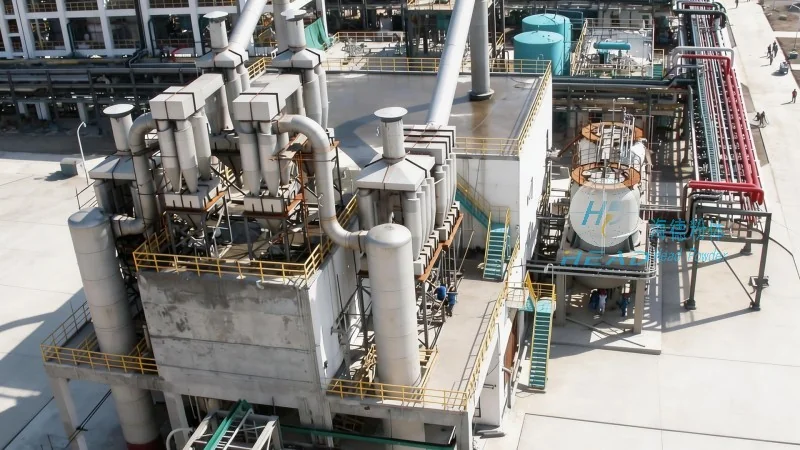
Understanding Positive Pressure Pneumatic Conveying
Positive pressure systems operate by blowing air or gas into the conveying line, creating a pressure higher than the ambient environment. This method pushes the material through the system, ensuring consistent flow and preventing material degradation. For desulfurization and denitrification agents, which often involve fine powders or sensitive chemicals, positive pressure can offer several advantages. The controlled pressure environment minimizes particle degradation, reduces dust emissions, and enhances material handling efficiency. Additionally, positive pressure systems are generally more suitable for long-distance conveying and complex system layouts, as they can maintain consistent pressure and flow rates over extended distances.
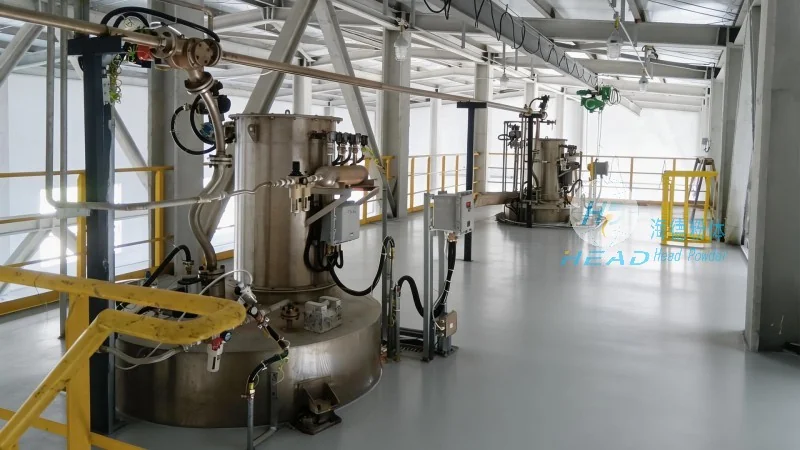
Key Features of Positive Pressure Conveying
Positive pressure systems typically feature a blower or compressor that generates the necessary pressure to move material. The conveying line is sealed, preventing air leakage and maintaining the pressure differential. This design is ideal for applications where material is being transported from a central storage area to multiple processing points, as the system can distribute material to several destinations without losing pressure. The sealed environment also helps in controlling dust and fume emissions, which is critical for compliance with environmental regulations in the desulfurization and denitrification industries. Furthermore, positive pressure systems are often more energy-efficient for long-distance conveying, as they can maintain a stable pressure without frequent adjustments.
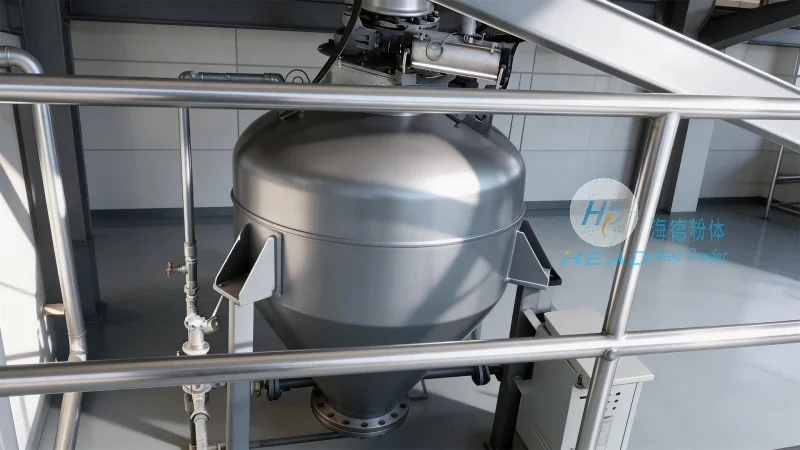
Understanding Negative Pressure Pneumatic Conveying
Negative pressure systems, also known as vacuum systems, work by creating a vacuum in the conveying line, drawing material from the source into the system. This method relies on suction to move the material, making it particularly suitable for applications where material needs to be collected from multiple points or where the source is at a higher elevation than the destination. For desulfurization and denitrification agents, negative pressure systems are often preferred when dealing with dusty or hazardous materials, as the sealed line prevents contamination and exposure to the environment. The vacuum environment also helps in controlling dust and preventing material spillage, which is important for maintaining safety and regulatory compliance.
Key Features of Negative Pressure Conveying
Negative pressure systems use a vacuum pump to create the suction force required for material transport. The conveying line is typically open at the source, allowing material to be drawn into the system. This design is ideal for applications where material is being collected from a hopper, silo, or multiple collection points, as the system can efficiently gather material from various sources. The vacuum environment also helps in reducing the risk of material degradation, as the material is not exposed to high-pressure air streams. However, negative pressure systems may have limitations in terms of conveying distance and material capacity, as the vacuum can weaken over longer distances, potentially affecting flow rates.
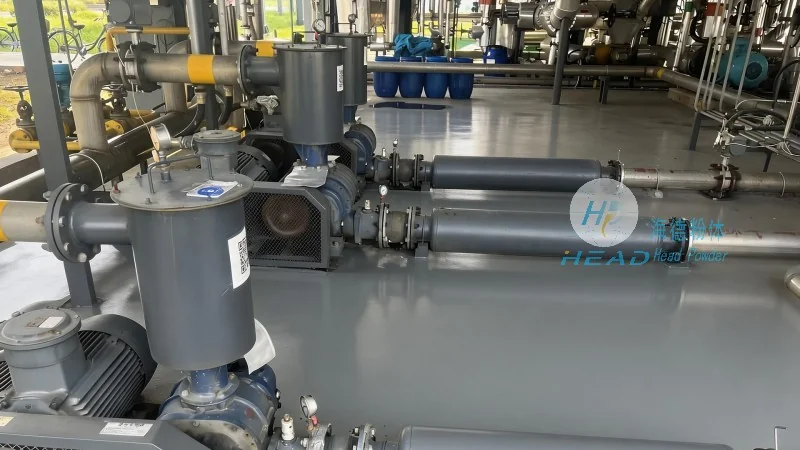
Distinguishing Between Positive and Negative Pressure Systems
Choosing between positive and negative pressure pneumatic conveying for desulfurization and denitrification agents depends on several factors, including material properties, system layout, and operational requirements. Here are the key factors to consider when making a decision: