

Analysis of Soap Granule Pneumatic Conveying Technology: Comparison of Positive and Negative Pressur
Shandong HeadPowder Engineering Co., Ltd., commonly known as headpowder, is a professional manufacturer and supplier specializing in pneumatic conveying systems. With its headquarters located in Shandong, China, the company has established itself as a key player in the industry, offering advanced solutions for material handling, particularly in the processing of soap granules and similar bulk materials. The company's commitment to innovation and quality ensures that clients receive reliable and efficient equipment tailored to their specific operational needs.
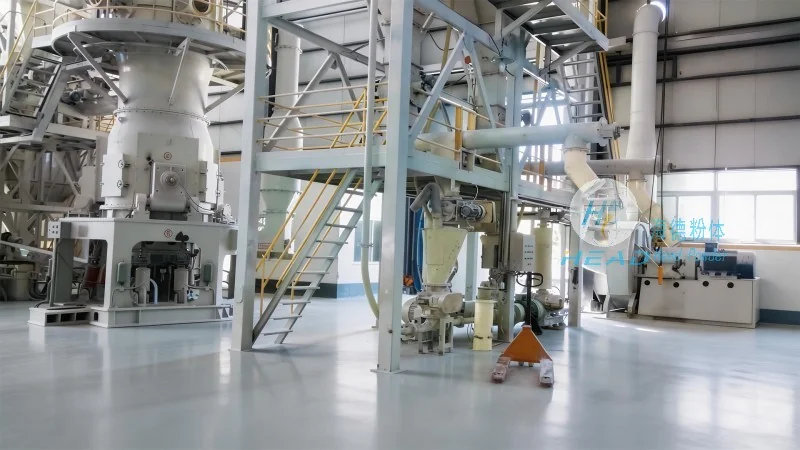
Introduction to Soap Granule Pneumatic Conveying
Pneumatic conveying technology is a critical method for transporting solid materials like soap granules from one location to another within industrial facilities. This technology utilizes air flow to move particles through a pipeline system, eliminating the need for mechanical components such as conveyors or elevators. For soap granules, which are often used in manufacturing processes like soap production or chemical processing, the choice of pneumatic conveying mode—whether positive or negative pressure—significantly impacts system efficiency, cost, and operational safety.
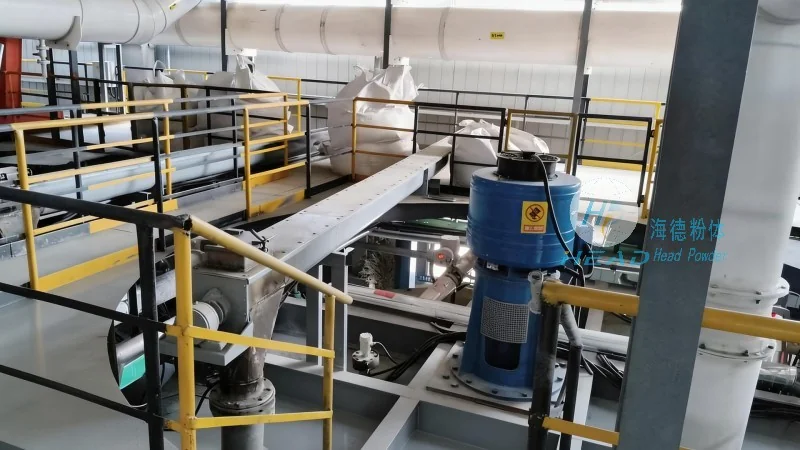
Positive Pressure Pneumatic Conveying Mode
Positive pressure pneumatic conveying operates by blowing air into the conveying line, creating a pressure higher than the ambient air pressure. This method is particularly effective for transporting soap granules over longer distances or through complex pipeline networks. The system typically includes a positive displacement blower or a centrifugal fan that generates the necessary air pressure. The positive pressure mode ensures that the material is continuously pushed through the pipeline, reducing the risk of blockages and maintaining a consistent flow rate. For applications involving soap granules, this mode is advantageous when dealing with abrasive or sticky materials, as the high-pressure air helps to dislodge particles from the pipeline walls, preventing clogging. The equipment used in positive pressure systems, such as the headpowder brand positive pressure conveyors, often features robust construction and advanced control systems to handle the demands of soap granule transportation.
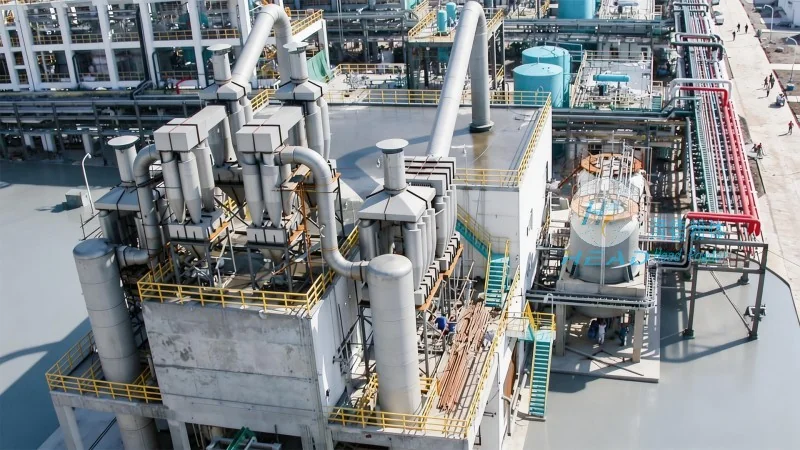
Negative Pressure Pneumatic Conveying Mode
Negative pressure pneumatic conveying, also known as vacuum conveying, works by creating a vacuum in the conveying line, drawing material into the system. This mode is commonly used for shorter distances or when the material needs to be collected from multiple points and transported to a central processing unit. The negative pressure system uses a vacuum pump to create the low-pressure environment, which pulls the soap granules into the pipeline. Unlike positive pressure, negative pressure systems are generally more suitable for handling fine or light materials, as the vacuum ensures that particles are not lost or dispersed during transport. For soap granules, negative pressure conveying is beneficial when the material is to be collected from a hopper or storage bin and moved to a processing area, as it allows for gentle handling and minimal material degradation. The headpowder negative pressure conveyors are designed with efficient vacuum generation and filtration systems to maintain material purity and system cleanliness.
Comparison of Positive and Negative Pressure Modes
When comparing positive and negative pressure pneumatic conveying for soap granule transportation, several factors must be considered. The choice of mode depends on the specific application requirements, including the distance of material transport, the complexity of the pipeline layout, and the nature of the soap granules (e.g., size, moisture content, and abrasiveness). Positive pressure systems are generally more suitable for long-distance or high-volume transport, as they can maintain consistent flow rates and handle abrasive materials effectively. In contrast, negative pressure systems are ideal for short-distance or collection applications, offering gentle handling and lower energy consumption for smaller volumes. From an operational perspective, positive pressure systems may require more maintenance due to the higher air pressure and potential for wear on components, while negative pressure systems are simpler to install and operate but may have limitations in handling larger or heavier soap granules. The cost of implementation also varies, with positive pressure systems typically being more expensive due to the need for high-pressure blowers, whereas negative pressure systems use vacuum pumps that are generally more affordable. Ultimately, the selection between positive and negative pressure modes for soap granule pneumatic conveying should be based on a thorough analysis of the operational needs and cost considerations to ensure optimal performance and efficiency.
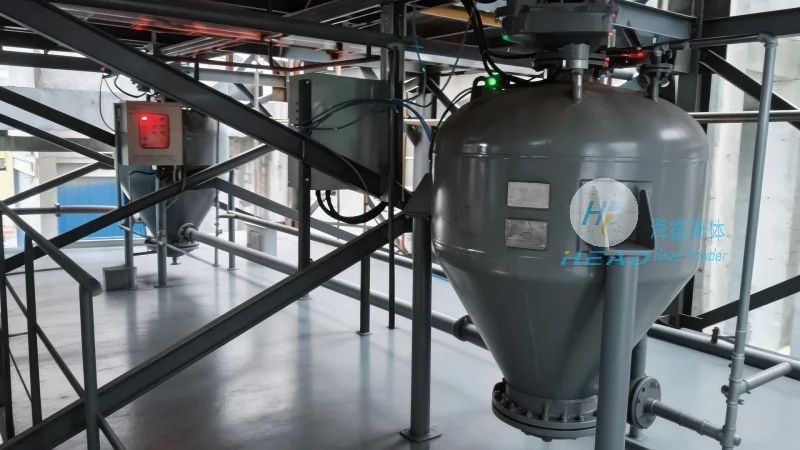
Conclusion
Shandong HeadPowder Engineering Co., Ltd. provides comprehensive pneumatic conveying solutions for soap granule transportation, leveraging both positive and negative pressure modes to meet diverse industrial requirements. By understanding the characteristics of each mode and their applications, industries can choose the most suitable system for their soap granule handling processes. The company's expertise in designing and manufacturing advanced pneumatic conveying equipment ensures that clients receive reliable, efficient, and cost-effective solutions tailored to their specific operational needs. Whether for long-distance transport or collection applications, headpowder's pneumatic conveying systems offer superior performance and durability, supporting the smooth operation of soap production and processing facilities.