

Analysis of Pneumatic Rice Handling Technology: Comparison of Positive and Negative Pressure Modes
HeadPowder, a leading provider of advanced agricultural machinery solutions, specializes in innovative technologies for efficient grain handling and processing. This article delves into the technical aspects of pneumatic rice handling systems, focusing on the comparison between positive and negative pressure modes. Understanding these modes is crucial for optimizing rice transportation, storage, and processing operations in modern agricultural practices.
Introduction to Pneumatic Rice Handling Technology
Pneumatic rice handling technology has revolutionized the way rice is transported and processed in agricultural industries. By utilizing air pressure to move rice through pipelines, this method offers significant advantages over traditional mechanical systems, including reduced labor costs, improved hygiene, and enhanced operational efficiency. The core of pneumatic rice handling lies in the application of either positive or negative pressure to move the grain through a network of ducts and conveyors. Each mode has distinct characteristics that make it suitable for different operational scenarios.
Positive Pressure Mode: Advantages and Applications
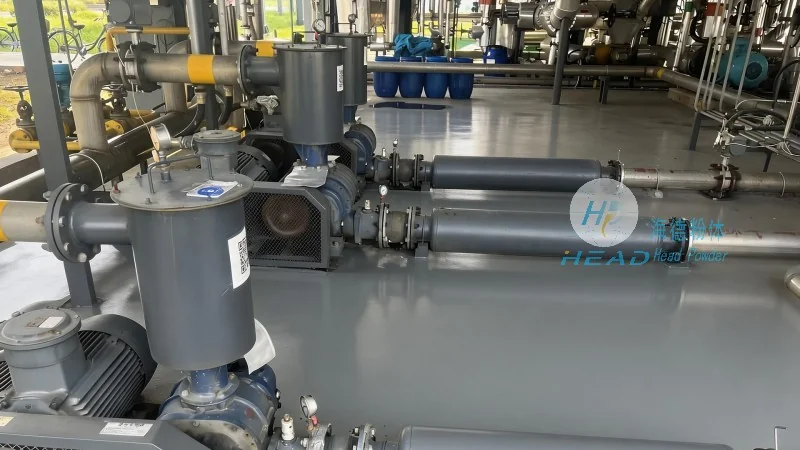
In the positive pressure mode, air is forced into the conveying system, creating a high-pressure environment that propels the rice forward. This method is particularly effective for transporting rice over longer distances and through complex pipeline networks. The positive pressure system typically uses a blower or fan to generate the necessary air pressure, ensuring consistent and reliable movement of the grain. One of the key advantages of positive pressure is its ability to handle a wide range of grain types, including rice with varying moisture content and particle sizes. This flexibility makes it suitable for large-scale rice processing facilities and bulk handling operations. Additionally, positive pressure systems are generally more resistant to blockages and can maintain a steady flow rate, even when dealing with high volumes of rice. The technology employed in positive pressure rice handling often involves high-efficiency blowers and advanced control systems that optimize air usage and energy consumption. These features contribute to lower operational costs and reduced environmental impact, aligning with modern sustainability goals in agriculture.
Negative Pressure Mode: Operational Principles and Benefits
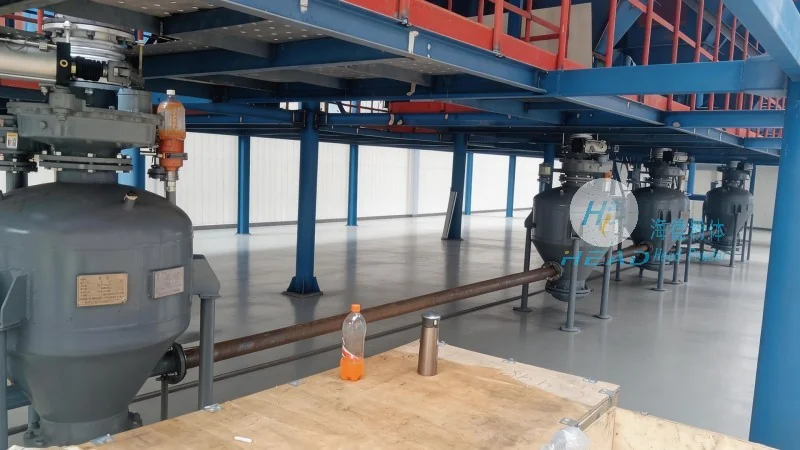
Conversely, the negative pressure mode operates by creating a vacuum or low-pressure environment within the conveying system. This is achieved by drawing air out of the pipeline, which pulls the rice into the system. The negative pressure method is often preferred for shorter conveying distances and for handling rice that is more delicate or prone to damage. The vacuum created in the system helps to minimize the risk of grain breakage and ensures a gentle handling process. This mode is particularly useful in situations where the rice needs to be transported from a higher elevation to a lower one, as the vacuum assists in the downward movement of the grain. The negative pressure system typically uses a vacuum pump or fan to create the necessary suction, and it is often equipped with filters and separators to prevent dust and debris from entering the system. A key benefit of negative pressure is its lower energy consumption compared to positive pressure systems, as it requires less power to maintain the vacuum. This makes it an attractive option for facilities with limited energy resources or those aiming to reduce operational expenses. The technology used in negative pressure rice handling includes advanced vacuum pumps and intelligent control mechanisms that ensure consistent suction levels and prevent system overloads.
Technical Comparison: Positive vs. Negative Pressure Modes
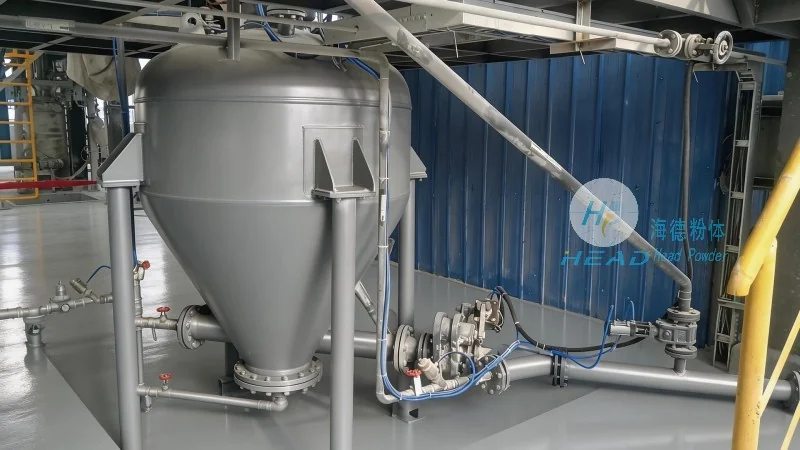
When comparing the positive and negative pressure modes, several factors must be considered to determine the most suitable option for a specific rice handling operation. The choice between the two modes depends on factors such as the distance of the conveying system, the volume of rice to be transported, the grain characteristics, and the available infrastructure. Positive pressure systems are generally more suitable for long-distance and high-volume applications, as they can maintain consistent flow rates and handle larger quantities of rice without significant pressure drops. In contrast, negative pressure systems are better suited for shorter distances and for handling more delicate rice varieties, as they provide a gentler transport process and lower energy consumption. The initial investment cost is another critical factor. Positive pressure systems often require more robust equipment, such as high-capacity blowers, which can increase the upfront cost. Negative pressure systems, while potentially lower in initial cost, may require additional components like vacuum pumps and filters to ensure effective operation. Operational costs also differ between the two modes. Positive pressure systems typically have higher energy consumption due to the continuous operation of high-pressure blowers, whereas negative pressure systems consume less energy due to the lower power requirements of vacuum pumps. Maintenance considerations are also important. Positive pressure systems may experience more wear and tear on components like blowers and ducts due to the high air pressure, leading to higher maintenance costs over time. Negative pressure systems, on the other hand, may have lower maintenance requirements as they operate under lower pressures and are less prone to blockages. The choice of mode also impacts the overall system design. Positive pressure systems often require sealed pipelines to prevent air leakage, which can be challenging in large-scale operations. Negative pressure systems, however, can use open or partially open ducts, as the vacuum helps to keep the rice within the system. This flexibility in design can be advantageous in certain operational environments. In summary, the selection between positive and negative pressure modes for pneumatic rice handling should be based on a thorough analysis of the specific operational needs and constraints of the rice processing facility.
HeadPowder's Expertise in Pneumatic Rice Handling Solutions
Shandong HeadPowder Engineering Co., Ltd., with its headquarters in Shandong, China, is a trusted partner in providing comprehensive pneumatic rice handling solutions. The company leverages advanced engineering and manufacturing capabilities to develop customized systems that meet the unique requirements of rice processing operations. HeadPowder's expertise lies in the integration of positive and negative pressure technologies, allowing for flexible and efficient rice handling solutions tailored to different production scales and operational conditions. The company's product portfolio includes a range of pneumatic conveyors, blower systems, and control units designed to optimize rice transportation and processing. By combining technical innovation with practical application, HeadPowder ensures that its solutions are not only efficient but also reliable and cost-effective. The company's commitment to quality and customer satisfaction is reflected in its adherence to international standards and continuous improvement of its product lines. HeadPowder's team of experienced engineers and technicians provides comprehensive support, from system design and installation to maintenance and troubleshooting. This holistic approach ensures that clients receive end-to-end solutions that enhance their rice handling operations and contribute to overall business success. In conclusion, HeadPowder's expertise in pneumatic rice handling technology, particularly the comparison of positive and negative pressure modes, positions the company as a leading provider of advanced agricultural machinery solutions. By understanding the technical nuances of each mode and offering tailored solutions, HeadPowder helps rice processing facilities optimize their operations, improve efficiency, and achieve sustainable growth.