

Analysis of Bulk Material Pneumatic Conveying Technology: Comparison of Positive and Negative Pressu
Understanding the nuances of pneumatic conveying systems is crucial for industries dealing with bulk materials. The choice between positive and negative pressure modes significantly impacts operational efficiency, material handling, and system reliability. This analysis delves into the technical aspects of both approaches, highlighting their distinct characteristics and practical applications.
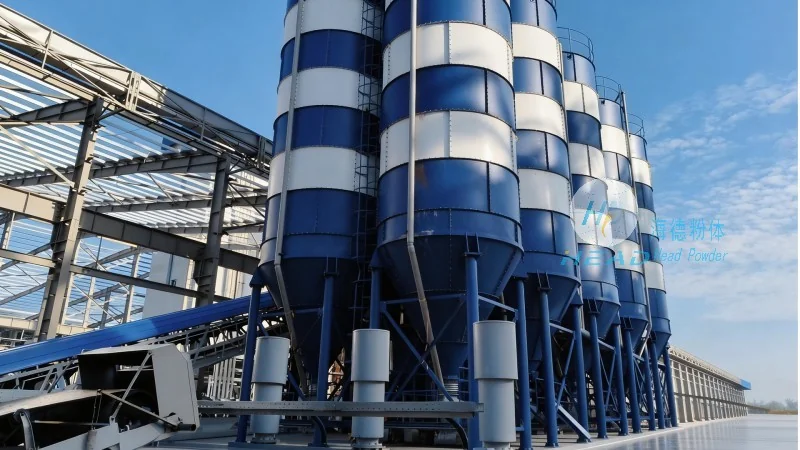
Introduction to Pneumatic Conveying Systems
Pneumatic conveying is a method of transporting bulk materials through a pipeline using air or gas as the conveying medium. It offers advantages such as dust control, reduced material degradation, and the ability to handle a wide range of materials, from powders to granules. The two primary modes of operation are positive pressure and negative pressure systems, each with unique design considerations and operational requirements.
Positive Pressure Pneumatic Conveying
Positive pressure systems operate by blowing air or gas into the conveying line, creating a pressure higher than the ambient environment. This mode is commonly used for short to medium distance transport and is particularly effective for materials that are abrasive or prone to caking. The system typically includes a blower or compressor at the inlet, which supplies the necessary air pressure to move the material. A key advantage of positive pressure is its ability to handle high material loads and maintain consistent flow rates, making it suitable for applications requiring high throughput. However, it may require more robust equipment and higher energy consumption compared to negative pressure systems.
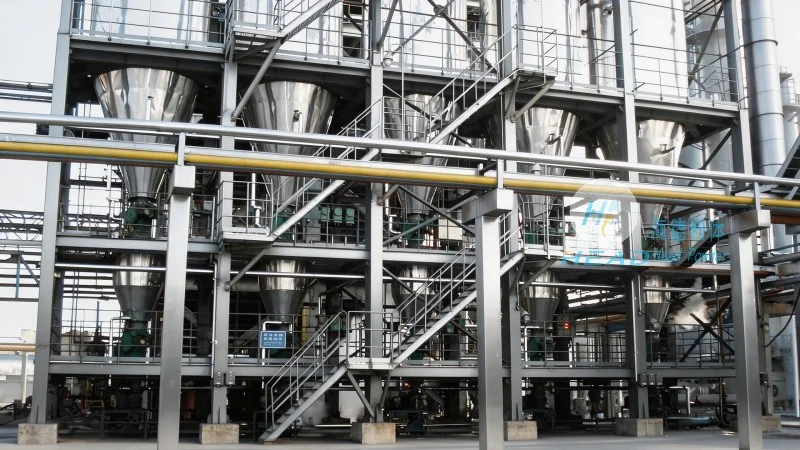
Negative Pressure Pneumatic Conveying
Negative pressure systems, also known as vacuum or suction systems, operate by creating a vacuum in the conveying line, drawing material from the source into the system. This mode is ideal for applications where the material is to be collected from multiple points or for long-distance transport. The system uses a vacuum pump at the outlet to create the suction force, which pulls the material through the pipeline. Negative pressure systems are generally more energy-efficient for long distances and can handle materials that are more sensitive to pressure changes. However, they may have limitations in handling highly abrasive or sticky materials due to the lower air velocity and potential for material buildup in the line.
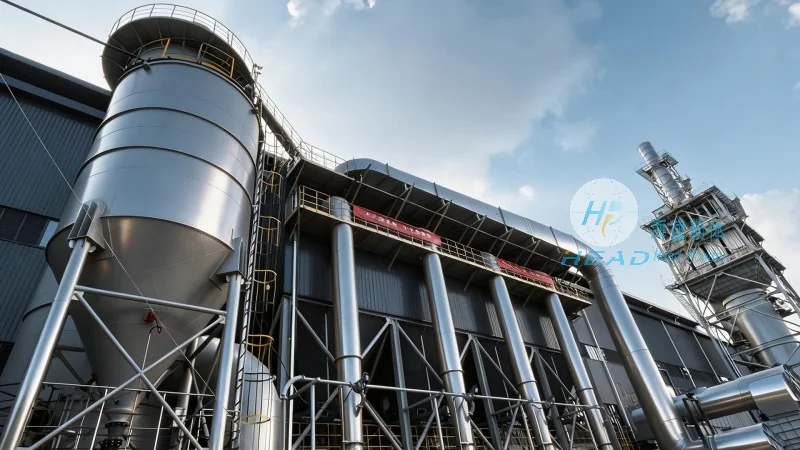
Key Differences and Performance Metrics
When comparing positive and negative pressure modes, several factors come into play, including material characteristics, system distance, and operational constraints. Positive pressure systems excel in high-volume, short-distance applications, while negative pressure is better suited for long-distance or multi-point collection scenarios. The energy consumption of positive pressure systems is typically higher due to the need to maintain higher air pressure, whereas negative pressure systems may require more maintenance for the vacuum pump and filtration systems. Additionally, the design of the conveying line, including pipe diameter and material of construction, must be optimized for each mode to ensure efficient material transport and prevent system blockages.
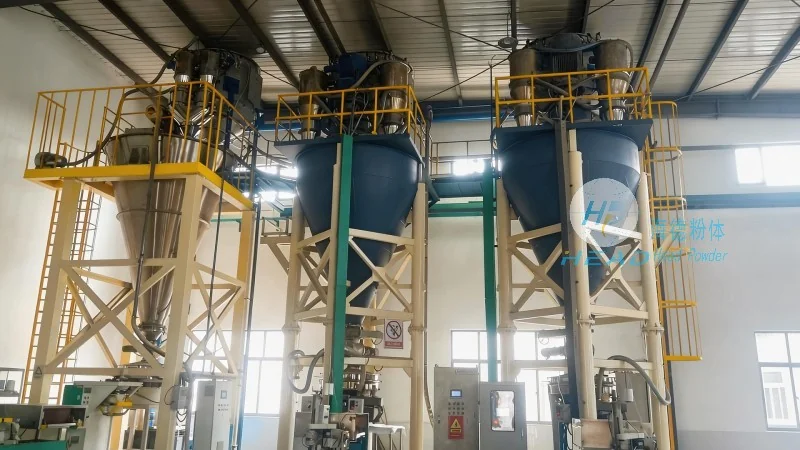
Application Scenarios and Practical Considerations
The choice between positive and negative pressure pneumatic conveying depends on specific operational needs. For example, in the food and pharmaceutical industries, where material purity and contamination control are critical, negative pressure systems may be preferred due to their ability to minimize dust exposure and maintain a sterile environment. In contrast, in the cement or mining industries, where high material throughput and durability are paramount, positive pressure systems are often the better choice. Companies like Shandong HeadPowder Engineering Co., Ltd. specialize in designing and manufacturing customized pneumatic conveying solutions tailored to these diverse requirements, ensuring optimal performance and reliability for their clients.
Conclusion
Both positive and negative pressure pneumatic conveying technologies offer effective solutions for bulk material transport, each with its own set of advantages and limitations. By understanding the technical differences and performance metrics, industries can select the most appropriate system for their specific applications. As a leading provider in the field, Shandong HeadPowder Engineering Co., Ltd. leverages its expertise to deliver innovative and efficient pneumatic conveying systems that meet the evolving needs of modern material handling operations.