

Alkali Gas-Pneumatic Conveying Technology Analysis: Comparison of Positive and Negative Pressure Mod
Gas-pneumatic conveying is a critical method for transporting bulk materials such as caustic soda (sodium hydroxide) in industrial environments. This technology utilizes air or other gases to move powders or granules through a pipeline system, offering a safe and efficient means of material transfer. The process is widely adopted due to its ability to handle hazardous or sensitive materials, ensuring minimal exposure to the environment and maintaining material integrity. In this analysis, we will delve into the two primary modes of gas-pneumatic conveying—positive pressure and negative pressure systems—and compare their applications, benefits, and limitations.
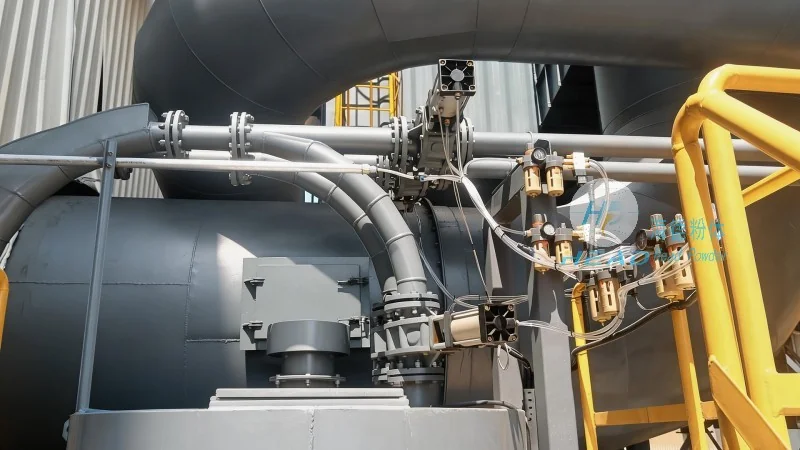
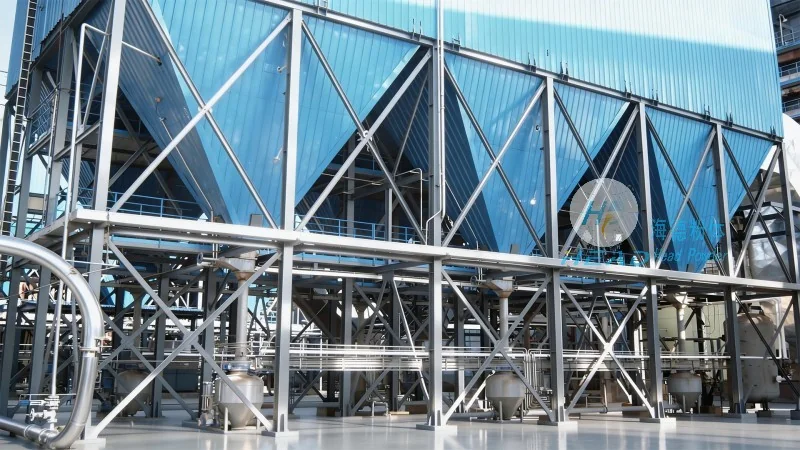
Understanding Positive Pressure Gas-Pneumatic Conveying
Positive pressure gas-pneumatic conveying operates by generating high-pressure air or gas at the material source. The system forces the material through the pipeline using a blower or compressor, which supplies compressed air. This mode is particularly effective for transporting materials over long distances or through complex piping networks. The high pressure ensures continuous material movement, reducing the risk of blockages or degradation. For caustic soda, a highly corrosive and reactive substance, positive pressure systems are often preferred as they minimize environmental exposure and enhance safety during transport.
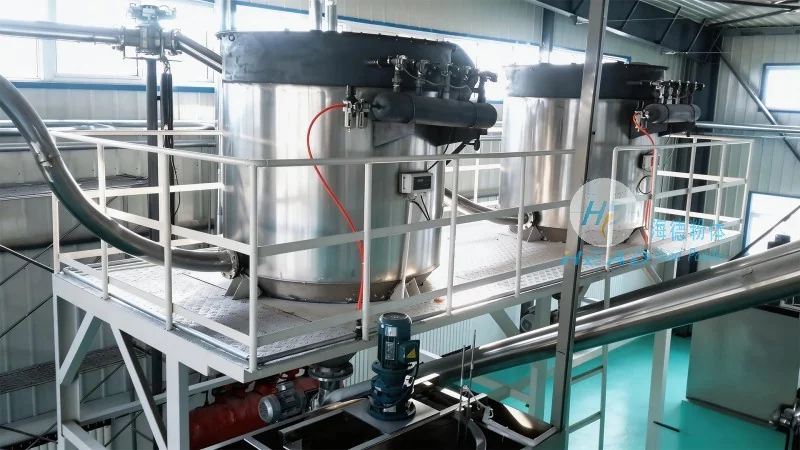
Key Features of Positive Pressure Systems
Positive pressure systems are characterized by their ability to handle a wide range of material properties, including fine powders and abrasive substances. The high air velocity maintains the material in a suspended state, preventing caking or agglomeration. Additionally, these systems can operate at higher flow rates, making them suitable for high-volume caustic soda transport. The design typically includes a hopper or silo at the source, where the material is fed into the pipeline via a rotary valve or feeder. Compressed air then propels the material through the pipeline to the destination, such as a storage tank or processing unit. This method is ideal for applications requiring consistent and continuous material flow, such as in chemical manufacturing plants.
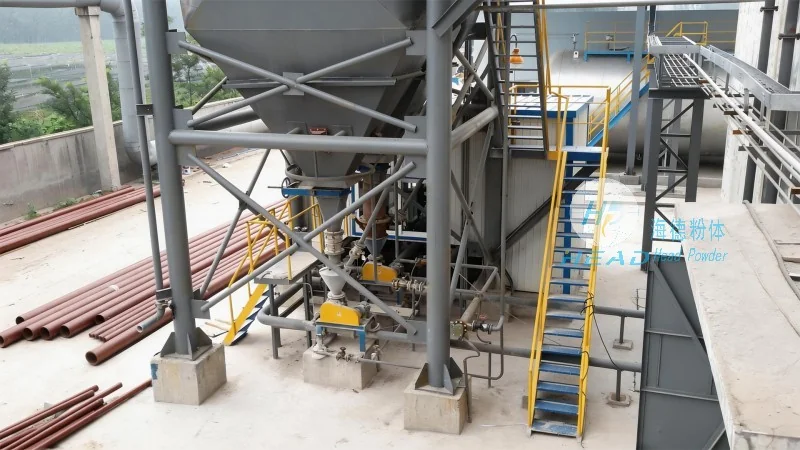
Advantages of Positive Pressure Gas-Pneumatic Conveying
One primary advantage of positive pressure systems is their ability to handle long-distance transport with minimal pressure loss. The high initial pressure ensures the material reaches the destination without significant reduction in velocity or flow rate, which is crucial for caustic soda to avoid degradation. Another advantage is reduced material contamination, as the system is enclosed and sealed, preventing external particles or moisture from entering the pipeline. Positive pressure conveyors also offer precise control over material velocity and flow rate, critical for industries where caustic soda is used in chemical reactions or as a cleaning agent, where consistency is paramount.