

[XIAMI PNEUMATIC CONVEYING TECHNOLOGY ANALYSIS: COMPARISON OF POSITIVE PRESSURE AND NEGATIVE PRESSUR
HeadPowder, a leading provider of pneumatic conveying solutions, specializes in advanced technologies tailored for diverse industrial applications. This article delves into the core principles of positive pressure and negative pressure pneumatic conveying systems, offering a comprehensive comparison to help industries select the most suitable method for their material handling needs.
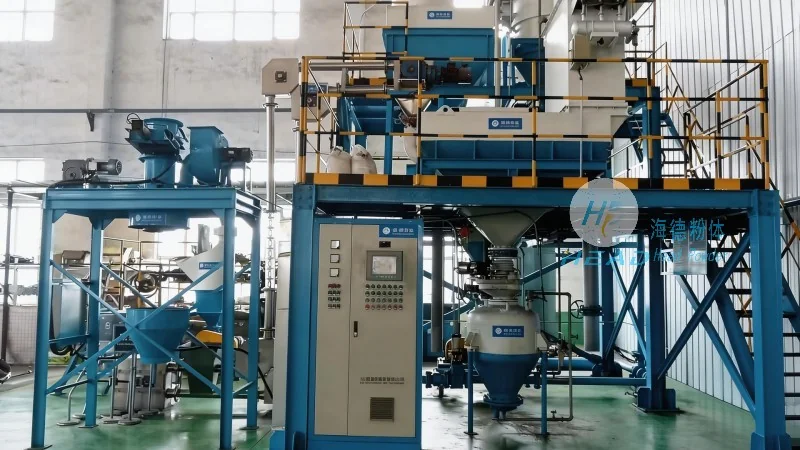
Introduction to Pneumatic Conveying Systems
Pneumatic conveying is a critical technology in material handling, enabling the transport of bulk materials through a pipeline using air or gas as the medium. The two primary modes—positive pressure and negative pressure—differ fundamentally in how they generate the necessary pressure differential to move materials. Understanding these differences is essential for optimizing efficiency, cost, and safety in industrial operations.
Positive Pressure Pneumatic Conveying
Positive pressure systems operate by blowing air or gas into the conveying line, creating a pressure higher than the ambient air pressure. This method is particularly effective for transporting materials over long distances or through complex network systems. The high-pressure air forces the material to move through the pipeline, ensuring consistent flow and minimal material degradation. HeadPowder's expertise in positive pressure technology includes the design of robust blowers, efficient pipeline networks, and specialized nozzles that minimize pressure losses and maximize material throughput.
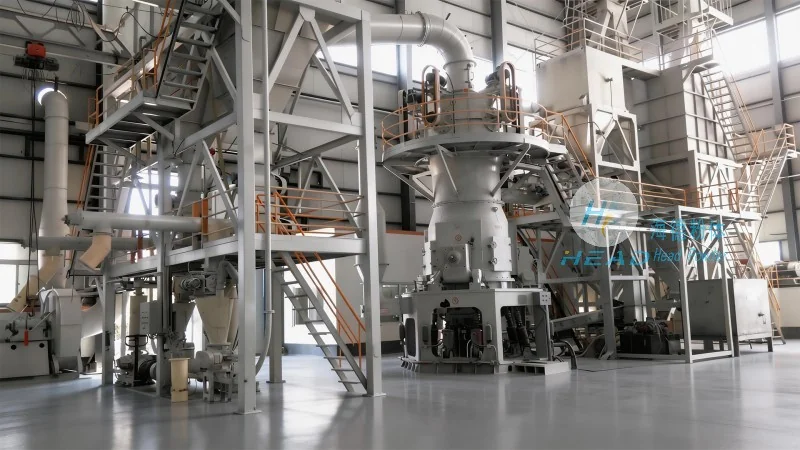
Negative Pressure Pneumatic Conveying
Negative pressure systems, also known as vacuum conveying, work by creating a vacuum in the conveying line, which draws material from the source into the system. This approach is ideal for handling fine powders and granules, as it reduces dust generation and provides a gentle handling process. The vacuum is typically generated by a vacuum pump, and the system is designed to maintain a pressure lower than the surrounding environment, ensuring the material is drawn efficiently without clogging or degradation.
Key Differences Between Positive and Negative Pressure Systems
Several critical factors distinguish positive pressure from negative pressure pneumatic conveying. First, the pressure differential: positive pressure uses excess pressure, while negative pressure relies on vacuum. This impacts the system's energy consumption and operational costs. Positive pressure systems generally require higher energy input due to the need to generate and maintain higher pressures, whereas negative pressure systems consume less power but may have limitations in material size and moisture content. Second, material handling capabilities: positive pressure is better suited for abrasive or heavy materials, as the high pressure ensures reliable transport. Negative pressure excels with fine powders, as the gentle vacuum reduces particle breakage and dust dispersion. Third, system complexity and maintenance: positive pressure systems often involve more complex blower systems and require regular checks for pressure leaks, while negative pressure systems may need robust vacuum pumps and filtration to prevent contamination. HeadPowder's engineering team considers these factors when customizing systems for specific applications, ensuring optimal performance and longevity.
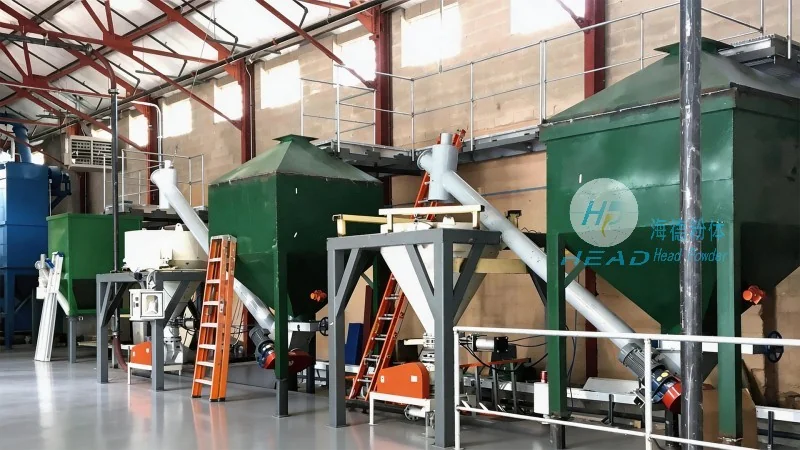
Applications and Industry Use Cases
The choice between positive and negative pressure pneumatic conveying depends on the material properties, process requirements, and operational environment. Positive pressure systems are commonly used in industries such as cement, chemicals, and food processing for transporting bulk materials over long distances. For example, in cement production, positive pressure conveying is used to move raw materials from storage silos to the kiln, ensuring continuous and efficient operation. In the chemical industry, it facilitates the transport of reactive powders, where maintaining a controlled environment is crucial. Negative pressure systems are preferred in pharmaceutical, pharmaceutical, and food industries where dust control and material purity are paramount. They are used to handle fine powders like pharmaceuticals or food additives, where contamination risks are high. HeadPowder has successfully implemented both systems in various industries, adapting designs to meet specific regulatory and operational standards.
Advantages and Limitations of Each Mode
Positive pressure systems offer several advantages, including high material throughput, ability to handle abrasive or heavy materials, and suitability for long-distance transport. However, they have limitations, such as higher energy consumption, potential for dust emissions if not properly sealed, and the need for robust equipment to withstand high pressures. Negative pressure systems excel in dust control and gentle material handling, making them ideal for sensitive applications. Their limitations include lower material capacity compared to positive pressure, potential for clogging with wet or sticky materials, and higher maintenance for vacuum pumps and filtration systems. HeadPowder addresses these limitations through innovative design, such as using advanced filtration systems in negative pressure applications and implementing energy-efficient blowers in positive pressure setups, ensuring that both systems deliver optimal performance while minimizing drawbacks.
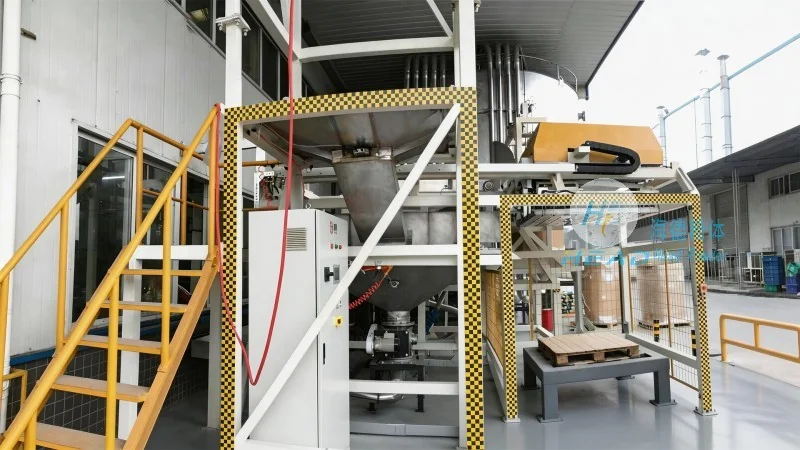
HeadPowder's Expertise in Pneumatic Conveying
Shandong HeadPowder Engineering Co., Ltd., based in China, is a trusted partner for industries seeking reliable pneumatic conveying solutions. With years of experience, HeadPowder combines technical expertise with customer-centric approaches to deliver customized systems that meet specific operational needs. The company's team of engineers and technicians work closely with clients to assess material characteristics, process requirements, and site conditions, ensuring that the selected pneumatic conveying mode is the most appropriate for the application. HeadPowder's commitment to quality and innovation is reflected in its use of advanced materials, efficient design, and rigorous testing protocols, which guarantee the longevity and efficiency of its systems. By focusing on both positive and negative pressure technologies, HeadPowder provides comprehensive solutions that enhance productivity, reduce costs, and improve safety in material handling operations.
Conclusion
In conclusion, the choice between positive pressure and negative pressure pneumatic conveying systems is a critical decision for industries handling bulk materials. Positive pressure offers high throughput and robustness for demanding applications, while negative pressure excels in dust control and gentle handling for sensitive materials. HeadPowder's expertise in both technologies, combined with its commitment to customization and quality, makes it an ideal partner for businesses seeking efficient and reliable material transport solutions. By understanding the unique advantages and limitations of each mode, industries can optimize their operations, reduce costs, and enhance overall productivity in their material handling processes.