

Analysis of Rare Earth Pneumatic Conveying Technology: Comparison of Positive and Negative Pressure
Rare earth materials are critical components in modern industrial applications, including electronics, renewable energy, and advanced manufacturing. The efficient and safe transportation of these materials is essential for maintaining production efficiency and ensuring product quality. Pneumatic conveying technology offers a reliable solution for handling rare earth powders and granules, with two primary modes: positive pressure and negative pressure. This article provides a detailed analysis of these modes, highlighting their operational principles, advantages, and practical applications.
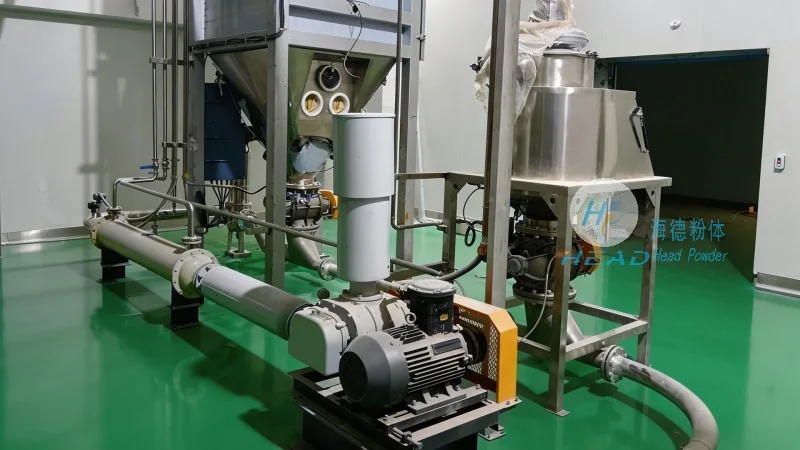
Positive Pressure Mode in Rare Earth Material Handling
Positive pressure pneumatic conveying, also known as pressure conveying, operates by blowing air or gas into the conveying line under pressure. This method is particularly effective for transporting rare earth materials over long distances or through complex system configurations. The system typically includes a blower, a hopper for material storage, a feeder to control the flow rate, and a conveying line that transports the material to the destination. The pressure differential between the conveying line and the ambient environment ensures that the material is continuously moved forward. One of the key advantages of positive pressure mode is its ability to handle abrasive or sticky rare earth powders without causing excessive wear on the system components. Additionally, this mode is suitable for applications where the material needs to be delivered to multiple points or integrated into a larger production line.
Negative Pressure Mode in Rare Earth Material Handling
Negative pressure pneumatic conveying, or vacuum conveying, works by creating a vacuum in the conveying line, which draws the material from the source into the system. This method is often preferred for short-distance or low-volume rare earth material transport, especially when the material is sensitive to pressure changes or when the system needs to be enclosed to prevent dust emissions. The vacuum system typically consists of a vacuum pump, a hopper, a feeder, and a filter to capture any airborne particles. The negative pressure ensures that the material is drawn into the conveying line without the need for high-pressure air, reducing energy consumption and system complexity. However, negative pressure mode may not be suitable for transporting highly abrasive or large particles, as the vacuum can cause material degradation or blockages in the system.
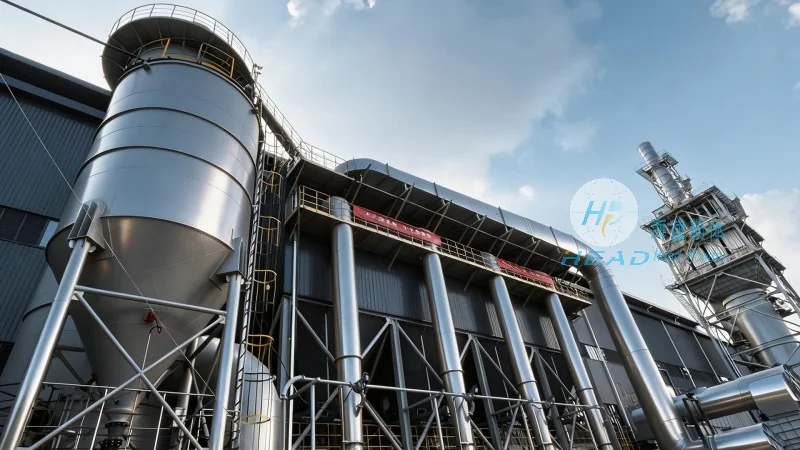
Comparison of Positive and Negative Pressure Modes
When comparing positive and negative pressure modes for rare earth pneumatic conveying, several factors must be considered. Positive pressure systems generally offer higher conveying capacities and are more suitable for long-distance or high-volume applications. They are also more robust and can handle a wider range of material characteristics, including moisture content and particle size. In contrast, negative pressure systems are more energy-efficient for short-distance transport and are better suited for applications where dust control is a priority. The choice between the two modes depends on the specific requirements of the rare earth material handling process, including the distance between the source and destination, the volume of material to be transported, and the environmental regulations governing dust emissions.
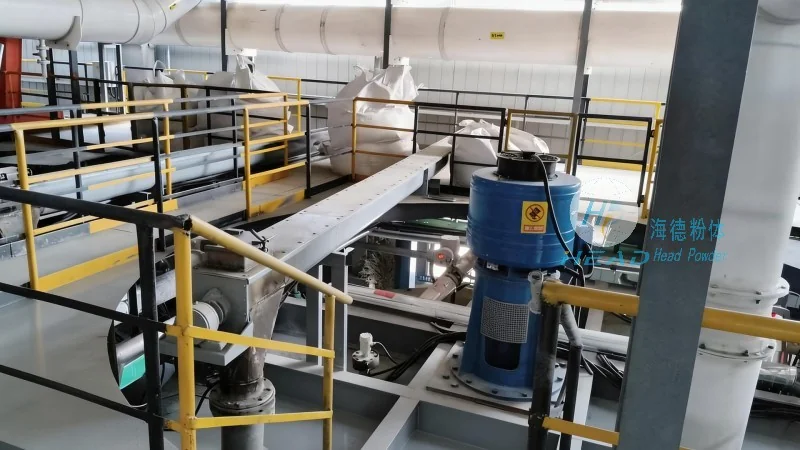
Application Scenarios and Practical Considerations for Rare Earth Pneumatic Conveying
Practical applications of rare earth pneumatic conveying vary based on the mode selected. For example, in a rare earth processing plant, positive pressure mode may be used to transport raw materials from storage silos to the grinding and classification units, while negative pressure mode could be employed to transfer finished products to packaging areas. The selection of the appropriate mode also depends on the material's physical properties, such as its density, flowability, and tendency to agglomerate. Additionally, the system design must account for factors like pressure drop, air velocity, and filter efficiency to ensure optimal performance and minimize maintenance costs. Regular maintenance, including cleaning of filters and checking for wear on components, is essential to maintain the efficiency and reliability of the pneumatic conveying system.
Company Profile: Shandong HeadPowder Engineering Co., Ltd.
Shandong HeadPowder Engineering Co., Ltd., operating under the brand name headpowder, specializes in the design, manufacturing, and installation of pneumatic conveying systems for various industrial applications. With a focus on rare earth material handling, the company provides customized solutions tailored to the specific needs of its clients. Headpowder's expertise lies in integrating advanced technology with practical engineering to deliver efficient and cost-effective conveying systems. The company's facilities are located in Shandong, China, where it leverages local resources and expertise to support its operations. By adhering to industry standards and employing skilled professionals, headpowder ensures that its pneumatic conveying systems meet the highest quality and safety requirements for handling rare earth materials.