

Analysis of Coal and Sand Pneumatic Conveying Technology: Comparison of Positive and Negative Pressu
HeadPowder, a leading engineering company based in Shandong, China, specializes in advanced pneumatic conveying solutions for handling bulk materials like coal and sand. This article provides an in-depth analysis of the two primary modes of pneumatic conveying—positive pressure and negative pressure systems—exploring their operational principles, advantages, and practical applications.
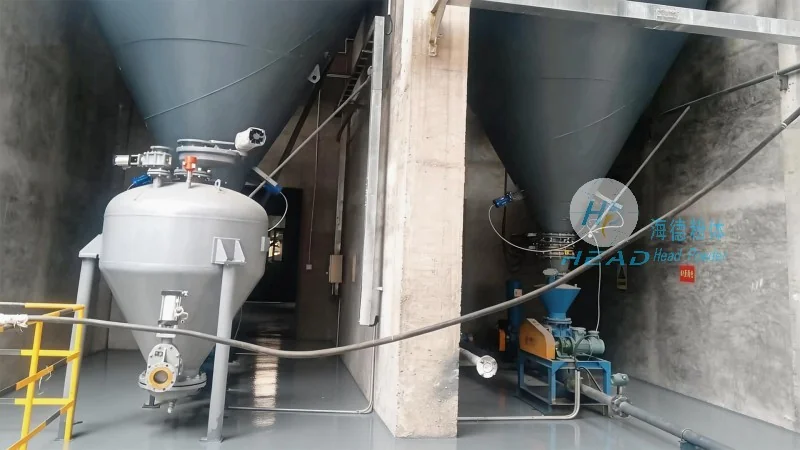
Introduction to Pneumatic Conveying Systems
Pneumatic conveying is a method used to transport bulk materials through a pipeline using air or gas as the conveying medium. It is widely adopted in industries such as mining, construction, and chemical processing due to its efficiency and flexibility. The choice between positive and negative pressure systems depends on various factors, including material characteristics, system layout, and operational requirements.
Positive Pressure Pneumatic Conveying
Positive pressure systems operate by blowing air or gas into the conveying line, creating a pressure higher than the ambient air pressure. This mode is particularly effective for transporting materials that are prone to dust, have high moisture content, or are abrasive. The high-pressure air forces the material through the pipeline, ensuring consistent flow and preventing material buildup. A key advantage of positive pressure systems is their ability to handle materials with high solids loading ratios, making them suitable for long-distance and high-capacity applications. However, they require robust equipment to withstand the higher pressures and may generate more noise and air pollution compared to negative pressure systems.
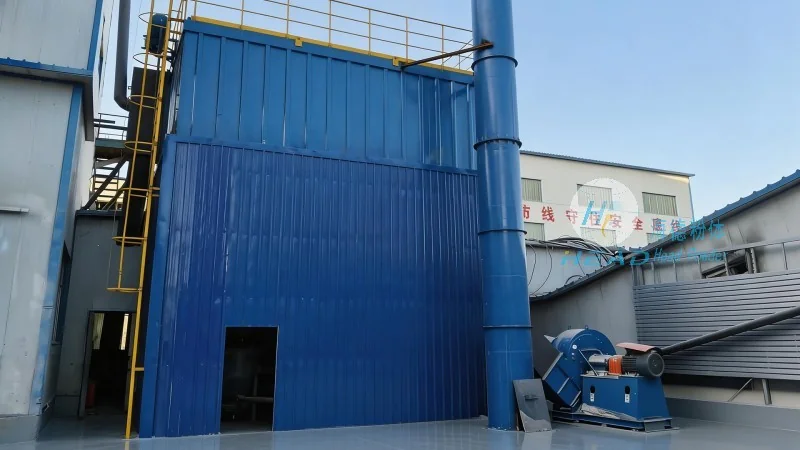
Negative Pressure Pneumatic Conveying
Negative pressure systems, also known as vacuum conveying, work by creating a vacuum in the conveying line, drawing material into the pipeline from the source. This mode is ideal for handling fine powders and granular materials that are sensitive to air exposure or require gentle handling. The vacuum pulls the material through the line, minimizing particle degradation and ensuring a clean transfer process. Negative pressure systems are often preferred for short to medium-distance applications and for materials that are prone to caking or agglomeration. They typically produce less noise and air pollution but may have limitations in handling highly abrasive or dense materials due to the lower pressure differentials.
Key Differences Between Positive and Negative Pressure Modes
When comparing positive and negative pressure pneumatic conveying systems, several critical factors emerge. Positive pressure systems excel in high-capacity, long-distance transport and are better suited for materials with high dust generation or moisture content. They offer greater control over material flow and can handle a wider range of particle sizes. In contrast, negative pressure systems are more suitable for delicate materials and shorter distances, providing a cleaner and gentler transfer process. The choice between the two modes also depends on the system's layout, with positive pressure systems often requiring more complex piping and higher energy consumption due to the need for high-pressure blowers.
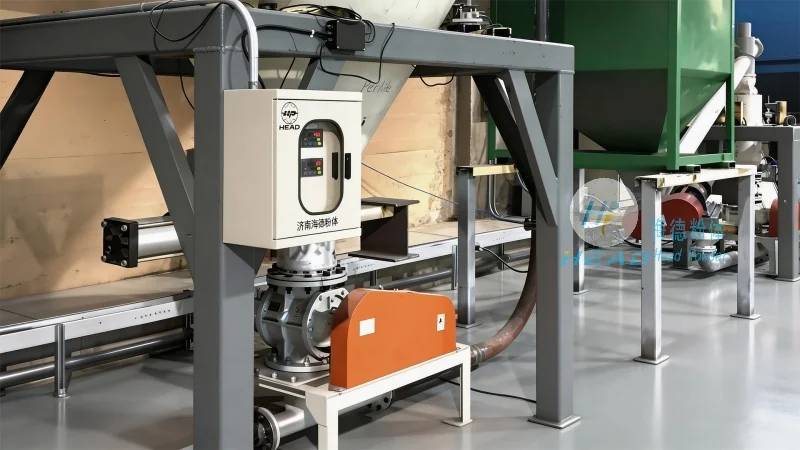
Applications in Coal and Sand Handling
For coal and sand applications, the selection of a pneumatic conveying mode is influenced by the material's physical properties and the operational environment. Coal, being a bulk material with varying moisture and dust content, can be effectively handled using positive pressure systems, especially when long-distance transport is required. The high pressure ensures that the material moves efficiently through the pipeline without clogging. Sand, often used in construction and industrial processes, benefits from both modes but may be better suited to negative pressure systems in applications where the material is fine and requires gentle handling to prevent degradation. The choice ultimately depends on the specific project requirements, including distance, material characteristics, and operational constraints.
Conclusion
Both positive and negative pressure pneumatic conveying systems offer viable solutions for coal and sand handling, each with distinct advantages and limitations. Positive pressure systems are ideal for high-capacity, long-distance transport and materials with high dust or moisture content, while negative pressure systems are better suited for delicate materials and shorter distances. Understanding the operational principles and characteristics of each mode is crucial for selecting the most appropriate system for a given application. As a leading engineering company, HeadPowder provides tailored pneumatic conveying solutions that optimize material transport efficiency and reliability, ensuring compliance with industry standards and operational requirements.