

Silica Powder Pneumatic Conveying Technology Analysis: Comparison of Positive and Negative Pressure
Silica powder, a vital material in numerous industrial sectors, demands efficient and reliable transportation methods to ensure seamless production workflows. Pneumatic conveying, a technology that utilizes air to transport bulk materials, has emerged as a preferred solution for handling silica powder due to its ability to minimize dust, reduce contamination, and enhance operational safety. This article provides an in-depth analysis of pneumatic conveying technologies for silica powder, focusing on the comparison between positive pressure and negative pressure modes. The discussion aims to equip industry professionals with a comprehensive understanding of the technical aspects, advantages, and limitations of each mode, enabling them to make informed decisions when selecting the most suitable conveying system for their operations.
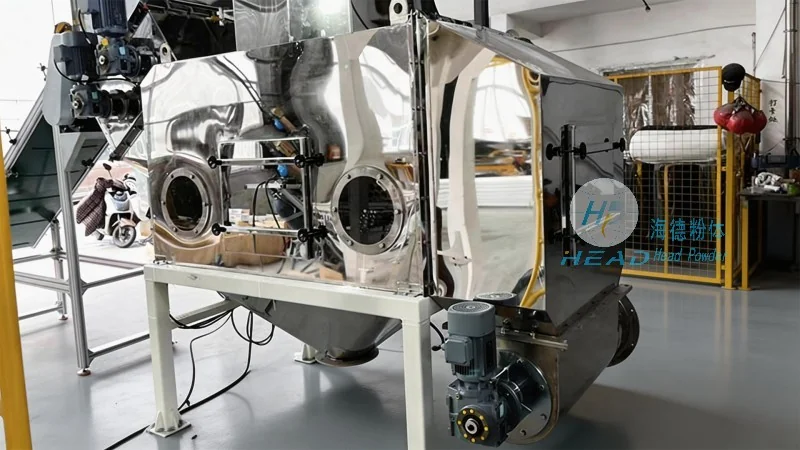
Positive Pressure Pneumatic Conveying: Working Principle and Applications
Positive pressure pneumatic conveying systems operate by generating air pressure within the conveying line, which propels the material forward. In this mode, the conveying line is under positive pressure relative to ambient air, ensuring continuous movement of the material from the source to the destination. The system typically comprises a blower or compressor that supplies compressed air, a hopper or feeder to introduce the silica powder, and a receiver or discharge point for material collection. This method is particularly effective for long-distance or high-capacity conveying, as it maintains consistent air pressure and material flow. For silica powder, positive pressure systems are commonly employed in applications such as cement production, glass manufacturing, and chemical processing, where large quantities of material need to be transported over significant distances. The high pressure and continuous flow help prevent material degradation and ensure the powder remains in a dry, free-flowing state throughout the conveying process.
Key Advantages of Positive Pressure Pneumatic Conveying for Silica Powder
Positive pressure pneumatic conveying offers several advantages that make it an attractive option for silica powder handling. Firstly, it provides high conveying capacity, allowing for the transport of large volumes of material in a short period. This is critical for industrial settings with high production rates and material throughput requirements. Secondly, the system maintains consistent air pressure, which prevents material clogging and ensures smooth operation. This consistency reduces downtime and maintenance costs, making it a cost-effective solution for long-term use. Thirdly, positive pressure systems are less susceptible to external air infiltration, minimizing the risk of dust leakage and maintaining the purity of the material. Additionally, these systems can handle a wide range of particle sizes and moisture contents, offering versatility for various silica powder applications. The ability to control air flow and pressure enables operators to adjust the conveying rate according to specific production needs, providing flexibility in material handling.
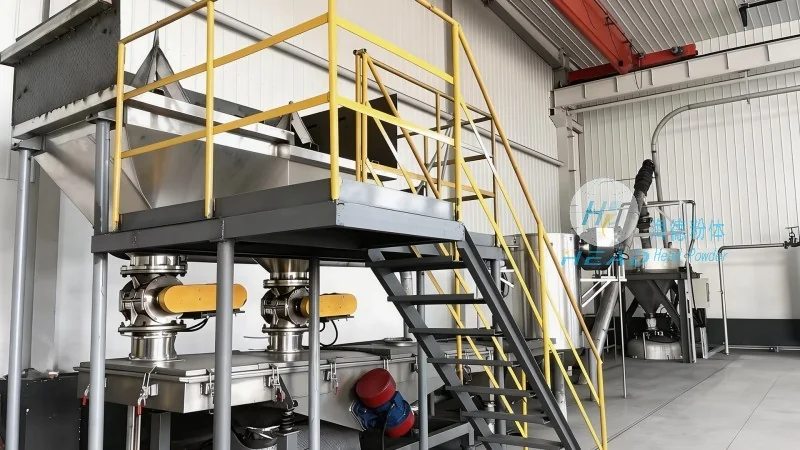
Negative Pressure Pneumatic Conveying: Working Principle and Applications
Negative pressure pneumatic conveying, also known as vacuum conveying, operates by creating a vacuum in the conveying line, which draws the material from the source to the receiver. In this mode, the conveying line is under negative pressure relative to ambient air, and the material is pulled by the air flow. The system typically includes a vacuum pump, a hopper or feeder, and a receiver. Negative pressure systems are commonly used for shorter distances or when the material needs to be transported from a low elevation to a higher one. For silica powder, this mode is often utilized in applications such as pharmaceuticals, food processing, and fine chemicals, where the material must be handled gently to avoid degradation or contamination. The gentle handling of the powder is a significant advantage, as it preserves the quality and integrity of the silica particles. This method is particularly suitable for handling fine or cohesive powders, as the vacuum helps prevent particle agglomeration and ensures the material remains in a free-flowing state.
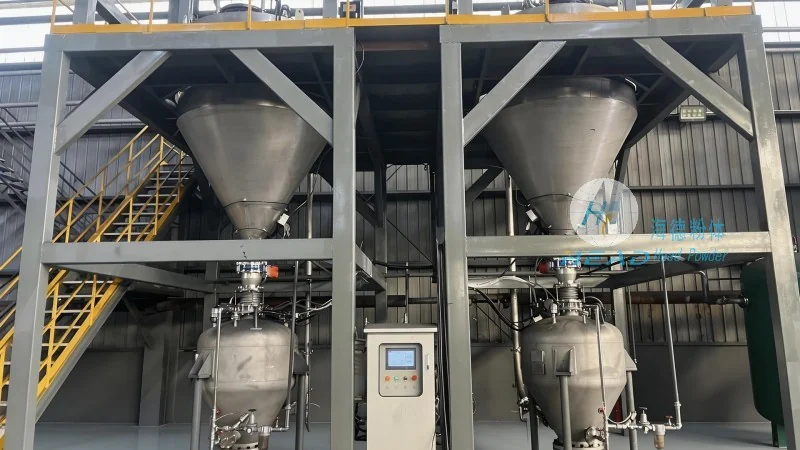
Key Advantages of Negative Pressure Pneumatic Conveying for Silica Powder
Negative pressure pneumatic conveying offers distinct advantages that make it suitable for specific silica powder applications. Firstly, it provides gentle material handling, essential for delicate or sensitive powders. The vacuum action minimizes particle impact and friction, reducing the risk of attrition and maintaining the powder's original properties. This is critical in industries where the quality of silica powder directly impacts product performance, such as in glass manufacturing or electronics. Secondly, negative pressure systems are effective for short-distance conveying, making them ideal for applications where the source and destination are close together. This reduces system complexity and cost, as shorter lines require less equipment and maintenance. Thirdly, these systems are well-suited for handling materials prone to dust explosion risks. By maintaining a vacuum, the system prevents dust accumulation, a key safety feature in high-risk environments. Additionally, negative pressure conveying allows for material collection from multiple sources or points, as the vacuum can draw material from various hoppers or containers into a single receiver. This flexibility is beneficial for operations that require consolidation of materials from different locations.
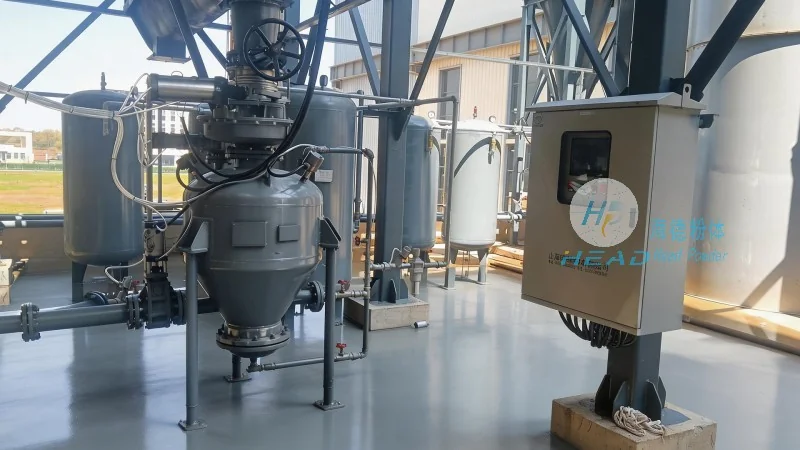
Comparison of Positive and Negative Pressure Pneumatic Conveying for Silica Powder
When comparing positive and negative pressure pneumatic conveying systems for silica powder, several factors must be considered, including conveying distance, material characteristics, capacity requirements, and operational costs. Positive pressure systems are generally more suitable for long-distance or high-capacity applications, as they can maintain consistent pressure and handle large volumes efficiently. They are ideal for industrial settings where continuous operation and high production rates are critical. Conversely, negative pressure systems are better suited for short-distance or gentle handling applications, where preserving material quality is paramount. They are often used in industries such as pharmaceuticals or food processing, where the material must be handled with care to avoid contamination or degradation. In terms of cost, positive pressure systems may have higher initial investment due to the need for a blower or compressor, but they offer lower operating costs for high-capacity operations. Negative pressure systems, while having lower initial costs, may require more frequent maintenance due to wear and tear on the vacuum pump and conveying line. The choice between the two modes ultimately depends on the specific requirements of the application, including distance, material properties, and operational constraints.
Factors to Consider When Selecting a Pneumatic Conveying System for Silica Powder
Choosing the right pneumatic conveying system for silica powder involves evaluating key factors to ensure optimal performance and efficiency. The first consideration is the conveying distance and system layout. For long distances or complex layouts, positive pressure systems are more effective due to their ability to maintain pressure over extended lengths. Shorter distances or simple layouts may allow for the use of negative pressure systems. The second factor is the material characteristics of the silica powder, including particle size, moisture content, and flowability. Coarse or dry powders may be better suited for positive pressure systems, while fine or cohesive powders may require negative pressure systems for gentle handling. The third factor is the required conveying capacity, which determines the equipment size and type. High-capacity operations may benefit from positive pressure systems, while low-capacity or batch operations may use negative pressure systems. The fourth factor is the operational environment and safety requirements. Industries with high dust explosion risks may prefer negative pressure systems due to their ability to maintain a vacuum and prevent dust accumulation. Additionally, space and infrastructure availability should be considered, as positive pressure systems require more space for the blower and may need additional ventilation to manage air pressure. By carefully evaluating these factors, industry professionals can select the most appropriate pneumatic conveying system that meets their specific needs and ensures efficient and safe handling of silica powder.