

Analysis of Rapeseed Pneumatic Conveying Technology: Comparison of Positive and Negative Pressure Mo
Rapeseed, a key agricultural commodity, requires efficient and reliable handling systems to ensure quality and safety during processing. Pneumatic conveying technology has emerged as a critical solution for transporting rapeseed from storage to processing facilities. This article provides a detailed analysis of the two primary pneumatic conveying modes—positive pressure and negative pressure—highlighting their applications, advantages, and limitations in the context of rapeseed handling.
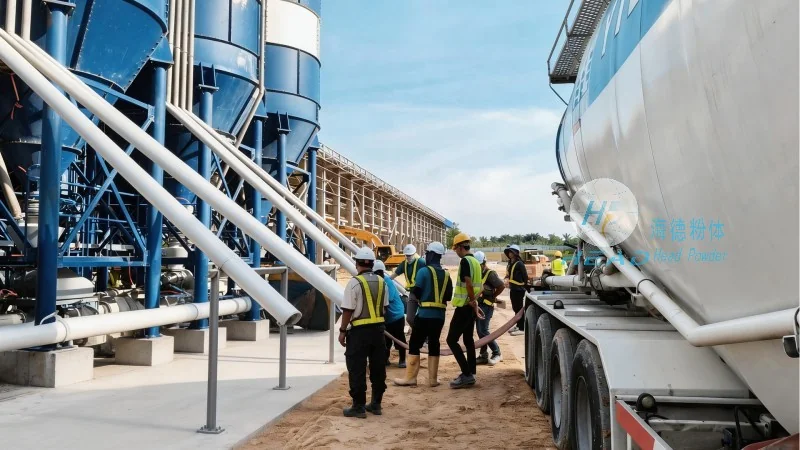
Introduction to Pneumatic Conveying for Rapeseed
Pneumatic conveying systems use air or gas to transport bulk materials like rapeseed through a pipeline. These systems are widely adopted in the agricultural and food processing industries due to their ability to handle fragile materials while minimizing contamination and damage. The choice between positive and negative pressure modes depends on factors such as material characteristics, system layout, and operational requirements.
Positive Pressure Pneumatic Conveying
Positive pressure systems operate by blowing air or gas into the conveying line, creating a pressure higher than the ambient air pressure. This method is particularly effective for transporting rapeseed over long distances or through complex layouts, as the positive pressure ensures consistent material flow and prevents blockages. The system typically includes a blower, a hopper for material storage, and a pipeline network that transports the rapeseed to the processing unit.
One of the key advantages of positive pressure is its ability to handle abrasive or sticky materials, which is common in rapeseed processing. The high-pressure air flow helps to break up clumps and maintain a uniform flow rate, reducing the risk of clogging. Additionally, positive pressure systems are generally more energy-efficient for long-distance transport, as the blower can maintain a steady pressure without frequent adjustments.
However, positive pressure systems may require more robust equipment to withstand higher pressures, which can increase initial investment costs. They also generate more noise and air pollution compared to negative pressure systems, necessitating proper ventilation and noise control measures. Furthermore, the high air velocity can lead to increased wear and tear on the pipeline and components, requiring regular maintenance to ensure longevity.
Negative Pressure Pneumatic Conveying
Negative pressure systems, also known as vacuum conveying, operate by creating a vacuum in the conveying line, drawing material from the source into the system. This method is ideal for short-distance transport or when the material needs to be collected from multiple points. The system consists of a vacuum pump, a hopper, and a pipeline that pulls the rapeseed into the processing area.
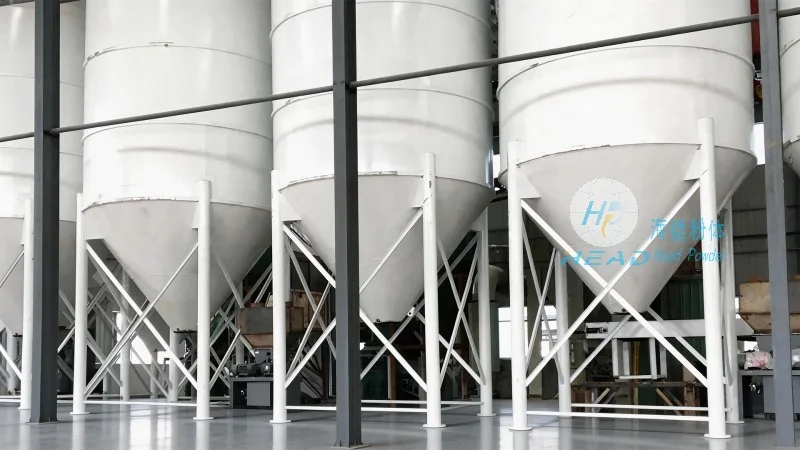
A significant advantage of negative pressure is its lower noise level and reduced air pollution, as the system operates at lower pressures. This makes it more suitable for applications where environmental noise regulations are stringent. Additionally, negative pressure systems are generally less expensive to install and maintain, as they require smaller and less powerful equipment compared to positive pressure systems.
However, negative pressure systems have limitations in terms of material handling capacity and distance. The vacuum pressure is typically lower than positive pressure, which can result in lower flow rates and increased risk of material degradation, especially for delicate rapeseed. The system may also be more susceptible to blockages if the material is too fine or contains high moisture content, as the vacuum may not effectively pull the material through the pipeline.
Comparison of Positive and Negative Pressure Modes
When comparing positive and negative pressure pneumatic conveying for rapeseed, several factors must be considered. Positive pressure is generally preferred for long-distance transport, high material throughput, and handling of abrasive materials. It offers higher efficiency and reliability for large-scale operations, making it suitable for industrial processing facilities. In contrast, negative pressure is more appropriate for short-distance transport, low-volume applications, or environments with strict noise and air quality regulations.
The choice between the two modes also depends on the specific characteristics of the rapeseed, such as moisture content, particle size, and bulk density. For example, if the rapeseed is dry and has a relatively uniform particle size, both systems can perform well. However, if the material is sticky or contains high moisture, positive pressure may be more effective due to its ability to maintain consistent flow and prevent clogging.
Applications in Rapeseed Processing
Pneumatic conveying systems are widely used in rapeseed processing for tasks such as transporting seeds from storage silos to cleaning equipment, moving processed rapeseed to packaging lines, and handling byproducts like meal and oil. The positive pressure mode is often used in large-scale oil mills where high throughput is required, while the negative pressure mode may be employed in smaller processing facilities or for handling delicate byproducts.
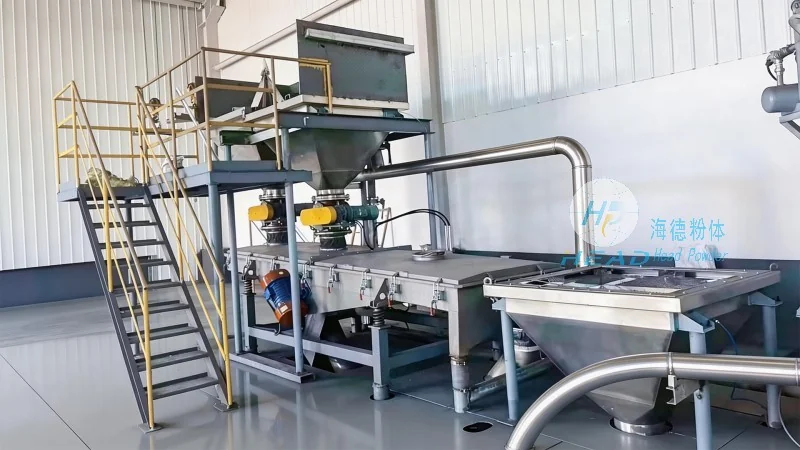
For instance, in a large rapeseed oil processing plant, a positive pressure system may be used to transport raw rapeseed from storage bins to a pre-cleaning unit, ensuring a continuous and efficient flow of material. The system can handle the high volume of rapeseed while maintaining the quality of the product. Conversely, a negative pressure system might be used to transport processed rapeseed meal from a grinding unit to a storage silo, as the shorter distance and lower material volume make it more cost-effective and environmentally friendly.
Key Considerations for System Design
When designing a pneumatic conveying system for rapeseed, several factors must be carefully evaluated to ensure optimal performance and efficiency. These include the material's physical properties, such as particle size distribution, moisture content, and bulk density, as well as the system's operational parameters like air velocity, pressure, and flow rate.
The choice of blower or vacuum pump is critical, as it directly impacts the system's efficiency and cost. Positive pressure systems typically use centrifugal blowers, which are capable of delivering high pressure and volume, while negative pressure systems may use rotary vane or liquid ring vacuum pumps, which are more suitable for lower pressure applications.
Additionally, the pipeline design and material selection are important considerations. The pipeline must be constructed from materials that can withstand the pressure and wear from the rapeseed, such as stainless steel or corrosion-resistant alloys. The pipeline diameter and length also affect the system's performance, as larger diameters reduce friction losses and improve flow rates.
Conclusion
Pneumatic conveying technology plays a vital role in the efficient handling of rapeseed, with both positive and negative pressure modes offering distinct advantages and limitations. The selection of the appropriate mode depends on the specific requirements of the processing facility, including distance, material characteristics, and operational constraints. By carefully evaluating these factors, manufacturers can choose the most suitable pneumatic conveying system to ensure high-quality, reliable, and cost-effective rapeseed processing.