

Analysis of Potash Fertilizer Pneumatic Conveying Technology: Comparison of Positive and Negative Pr
Shandong HeadPowder Engineering Co., Ltd., based in Shandong, China, specializes in advanced material handling solutions, including pneumatic conveying systems for potash fertilizers. This article provides an in-depth analysis of the two primary modes used in such systems: positive pressure and negative pressure, highlighting their operational principles, advantages, and practical applications.
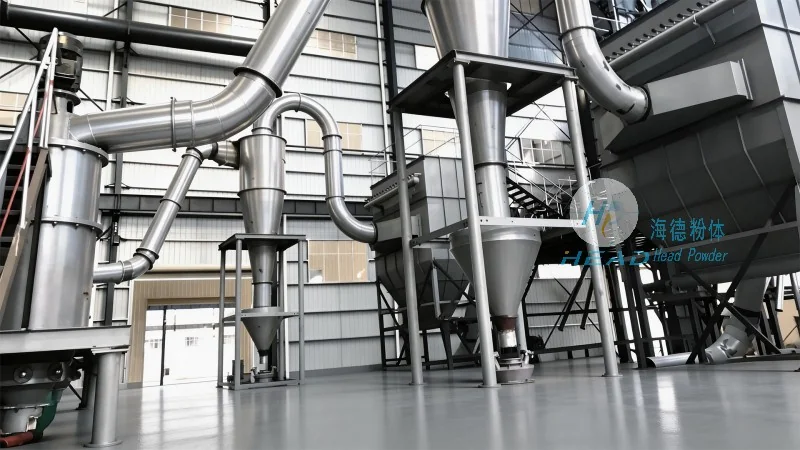
Understanding Pneumatic Conveying Technology
Pneumatic conveying is a method of transporting bulk materials like potash fertilizer through a pipeline using air or gas as the conveying medium. The technology is widely adopted in the fertilizer industry due to its efficiency, flexibility, and ability to handle materials that are difficult to transport by traditional methods. The choice between positive and negative pressure systems depends on factors such as material characteristics, distance, and system design requirements.
Positive Pressure Pneumatic Conveying Mode
Positive pressure systems operate by blowing air or gas into the material to be conveyed, creating a pressure higher than the ambient air pressure. This method is particularly effective for transporting potash fertilizer over long distances or through complex piping networks. The primary advantage of positive pressure is its ability to handle abrasive and corrosive materials without significant wear on the system components. Additionally, positive pressure systems can be designed to operate at higher velocities, which enhances the conveying efficiency for fine powders like potash.
In a positive pressure system, the material is drawn from a hopper or storage silo and is propelled through the pipeline by the force of the compressed air. The system typically includes a blower or compressor, a hopper with a feeder, and a pipeline network. The air and material mixture is then discharged at the receiving end, where a separator or cyclone separates the material from the air. This mode is ideal for applications where the material needs to be transported from a central storage facility to multiple points of use, such as in agricultural or industrial settings.
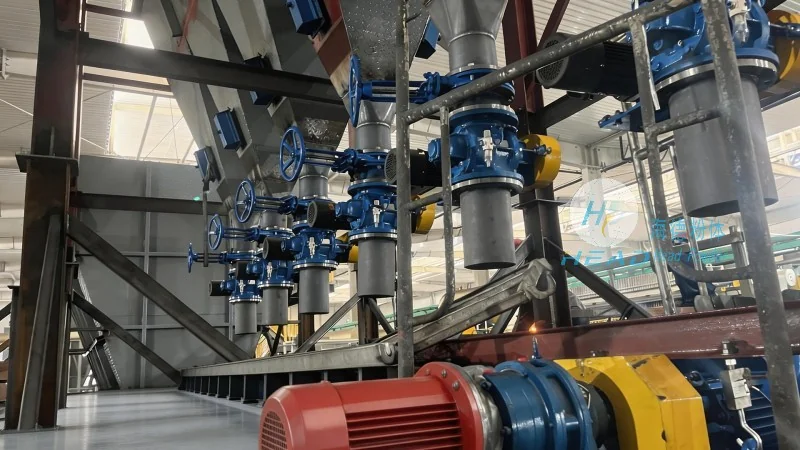
Negative Pressure Pneumatic Conveying Mode
Negative pressure systems, also known as suction systems, operate by creating a vacuum in the pipeline, which draws the material from the source into the system. The ambient air is then drawn into the pipeline along with the material, and the mixture is transported to the discharge point. Negative pressure systems are commonly used for short to medium distance conveying, typically up to a few hundred meters, and are suitable for handling lighter materials or those that are more prone to dust generation.
The key advantage of negative pressure is its lower energy consumption compared to positive pressure systems, as it relies on the natural suction created by the vacuum. However, negative pressure systems are more susceptible to blockages and material degradation due to the higher air-to-material ratio. The system components, including the vacuum pump or fan, hopper, and pipeline, are designed to handle the lower pressure differentials, and the discharge process often involves a cyclone or filter to separate the material from the air.
For potash fertilizer applications, negative pressure systems are often used in situations where the material is being transferred from a silo to a processing plant or storage area, where the distance is relatively short and the material is less abrasive. The system's ability to handle fine powders without excessive pressure buildup makes it a viable option for certain operational scenarios.
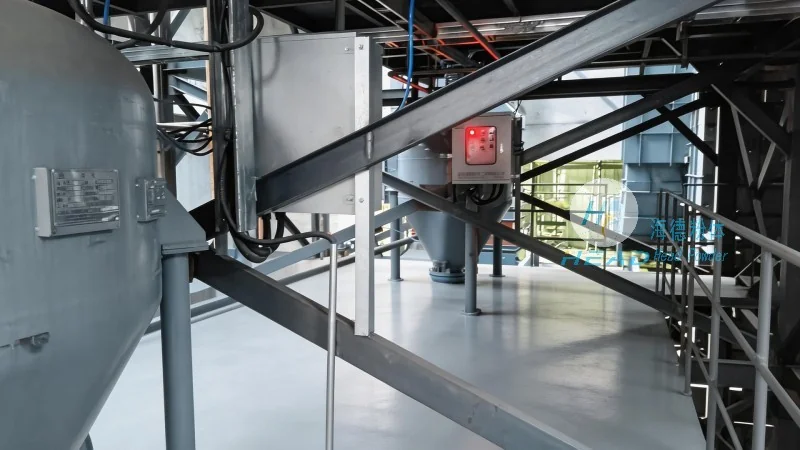
Comparison of Positive and Negative Pressure Modes
When selecting between positive and negative pressure pneumatic conveying systems for potash fertilizer, several factors must be considered. Positive pressure systems are generally more suitable for long-distance, high-volume conveying due to their higher efficiency and ability to handle abrasive materials. They require more energy input but offer greater flexibility in system design and material handling capabilities.
On the other hand, negative pressure systems are more energy-efficient for short distances and are better suited for applications involving lighter or more dust-prone materials. They are less prone to system blockages but may require more maintenance due to the higher air-to-material ratio and potential for material degradation.
The choice of system also depends on the specific characteristics of the potash fertilizer, such as particle size, moisture content, and flowability. For example, fine-grained potash with high moisture content may benefit from a positive pressure system to prevent caking and blockages, while a coarser material with lower dust generation might be better suited for a negative pressure system.
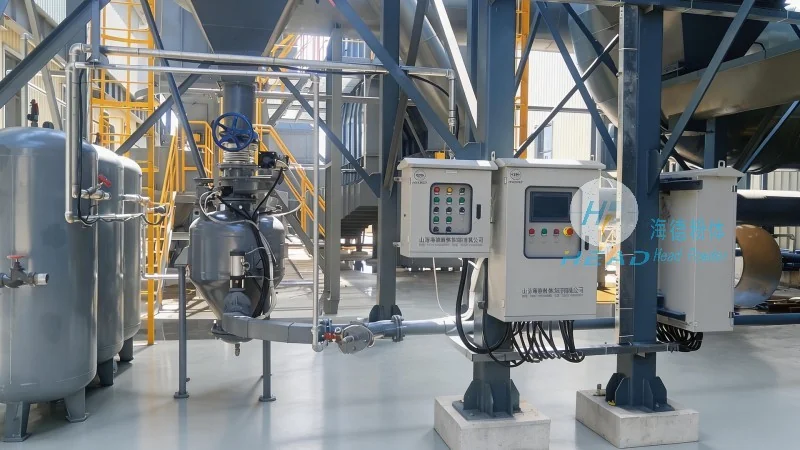
Operational Considerations and Best Practices
Regardless of the mode chosen, proper system design and maintenance are crucial for optimal performance. For positive pressure systems, regular inspection of the blower and pipeline for wear and tear is essential to prevent leaks and maintain pressure levels. The hopper and feeder must be designed to ensure consistent material flow, as fluctuations can lead to system inefficiencies or blockages.
For negative pressure systems, the vacuum pump or fan must be sized appropriately to handle the required air volume and pressure differential. The system should include adequate filtration to prevent dust accumulation in the vacuum pump and ensure compliance with environmental regulations. Additionally, the discharge equipment, such as cyclones or filters, must be regularly cleaned to maintain efficiency and prevent material buildup.
Shandong HeadPowder Engineering Co., Ltd. provides comprehensive solutions for potash fertilizer pneumatic conveying systems, including system design, installation, and maintenance services. Their expertise in both positive and negative pressure technologies ensures that clients receive tailored solutions that meet their specific operational requirements and material handling needs.