

[Dust Gas Power Transportation Technology Analysis: Comparison of Positive Pressure and Negative Pre
HeadPowder, a leading provider in the field of dust and powder handling solutions, specializes in advanced gas power transportation technologies. This article delves into the technical aspects of dust gas power transportation, focusing on the comparison between positive pressure and negative pressure systems. Understanding the differences and applications of these two modes is crucial for optimizing material handling processes in various industrial settings.
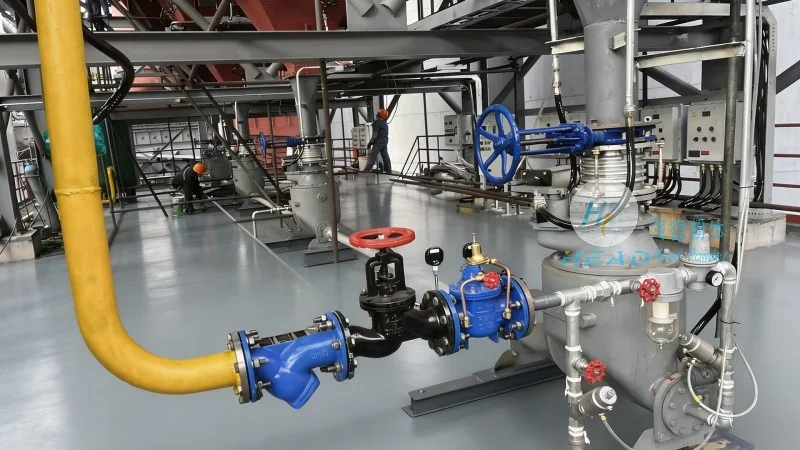
Introduction to Dust Gas Power Transportation
Dust gas power transportation, also known as pneumatic conveying, is a method used to transport bulk materials like dust and powders through a pipeline using air or gas as the conveying medium. This technology is widely employed in industries such as cement, chemical, food processing, and mining, where efficient and reliable material transport is essential. The core of this technology lies in the pressure differential between the conveying system and the surrounding environment, which can be achieved through either positive pressure or negative pressure operation.
Positive Pressure Conveying Systems
Positive pressure conveying systems operate by pressurizing the entire conveying line above the atmospheric pressure. In this mode, air is supplied to the material feed point and the entire pipeline, ensuring that the material is continuously pushed forward by the pressurized air. This approach is particularly effective for conveying materials over long distances or through complex piping networks. The positive pressure system typically uses a blower or a positive displacement pump to generate the necessary pressure. One of the key advantages of positive pressure conveying is its ability to handle a wide range of materials, including those that are abrasive or have high moisture content. Additionally, it can transport materials at high velocities, which helps in maintaining the material's quality and preventing clogging. However, the system requires a robust sealing mechanism to prevent air leakage and maintain the pressure differential. The equipment used in positive pressure systems, such as the blower and the pipeline, needs to be designed to withstand the higher pressure, which can increase the initial investment cost. Moreover, the operation of positive pressure systems may generate more noise and require more maintenance due to the higher air flow rates.
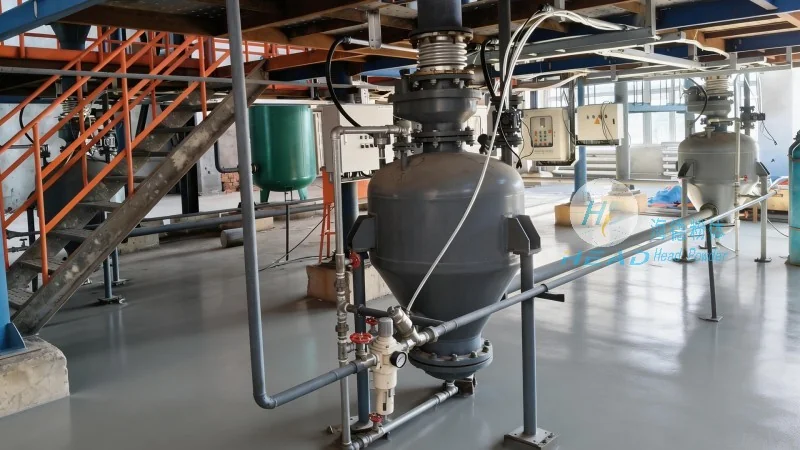
Negative Pressure Conveying Systems
Negative pressure conveying systems, on the other hand, operate by creating a vacuum or a low-pressure environment within the conveying line. The material is drawn into the pipeline by the suction created by a vacuum pump or a fan operating in the negative pressure mode. This method is commonly used for short to medium distance conveying and for materials that are light and easily suspended in air. The negative pressure system is generally more suitable for handling materials that are sensitive to pressure changes or for applications where the material needs to be collected from multiple points. One of the main benefits of negative pressure conveying is its lower initial cost compared to positive pressure systems, as it does not require high-pressure equipment. The system is also less likely to cause dust emissions at the discharge point, as the material is drawn into the pipeline rather than being expelled. However, negative pressure systems have limitations in terms of the distance they can effectively convey materials, as the pressure drop increases with distance. They are also less efficient in handling abrasive or high-density materials, as the low pressure may not provide sufficient force to move the material through the pipeline. Furthermore, the operation of negative pressure systems may lead to higher energy consumption due to the need to maintain a consistent vacuum level, and the system is more susceptible to clogging if the material contains large particles or moisture.
Comparison of Positive and Negative Pressure Systems
When comparing positive and negative pressure conveying systems, several factors need to be considered to determine the most suitable option for a specific application. The choice between the two modes depends on the distance of material transport, the type of material being handled, the required conveying capacity, and the overall system cost. For long-distance or high-capacity conveying of abrasive or high-density materials, positive pressure systems are generally preferred due to their superior performance and reliability. These systems can handle materials over several kilometers with minimal pressure loss and can maintain consistent flow rates. In contrast, negative pressure systems are more suitable for short-distance conveying of light, non-abrasive materials, where the primary concern is minimizing dust emissions and maintaining material quality. The cost of the system is another critical factor. Positive pressure systems typically have a higher initial investment due to the need for high-pressure equipment, but they offer lower operating costs over time as they are more energy-efficient. Negative pressure systems, while cheaper to install, may have higher operating costs due to the continuous energy consumption required to maintain the vacuum. Additionally, the maintenance requirements differ between the two systems. Positive pressure systems require regular checks on the blower and pipeline for wear and tear, while negative pressure systems need to monitor the vacuum pump and filter for clogging. The environmental impact is also a consideration. Positive pressure systems may generate more noise and air emissions during operation, whereas negative pressure systems are generally quieter and produce less air pollution. In summary, the selection of a positive or negative pressure conveying system should be based on a thorough analysis of the specific requirements of the material handling process, including the distance, material characteristics, and budget constraints.
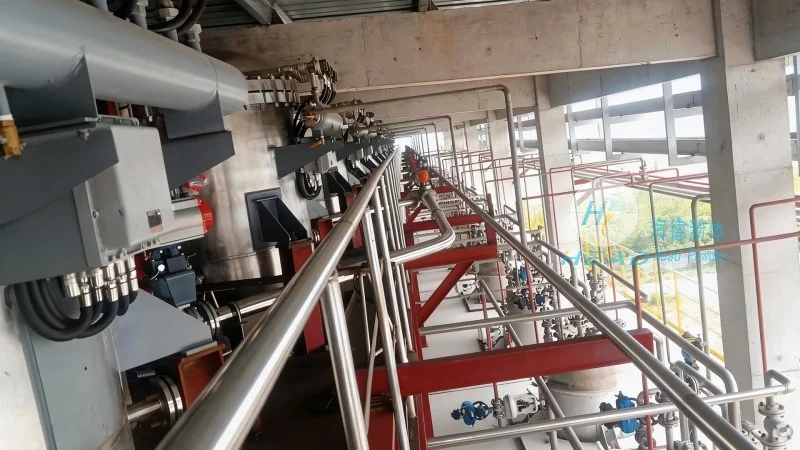
Applications and Industry Use Cases
Both positive and negative pressure conveying systems find applications in various industries, each tailored to the specific needs of the process. In the cement industry, positive pressure systems are commonly used to transport raw materials and finished products over long distances, as the materials are often abrasive and require high conveying efficiency. The chemical industry, particularly in the handling of powders and granules, utilizes both modes depending on the material's properties. For example, negative pressure systems are used to handle sensitive chemicals that need to be kept under vacuum to prevent contamination, while positive pressure systems are used for bulk chemicals that require high throughput. The food processing industry, where hygiene and material quality are paramount, often prefers negative pressure systems to minimize the risk of cross-contamination and to maintain the freshness of the product. The mining industry, dealing with large volumes of ore and tailings, may use positive pressure systems for long-distance transport of raw materials, while negative pressure systems are used for short-distance conveying of processed materials. In the pharmaceutical industry, where material purity is critical, negative pressure conveying is preferred to avoid any exposure to the environment and to maintain a sterile environment. Overall, the choice of system depends on the specific application and the characteristics of the material being transported.
Conclusion
HeadPowder, with its expertise in dust and powder handling technologies, provides comprehensive solutions for both positive and negative pressure conveying systems. By understanding the technical differences and applications of these two modes, industries can optimize their material handling processes, improve efficiency, and reduce operational costs. Whether it's a long-distance transport of abrasive materials or a short-distance conveying of sensitive powders, the right choice of pressure system can significantly impact the overall performance and reliability of the material handling operation. As a leading company based in Shandong, China, HeadPowder continues to innovate and provide tailored solutions to meet the diverse needs of its clients in the global market.