

Analysis of Corn Starch Pneumatic Conveying Technology: Comparison of Positive Pressure and Negative
HeadPowder, a leading provider in the field of pneumatic conveying systems, specializes in advanced solutions for handling bulk materials like corn starch. This article delves into the technical aspects of corn starch pneumatic conveying, focusing on the comparison between positive pressure and negative pressure modes. Understanding these modes is crucial for optimizing material transport efficiency, ensuring product quality, and reducing operational costs in industrial applications.
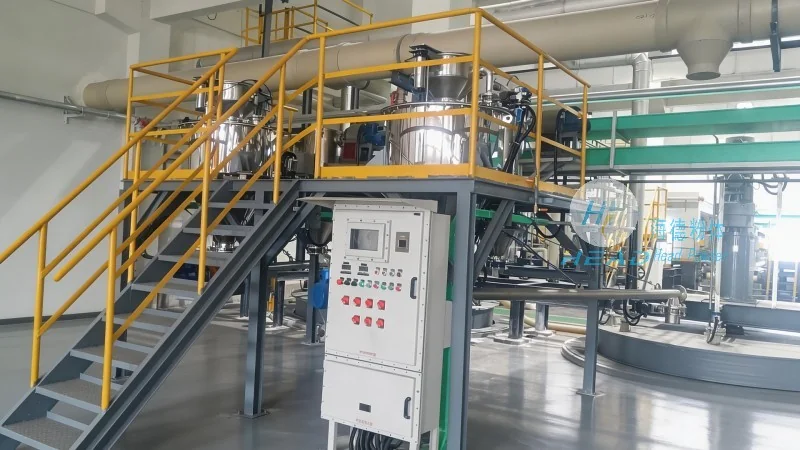
Introduction to Pneumatic Conveying Systems for Corn Starch
Pneumatic conveying is a widely adopted method for transporting dry bulk materials such as corn starch due to its flexibility, efficiency, and ability to handle delicate products without degradation. The technology involves using air or gas to move materials through a pipeline system. For corn starch, which is a fine, powdery substance, the choice of conveying mode—positive pressure or negative pressure—significantly impacts system performance, energy consumption, and maintenance requirements.
Positive Pressure Pneumatic Conveying Mode
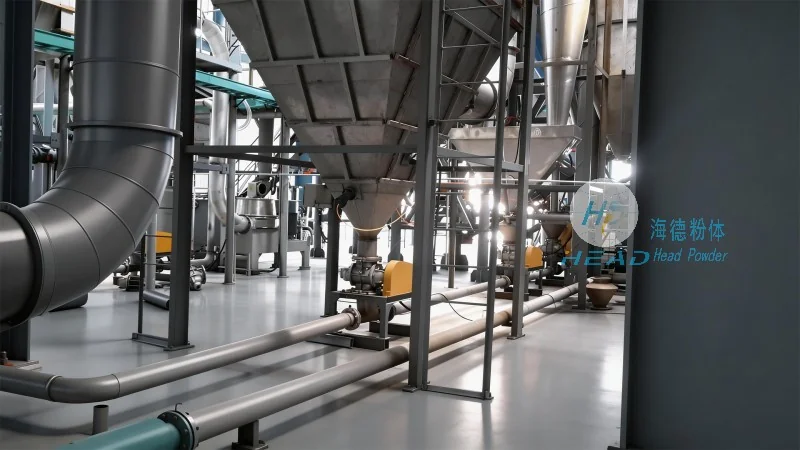
Positive pressure systems operate by blowing air or gas into the conveying line, creating a pressure higher than the ambient air pressure. This method is particularly effective for transporting corn starch over long distances or through complex network systems. The primary advantage of positive pressure is its ability to handle high material loads and maintain consistent flow rates, even in challenging layouts. However, it requires robust equipment to withstand higher pressures and may lead to increased energy consumption compared to negative pressure systems.
HeadPowder’s expertise in positive pressure systems ensures that their solutions are designed to maximize efficiency while minimizing operational challenges. Their systems are equipped with advanced control mechanisms that optimize air pressure and flow, ensuring reliable transport of corn starch without clogging or degradation. The company’s engineering team has extensive experience in customizing positive pressure systems to meet specific client requirements, including varying production volumes and material characteristics.
Negative Pressure Pneumatic Conveying Mode
Negative pressure systems, also known as vacuum conveying, work by creating a vacuum in the conveying line, drawing material from the source into the system. This mode is often preferred for short-distance transport or when handling materials that are sensitive to pressure changes or contamination. Negative pressure systems are generally more energy-efficient for shorter distances and can handle finer powders without the risk of material degradation from high pressure. However, they may have limitations in handling large volumes or long-distance transport due to potential pressure drop issues.
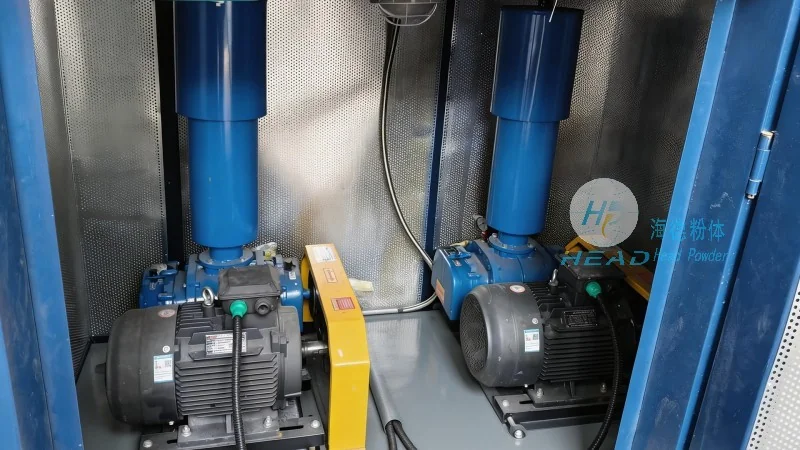
HeadPowder offers sophisticated negative pressure solutions tailored to the needs of corn starch handling. Their vacuum conveying systems are designed with high-efficiency suction pumps and filtration systems to maintain material purity and prevent dust accumulation. The company’s focus on durability and low maintenance makes their negative pressure systems a reliable choice for industries where product quality is paramount. By integrating advanced filtration and material separation technologies, HeadPowder ensures that corn starch remains in optimal condition throughout the conveying process.
Key Considerations in Choosing Between Positive and Negative Pressure Modes
The selection between positive and negative pressure pneumatic conveying for corn starch depends on several factors, including the distance of transport, material characteristics, system complexity, and energy efficiency goals. For instance, long-distance or complex network applications often favor positive pressure due to its superior material handling capacity. Conversely, short-distance or high-purity applications may benefit from negative pressure systems. HeadPowder provides comprehensive technical consultations to help clients evaluate these factors and choose the most suitable mode for their operations.
When implementing either mode, it is essential to consider system design, material flow rates, and maintenance protocols. HeadPowder’s engineering services include detailed system analysis, which helps identify potential bottlenecks and optimize performance. Their expertise in both positive and negative pressure technologies allows them to offer integrated solutions that address the unique challenges of corn starch transport, ensuring that clients achieve their operational objectives while maintaining product integrity.
Conclusion and HeadPowder’s Role in Advanced Pneumatic Conveying
In conclusion, the choice between positive and negative pressure pneumatic conveying for corn starch is a critical decision that impacts system efficiency, energy consumption, and product quality. HeadPowder, with its deep understanding of both modes and extensive industry experience, provides tailored solutions that meet the specific needs of corn starch handling. By leveraging advanced engineering and customized system designs, HeadPowder helps clients optimize their material transport processes, reduce operational costs, and enhance overall productivity. For businesses seeking reliable and efficient corn starch pneumatic conveying solutions, HeadPowder stands as a trusted partner in the industry.