

Analysis of Carbon Black Powder Pneumatic Conveying Technology: Comparison of Positive and Negative
Carbon black powder, a critical material in various industrial applications, requires efficient and reliable transportation methods to ensure consistent quality and process efficiency. Pneumatic conveying technology has emerged as a leading solution for handling carbon black powder, offering advantages such as reduced contamination, improved safety, and enhanced process control. This article provides an in-depth analysis of the two primary pneumatic conveying modes—positive pressure and negative pressure—used for carbon black powder transport, highlighting their operational principles, advantages, and practical applications.
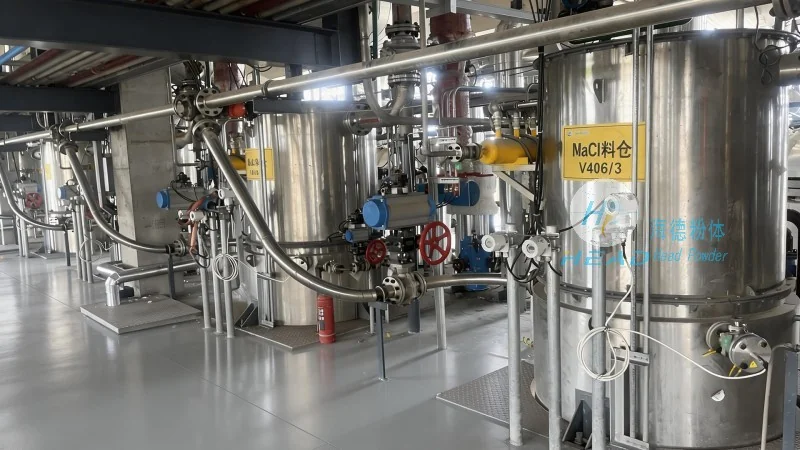
Understanding Pneumatic Conveying Systems for Carbon Black Powder
Pneumatic conveying systems utilize air or gas to transport bulk materials like carbon black powder through a pipeline network. The core of these systems lies in the pressure differential that drives material movement. For carbon black powder, which is often fine and abrasive, selecting the right conveying mode is crucial to prevent clogging, maintain material integrity, and ensure long-term system performance.
Positive Pressure Pneumatic Conveying: Advantages and Applications
Positive pressure pneumatic conveying operates by generating pressure inside the conveying line, pushing the carbon black powder from the source to the destination. This mode is particularly effective for long-distance or high-rise applications, as it can overcome significant elevation changes and resist backpressure from the receiving end. The system typically includes a positive displacement blower or a rotary lobe pump that supplies compressed air to the pipeline.
One of the key advantages of positive pressure systems is their ability to handle abrasive materials like carbon black powder without excessive wear on components. The high-pressure air flow helps maintain the material's flowability and prevents agglomeration, which is critical for maintaining consistent particle size distribution. Additionally, positive pressure systems are generally more suitable for applications requiring high throughput, as they can deliver larger volumes of material per unit time.
However, positive pressure systems may face challenges in environments where dust control is a priority. The high-pressure air can generate more dust emissions compared to negative pressure systems, requiring additional filtration and dust collection equipment. Moreover, the initial investment for positive pressure systems can be higher due to the need for robust blower units and higher-pressure pipelines.
Negative Pressure Pneumatic Conveying: Operational Principles and Benefits
Negative pressure pneumatic conveying, also known as vacuum conveying, works by creating a vacuum inside the conveying line, drawing carbon black powder from the source into the pipeline. This mode is ideal for applications where the material needs to be transported from a higher elevation to a lower one, or when the receiving point is located in a confined space. The system typically uses a vacuum pump or a rotary vane pump to create the negative pressure within the pipeline.
A major benefit of negative pressure systems is their superior dust control capabilities. The vacuum environment reduces the risk of dust dispersion, making them suitable for applications in cleanrooms or areas with strict environmental regulations. The lower air velocities in negative pressure systems also help minimize material degradation, preserving the carbon black powder's quality and performance characteristics.
Despite these advantages, negative pressure systems have limitations in terms of distance and material handling capacity. The vacuum pressure is generally lower than positive pressure, which restricts the maximum conveying distance and throughput. Additionally, negative pressure systems are more susceptible to blockages due to the lower air flow rates, requiring more frequent maintenance and cleaning to prevent clogging.
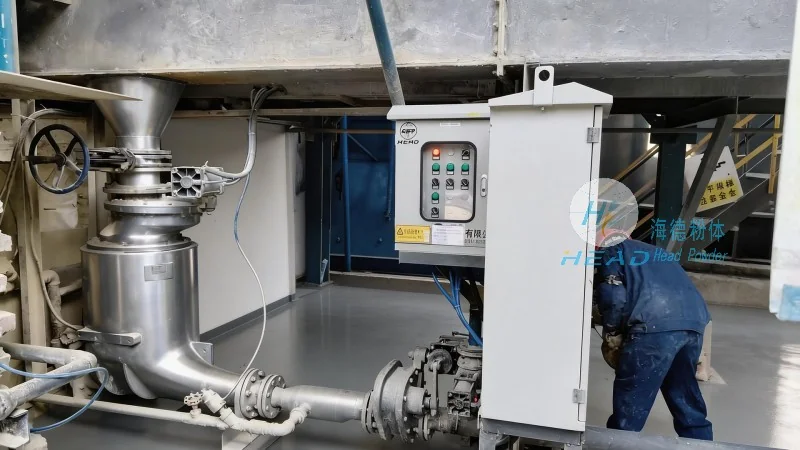
Comparative Analysis: Positive vs. Negative Pressure Conveying for Carbon Black Powder
When selecting between positive and negative pressure pneumatic conveying for carbon black powder, several factors must be considered. The primary decision points include the distance between the source and destination, the elevation difference, the required throughput, and the environmental regulations of the application.
For long-distance or high-rise applications with high throughput requirements, positive pressure systems are often preferred due to their ability to handle larger volumes and overcome significant elevation changes. In contrast, negative pressure systems are more suitable for shorter distances, lower throughput needs, and applications where dust control is paramount.
Cost is another critical factor. Positive pressure systems generally have higher initial costs due to the need for powerful blowers and higher-pressure components. However, their lower maintenance requirements over time can offset the initial investment. Negative pressure systems, while having lower initial costs, may incur higher maintenance expenses due to more frequent cleaning and component replacement.
Operational flexibility is also a key consideration. Positive pressure systems can be easily modified to handle different material types or adjust throughput by changing the blower speed or pipeline configuration. Negative pressure systems, on the other hand, are more rigid in terms of material handling, as the vacuum pressure limits the amount of material that can be conveyed.
Practical Recommendations for Carbon Black Powder Conveying
Based on the analysis of positive and negative pressure pneumatic conveying modes, the following recommendations can guide the selection process for carbon black powder transportation:
1. **Assess the distance and elevation**: For long distances or significant elevation changes, prioritize positive pressure systems. For short distances or when moving from a higher to a lower elevation, consider negative pressure systems.
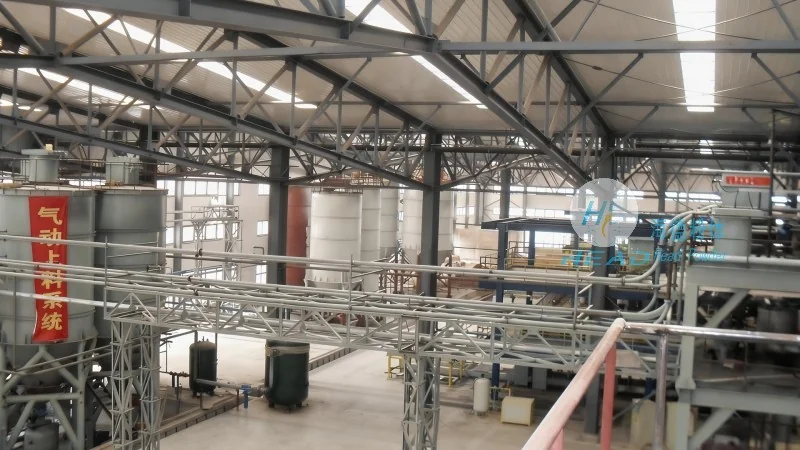
2. **Evaluate throughput requirements**: High throughput applications (e.g., large-scale production lines) benefit from positive pressure systems, while lower throughput needs can be met by negative pressure systems.
3. **Consider environmental regulations**: If strict dust control is required, negative pressure systems are preferable. For applications in open environments, positive pressure systems with adequate dust collection can be used.
4. **Budget and maintenance**: Weigh the initial investment against long-term maintenance costs. Positive pressure systems may have higher upfront costs but lower maintenance, while negative pressure systems may have lower initial costs but higher maintenance.
HeadPowder: Your Trusted Partner in Carbon Black Powder Conveying Solutions
Shandong HeadPowder Engineering Co., Ltd., a leading provider of pneumatic conveying solutions, specializes in designing and manufacturing customized systems for carbon black powder handling. With years of experience in the industry, HeadPowder understands the unique challenges of carbon black powder transportation and offers tailored solutions to meet specific operational needs.
Our team of engineers and technicians works closely with clients to assess their material characteristics, application requirements, and operational constraints. By leveraging advanced technology and robust design principles, HeadPowder delivers efficient, reliable, and cost-effective pneumatic conveying systems that enhance process efficiency and material quality.
HeadPowder's commitment to quality and customer satisfaction is reflected in our comprehensive service offerings, including system design, installation, and maintenance. We provide technical support and training to ensure that clients can operate and maintain their conveying systems effectively, maximizing their return on investment.
With a focus on innovation and customer-centric solutions, HeadPowder continues to lead the industry in providing advanced pneumatic conveying technologies for carbon black powder applications. Our expertise and dedication to excellence ensure that clients receive the best possible solutions for their material handling needs.