

Analysis of Molybdenum Concentrate Powder Pneumatic Conveying Technology: Comparison of Positive and
For industrial applications involving the transport of molybdenum concentrate powder, selecting the appropriate pneumatic conveying system is crucial for efficiency, cost-effectiveness, and operational reliability. Two primary modes of pneumatic conveying—positive pressure and negative pressure systems—offer distinct advantages and considerations. This article provides a detailed analysis of these two technologies, focusing on their operational principles, applications, and key differences to help industrial operators make informed decisions. The information presented is based on the expertise of Shandong HeadPowder Engineering Co., Ltd., a leading provider of pneumatic conveying solutions in China.
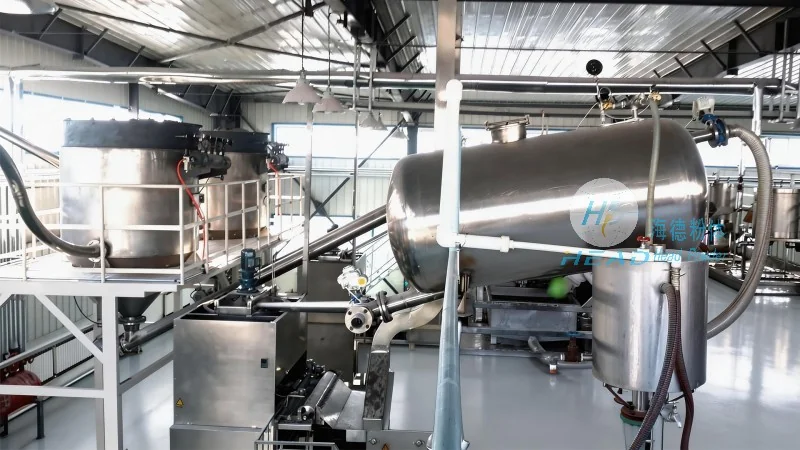
Introduction to Pneumatic Conveying Systems
Pneumatic conveying is a method of transporting bulk materials, such as powders and granules, using a gas stream (typically air) to move the material through a pipeline. This technology is widely used in the mining, chemical, and food industries due to its ability to handle materials that are difficult to transport via traditional methods like belt conveyors or trucks. The choice between positive and negative pressure systems depends on factors like material properties, distance, and system complexity.
Positive Pressure Pneumatic Conveying Systems
Positive pressure systems operate by blowing air or gas into the material to be conveyed, creating a pressure higher than the ambient air pressure. The material is then carried through the pipeline by the force of the pressurized air. This mode is particularly effective for transporting materials over long distances or through complex network systems. The primary advantage of positive pressure systems is their ability to handle high material loads and maintain consistent flow rates. However, they require robust equipment to manage the higher pressure and may be more expensive to install and maintain.
Key components of a positive pressure system include a blower or compressor, a material feeder, a pipeline network, and a receiver or discharge unit. The blower provides the necessary pressure to move the material, while the feeder ensures a consistent supply of powder. The pipeline is designed to withstand the internal pressure, and the receiver collects the material at the destination. Positive pressure systems are often used in applications where the material needs to be transported from a central location to multiple points, such as in a large mining operation or a chemical plant.
Negative Pressure Pneumatic Conveying Systems
Negative pressure systems, also known as vacuum or suction systems, operate by creating a vacuum in the pipeline, which draws the material from the source to the receiver. The material is carried by the suction force, and the air is then filtered and discharged. This mode is suitable for short to medium-distance transport and is often used for applications where the material is sensitive to pressure or where the system needs to be installed in confined spaces.
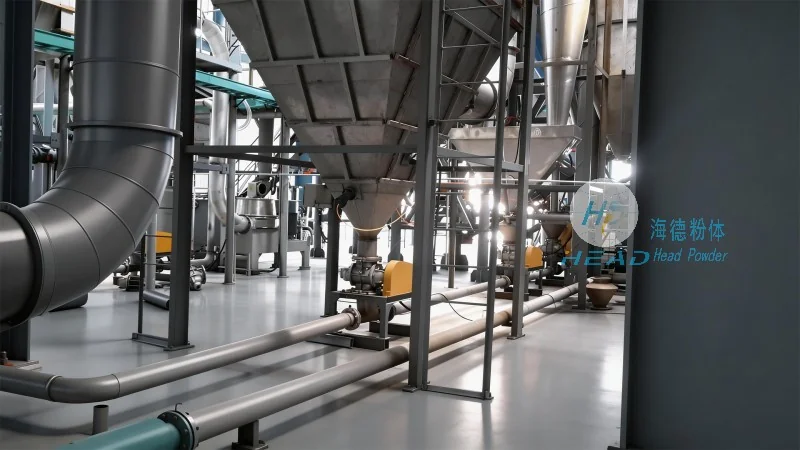
Key components of a negative pressure system include a vacuum pump, a material feeder, a pipeline network, and a filter or dust collector. The vacuum pump creates the low pressure in the system, while the feeder supplies the material. The pipeline is designed to handle the reduced pressure, and the filter removes any particles from the air before it is released into the environment. Negative pressure systems are typically less expensive to install than positive pressure systems but may have lower material handling capacity and are more prone to clogging due to the lower air velocity.
Comparison of Positive and Negative Pressure Systems
When comparing positive and negative pressure pneumatic conveying systems, several factors must be considered. The choice of system depends on the specific requirements of the application, including the material properties, transport distance, and system layout. Positive pressure systems are generally more suitable for long-distance transport and high material loads, while negative pressure systems are better for short distances and applications requiring low pressure or suction.
One of the main differences between the two systems is the pressure differential. Positive pressure systems operate at pressures above atmospheric, typically ranging from 0.5 to 2 bar, while negative pressure systems operate at pressures below atmospheric, typically ranging from -0.1 to -0.5 bar. The higher pressure in positive systems allows for greater material throughput and more efficient transport, but it also increases the risk of system leaks and requires more robust equipment. Negative pressure systems, on the other hand, are more energy-efficient for short distances but may require more frequent maintenance due to the higher risk of clogging.
Another important consideration is the impact on the environment and safety. Positive pressure systems may release air and dust into the environment, requiring proper filtration and ventilation. Negative pressure systems, by contrast, draw air and material into the system, which can help reduce dust emissions at the source. However, they may require more careful handling of the vacuum pump and filter to prevent air leaks and contamination.
Applications in Molybdenum Concentrate Powder Handling
In the context of molybdenum concentrate powder handling, both positive and negative pressure systems have specific applications. Positive pressure systems are commonly used in large-scale mining operations where molybdenum concentrate needs to be transported from the processing plant to storage facilities or to other processing units over long distances. The high material throughput and reliability of positive pressure systems make them ideal for such applications. For example, a mining company in China may use a positive pressure system to transport molybdenum concentrate from a crusher to a flotation plant, ensuring consistent material flow and minimizing downtime.
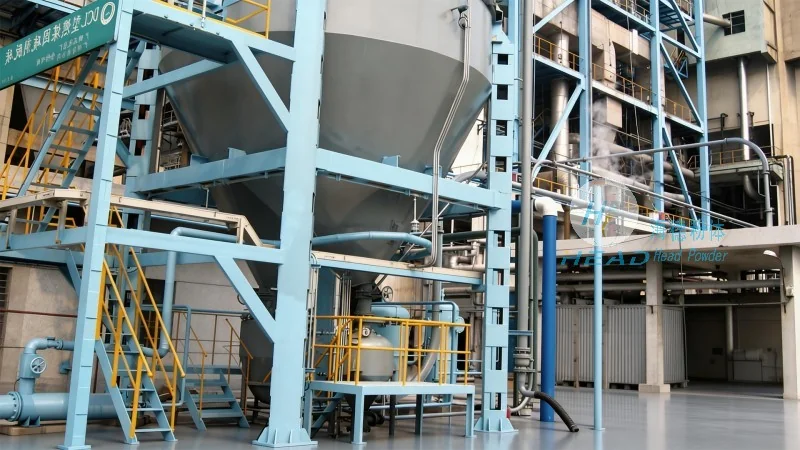
Negative pressure systems are often used in smaller-scale operations or for short-distance transport of molybdenum concentrate powder. They are particularly useful in applications where the material is sensitive to pressure or where the system needs to be installed in a confined space, such as in a laboratory or a small processing plant. For instance, a research facility may use a negative pressure system to transport molybdenum concentrate from a sample collection point to a laboratory for analysis, ensuring that the material is handled safely and efficiently.
Operational Considerations and Best Practices
Regardless of the system chosen, proper operation and maintenance are essential for optimal performance and longevity. For positive pressure systems, regular checks of the blower and compressor are necessary to ensure they are operating at the correct pressure and temperature. The material feeder should be adjusted to maintain a consistent flow rate, and the pipeline should be inspected for any signs of wear or damage. For negative pressure systems, the vacuum pump and filter should be checked regularly to ensure they are functioning properly and to prevent clogging. The filter should be cleaned or replaced as needed to maintain air quality and system efficiency.
Another important consideration is the material properties of the molybdenum concentrate. The particle size, moisture content, and density of the powder can affect the performance of the pneumatic conveying system. For example, fine particles may require higher air velocities to prevent clogging, while high moisture content may affect the material's flowability. Operators should conduct tests to determine the optimal air velocity and pressure for their specific material to ensure efficient and reliable transport.
Conclusion
Both positive and negative pressure pneumatic conveying systems offer effective solutions for transporting molybdenum concentrate powder, but the choice between them depends on the specific requirements of the application. Positive pressure systems are better suited for long-distance, high-volume transport, while negative pressure systems are more appropriate for short-distance, low-pressure applications. By understanding the operational principles and key differences of these systems, industrial operators can select the most suitable technology to meet their needs and ensure efficient, cost-effective, and reliable material transport.