

Analysis of Talc Powder Pneumatic Conveying Technology: Comparison of Positive and Negative Pressure
HeadPowder, a leading enterprise in the field of powder processing technology, specializes in the research, development, and application of advanced pneumatic conveying systems for talc powder. This article provides a detailed analysis of the two primary modes of pneumatic conveying—positive pressure and negative pressure systems—exploring their technical principles, operational characteristics, and practical applications in talc powder handling. By understanding the differences and advantages of each mode, industries can make informed decisions to optimize material transport efficiency and system reliability.
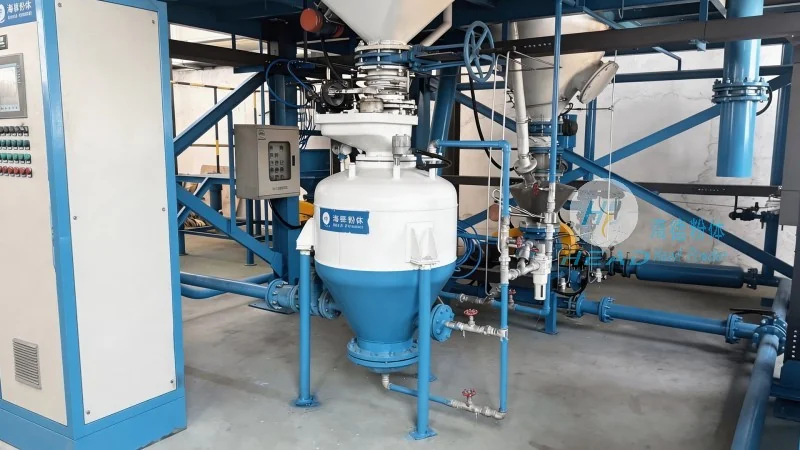
Introduction to Pneumatic Conveying Systems for Talc Powder
Talc powder, known for its excellent lubricating properties and high whiteness, is widely used in various industries such as cosmetics, paper, and ceramics. The efficient and safe transport of talc powder from storage to processing units is crucial for maintaining product quality and operational productivity. Pneumatic conveying, a method that uses air to move powders through a pipeline, offers a non-contact, low-damage solution compared to traditional mechanical conveying methods. HeadPowder Engineering Co., Ltd., based in Shandong, China, has extensive experience in designing and implementing tailored pneumatic conveying solutions for talc powder, ensuring compliance with industry standards and customer-specific requirements.
Positive Pressure Pneumatic Conveying System
The positive pressure system, also known as the pressure conveying system, operates by blowing air into the conveying pipeline under pressure. This method is particularly effective for conveying talc powder over long distances or through complex pipeline networks. In this system, the material is fed into a high-pressure air stream, which propels the powder through the pipeline. The positive pressure system typically uses a positive displacement blower or a rotary lobe blower as the air source, generating pressures ranging from 0.5 to 2 bar. The key advantages of the positive pressure system include its ability to handle high material loads, maintain consistent flow rates, and transport powders through vertical or horizontal sections without significant pressure loss. However, it requires robust pipeline sealing and may generate higher noise levels due to the high air pressure.
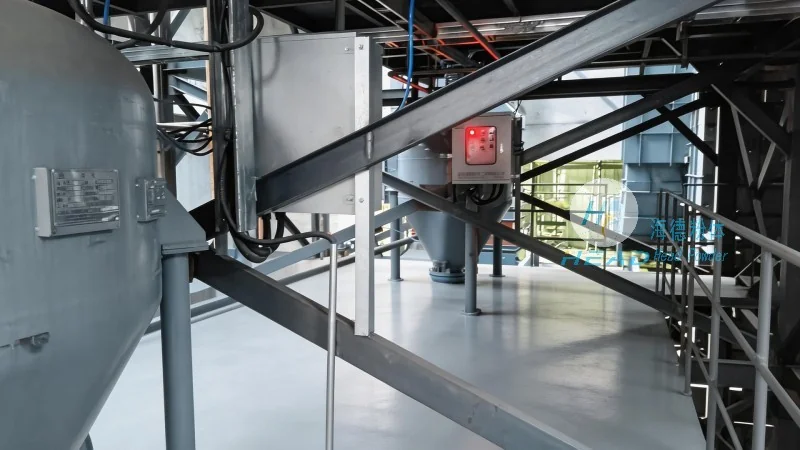
Negative Pressure Pneumatic Conveying System
Conversely, the negative pressure system, or vacuum conveying system, operates by creating a vacuum in the pipeline to draw talc powder from the source. This method is ideal for short-distance conveying or when the material needs to be collected from multiple points. The system uses a vacuum pump to reduce pressure inside the pipeline, causing the powder to be drawn into the air stream. Negative pressure systems are often preferred for their lower noise levels and reduced energy consumption compared to positive pressure systems. They are particularly suitable for handling fine powders like talc, as the vacuum helps prevent particle segregation and loss. However, the negative pressure system may have limitations in conveying large quantities of material over long distances, as the vacuum can lead to pressure drop and reduced flow efficiency.
Comparison of Positive and Negative Pressure Systems for Talc Powder
When selecting a pneumatic conveying system for talc powder, it is essential to evaluate the specific operational requirements and constraints of the application. The choice between positive and negative pressure systems depends on factors such as the distance between the source and destination, the volume of material to be transported, the complexity of the pipeline layout, and the desired energy efficiency. Positive pressure systems excel in long-distance and high-volume conveying, offering consistent performance and reliability. They are suitable for industrial settings where continuous material flow is critical. On the other hand, negative pressure systems are more economical for short-distance or low-volume applications, providing a quieter and more energy-efficient solution. HeadPowder Engineering Co., Ltd. offers customized solutions that integrate both system types or hybrid configurations to meet the unique needs of talc powder handling, ensuring optimal performance and cost-effectiveness.
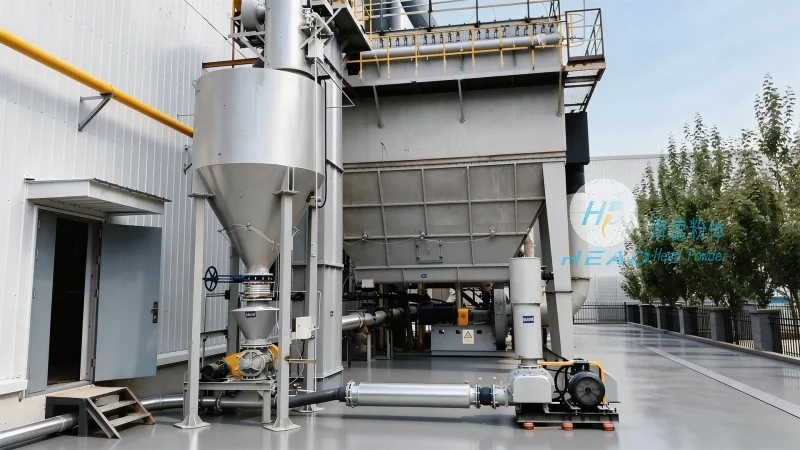
Technical Considerations and Best Practices
Implementing an effective pneumatic conveying system for talc powder requires careful consideration of several technical aspects. Material properties, such as particle size, density, and moisture content, significantly influence the system's performance. Talc powder, being a fine and cohesive material, may require special handling to prevent blockages and ensure smooth flow. HeadPowder's engineers recommend using appropriate pipeline materials, such as stainless steel or PTFE-coated pipes, to minimize powder adhesion and corrosion. Additionally, the design of the feeding and discharge equipment is critical to maintain consistent flow rates and prevent material degradation. Proper filtration and dust collection systems are essential to comply with environmental regulations and maintain workplace safety. Regular maintenance of the air source equipment, including blowers and vacuum pumps, is necessary to ensure long-term system reliability and efficiency.
Conclusion
In conclusion, the selection of a pneumatic conveying system for talc powder depends on a thorough analysis of operational requirements and technical constraints. Both positive and negative pressure systems offer viable solutions, each with distinct advantages and limitations. HeadPowder Engineering Co., Ltd., with its expertise in powder processing technology, provides comprehensive solutions that optimize material transport efficiency, reduce operational costs, and enhance system reliability. By leveraging advanced pneumatic conveying technology, industries can improve their talc powder handling processes, ensuring high-quality output and sustainable operations.