

Analysis of Pneumatic Conveying Technology for Rice Husk Powder: Comparison of Positive and Negative
Pneumatic conveying is a widely used method for transporting bulk materials like rice husk powder from one location to another. This technology utilizes air flow to move particles through a pipeline system, offering advantages such as low maintenance, flexibility in layout, and the ability to handle materials that are difficult to transport via traditional methods. The core of this technology lies in the pressure differential between the conveying system and the surrounding environment, which can be achieved through positive or negative pressure modes.
Positive Pressure Pneumatic Conveying Mode
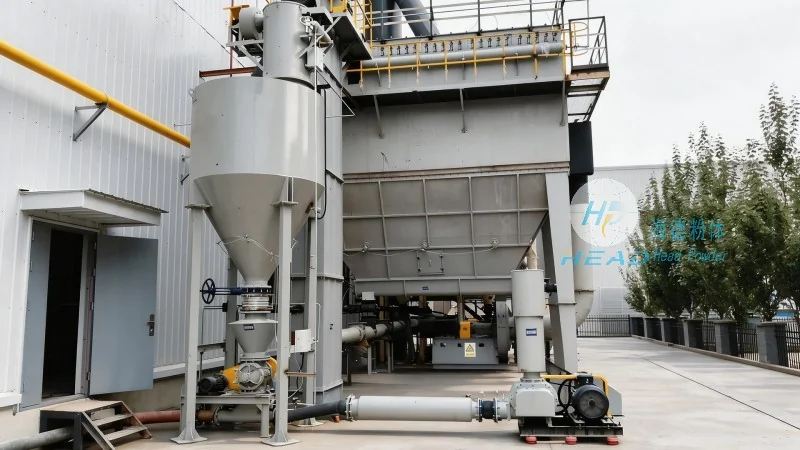
Positive pressure conveying operates by generating higher pressure inside the conveying line compared to the ambient air pressure. In this mode, a blower or compressor supplies compressed air to the material feed point, where the rice husk powder is mixed with the air stream. The mixture then travels through the pipeline to the discharge point. This approach is particularly effective for long-distance or high-rise conveying, as it can maintain sufficient pressure to overcome resistance in the system. The positive pressure system typically uses a closed loop with a filter to capture dust, ensuring environmental compliance. The equipment used includes a positive displacement blower, a material feeder, and a discharge valve. The process is continuous and can handle large volumes of rice husk powder efficiently. However, it may require more energy compared to negative pressure systems, especially for short-distance applications.
Negative Pressure Pneumatic Conveying Mode
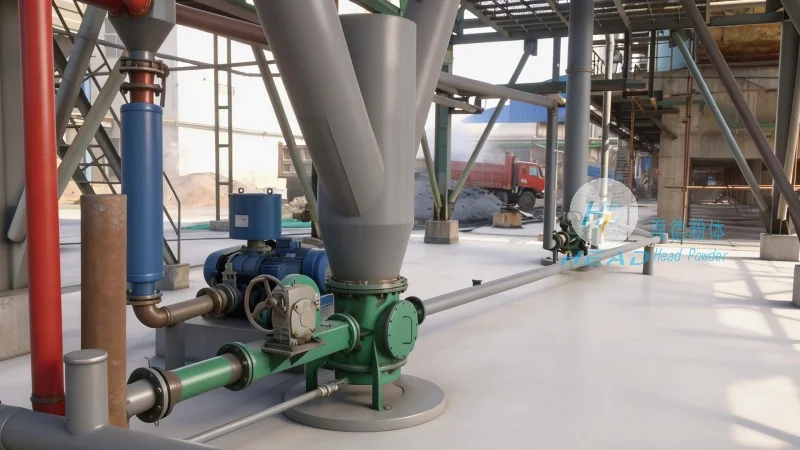
Negative pressure conveying, also known as vacuum conveying, works by creating a lower pressure inside the conveying line than the ambient air pressure. The system draws the rice husk powder into the pipeline using a vacuum pump, which pulls the material from the source to the receiver. This mode is often preferred for short-distance or low-rise conveying, as it is more energy-efficient for such applications. The negative pressure system typically features an inlet hopper, a vacuum pump, and a filter to collect fine particles. The material is transported in a sealed environment, reducing dust emissions and improving safety. The process is gentle on the material, making it suitable for handling delicate or sensitive rice husk powder. However, it may have limitations in conveying long distances or through complex pipeline networks due to the pressure drop over distance.
Comparison of Positive and Negative Pressure Modes
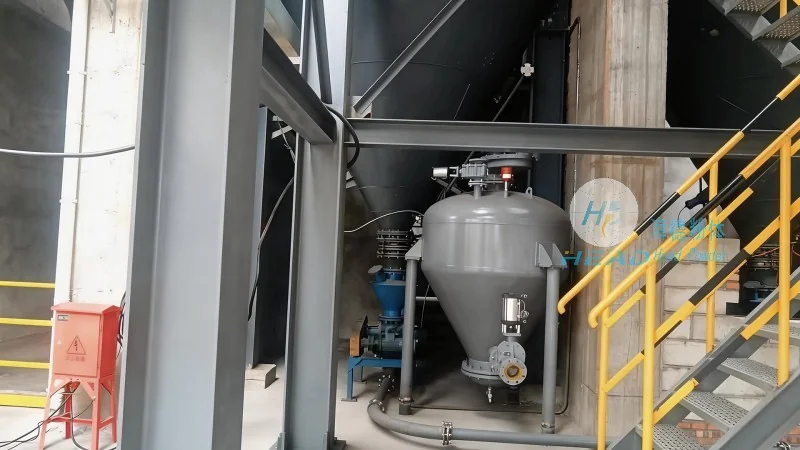
When selecting between positive and negative pressure pneumatic conveying for rice husk powder, several factors must be considered. The distance and height of the conveying route are critical determinants. For long-distance or high-rise applications, positive pressure is generally more suitable due to its ability to maintain pressure over longer distances. Conversely, negative pressure is often preferred for short-distance or horizontal conveying, as it is more energy-efficient in such scenarios. The material characteristics also play a role; for example, if the rice husk powder is abrasive or has high moisture content, the system design may need to account for wear and corrosion, which can be mitigated by proper material selection and maintenance. Additionally, the environmental regulations and space constraints at the site can influence the choice. Positive pressure systems require a dedicated air outlet and may need additional filtration to comply with emissions standards, while negative pressure systems are more compact and can be integrated into existing structures.
Application Scenarios and Advantages
The choice of pneumatic conveying mode for rice husk powder depends on the specific application requirements. For example, in a biomass power plant, where rice husk is used as fuel, a positive pressure system may be used to transport the powder from storage silos to the boiler, covering a distance of several hundred meters. In contrast, a negative pressure system might be employed in a processing facility to transfer the powder from a grinding unit to a storage bin, over a shorter distance. The advantages of positive pressure include higher conveying capacity and the ability to handle larger particles, while negative pressure offers lower energy consumption and gentler material handling. Both modes provide a dust-free and efficient method of transporting rice husk powder, contributing to improved operational efficiency and reduced labor costs. The systems are also scalable, allowing for expansion as production needs grow. By carefully evaluating the conveying distance, material properties, and operational constraints, industries can select the most appropriate pneumatic conveying mode to optimize their rice husk powder handling processes.
Conclusion
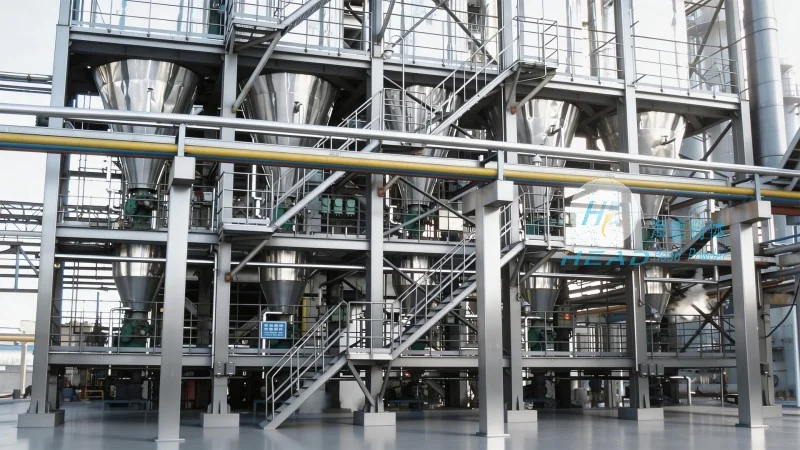
In conclusion, pneumatic conveying technology offers effective solutions for transporting rice husk powder, with both positive and negative pressure modes providing unique advantages. Positive pressure systems excel in long-distance and high-rise applications, delivering high conveying rates and reliability. Negative pressure systems, on the other hand, are energy-efficient for short-distance conveying and handle delicate materials with care. The selection of the appropriate mode depends on a thorough analysis of the specific application requirements, including distance, material characteristics, and operational constraints. Shandong HeadPowder Engineering Co., Ltd. specializes in designing and implementing customized pneumatic conveying systems tailored to the needs of rice husk powder handling, ensuring optimal performance and efficiency for industrial clients. By leveraging the expertise of headpowder, industries can enhance their material handling processes and achieve greater operational productivity.