

Analysis of Boron Nitride Pneumatic Conveying Technology: Comparison of Positive and Negative Pressu
HeadPowder, a leading enterprise in the field of powder processing technology, specializes in the research and application of pneumatic conveying systems for materials like boron nitride. This article provides a detailed analysis of the two primary modes of pneumatic conveying—positive pressure and negative pressure—focusing on their technical characteristics, operational principles, and practical applications. Understanding the differences between these modes is crucial for selecting the most suitable system for handling boron nitride, ensuring efficient and reliable material transport in industrial settings.
Introduction to Pneumatic Conveying Systems
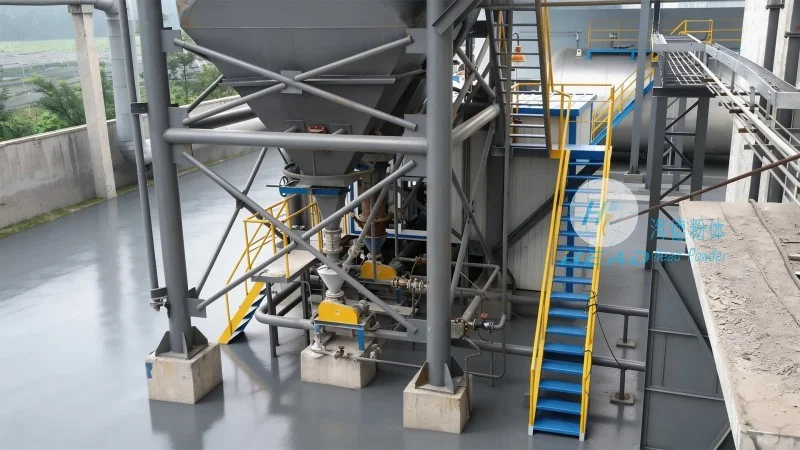
Pneumatic conveying is a widely used method for transporting bulk materials, including fine powders like boron nitride, through a pipeline using air or gas as the conveying medium. The system operates by creating a pressure differential between the conveying line and the ambient environment. Two main modes of operation are commonly employed: positive pressure and negative pressure systems. Each mode has distinct advantages and limitations that influence its suitability for specific applications.
Positive Pressure Pneumatic Conveying Mode
Positive pressure systems, also known as pressure or pressure-assisted conveying, operate by pressurizing the entire conveying line above atmospheric pressure. The conveying air is supplied from a positive pressure blower or compressor, which forces the material and air mixture through the pipeline. This mode is particularly effective for long-distance and high-capacity material transport, as it can maintain consistent flow rates and handle materials with higher moisture content or abrasive properties.
In the context of boron nitride, positive pressure systems are often preferred for applications requiring high throughput and the ability to handle larger particle sizes or bulk quantities. The pressurized environment helps to prevent material degradation and ensures that the material remains suspended in the air stream, reducing the risk of clogging or blockages. HeadPowder's expertise in designing positive pressure systems ensures that the equipment is optimized for boron nitride's unique properties, such as its low density and fine particle size.
Negative Pressure Pneumatic Conveying Mode
Negative pressure systems, also called vacuum or suction conveying, operate by creating a vacuum in the conveying line, which draws the material and air mixture from the source into the system. The vacuum is generated by a vacuum pump or fan, and the material is transported by the suction force created within the pipeline. This mode is typically used for shorter distances and for materials that are more sensitive to pressure changes or for applications where the material needs to be collected from multiple points.
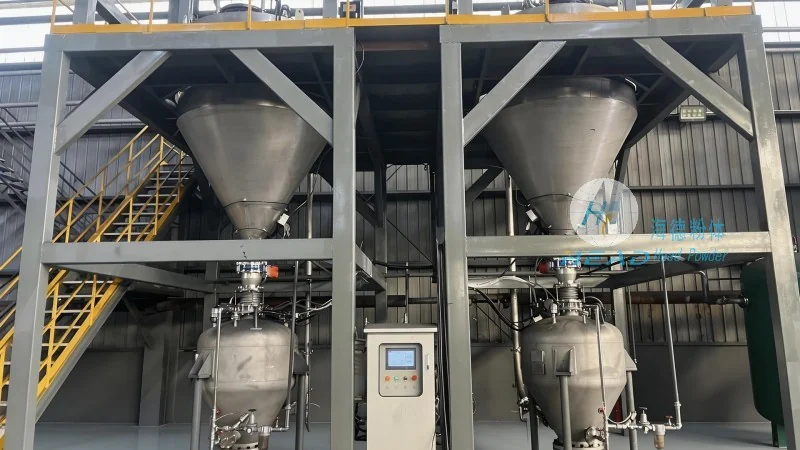
For boron nitride, negative pressure systems are often chosen when the material is to be collected from a hopper or a storage bin, as the vacuum helps to draw the fine powder without the need for additional mechanical agitation. The system is also beneficial for applications where the material needs to be transported to a specific destination without the risk of cross-contamination or exposure to the environment. HeadPowder's negative pressure conveying solutions are designed to handle the delicate nature of boron nitride, ensuring that the material remains intact and free from contamination during transport.
Key Differences Between Positive and Negative Pressure Modes
While both positive and negative pressure systems are used for boron nitride pneumatic conveying, they differ significantly in terms of operational principles, equipment requirements, and application suitability. The primary difference lies in the direction of air flow and the pressure differential. Positive pressure systems push material through the pipeline using compressed air, whereas negative pressure systems pull material using a vacuum.
From an equipment perspective, positive pressure systems require robust blowers or compressors capable of maintaining high pressure, while negative pressure systems need efficient vacuum pumps. The choice between the two modes also depends on the distance between the material source and destination, the material's physical properties, and the required throughput. For instance, positive pressure systems are more suitable for long-distance transport, while negative pressure systems are better for short-distance or point-to-point transport.
In terms of operational efficiency, positive pressure systems generally offer higher throughput and are more reliable for handling abrasive or moisture-containing materials. Negative pressure systems, on the other hand, are more gentle on the material and are ideal for handling sensitive powders like boron nitride, which can be easily damaged by high-pressure air streams. HeadPowder's expertise allows for the selection of the most appropriate mode based on the specific requirements of the boron nitride application, ensuring optimal performance and minimal material loss.
Application Scenarios and Practical Considerations
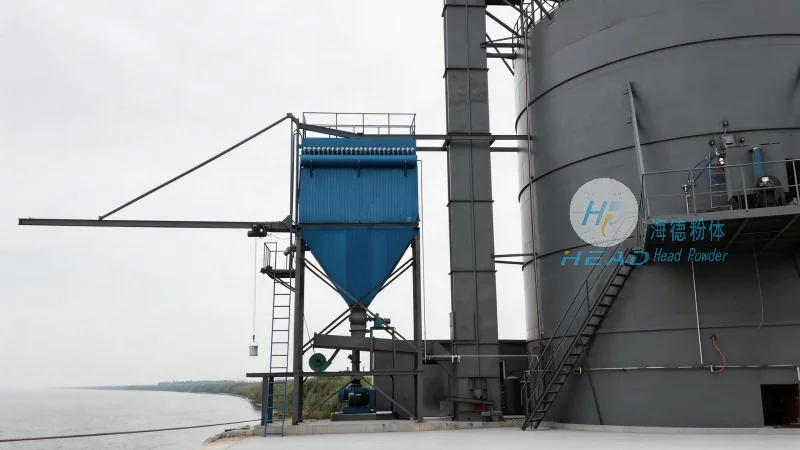
The choice between positive and negative pressure pneumatic conveying for boron nitride depends on several factors, including the process layout, material handling requirements, and environmental considerations. For example, in a manufacturing plant where boron nitride is used as a lubricant or filler in composite materials, a positive pressure system may be used to transport large quantities of the powder from a storage silo to a mixing station. Conversely, in a laboratory setting where small batches of boron nitride are handled, a negative pressure system may be more appropriate to collect the powder from a weighing hopper and transport it to a processing unit.
Another important consideration is the impact on the material's quality. Positive pressure systems can sometimes cause particle attrition or agglomeration, especially for fine powders like boron nitride. Negative pressure systems, by contrast, minimize these effects due to the lower air velocity and gentler handling. HeadPowder's engineers take these factors into account when designing the conveying system, ensuring that the material's integrity is preserved throughout the transport process.
Furthermore, the energy consumption and operational costs differ between the two modes. Positive pressure systems typically consume more energy due to the need to maintain high pressure, while negative pressure systems may require more frequent maintenance of the vacuum pump. HeadPowder's systems are designed to balance efficiency and cost-effectiveness, providing long-term operational benefits for boron nitride handling applications.
Conclusion
In conclusion, the selection of a pneumatic conveying mode—positive or negative—for boron nitride depends on a combination of technical, operational, and economic factors. HeadPowder, with its extensive experience in powder processing technology, offers tailored solutions that address the unique challenges of handling boron nitride. By understanding the differences between positive and negative pressure systems and their respective advantages, industrial users can optimize their material transport processes, ensuring efficiency, reliability, and minimal material loss. Whether for large-scale production or laboratory applications, HeadPowder's expertise in pneumatic conveying technology ensures that boron nitride is handled safely and effectively, meeting the demands of modern industrial processes.