

Analysis of Quartz Sand Pneumatic Conveying Technology: Comparison of Positive and Negative Pressure
Quartz sand, a widely used industrial material, often requires efficient and reliable transportation methods to ensure smooth production processes. Pneumatic conveying technology has emerged as a key solution for handling such materials, offering advantages like dust-free operation and flexibility. This article provides an in-depth analysis of quartz sand pneumatic conveying, focusing on the comparison between positive pressure and negative pressure modes, which are the two primary systems used in industrial applications.
Understanding Pneumatic Conveying Systems
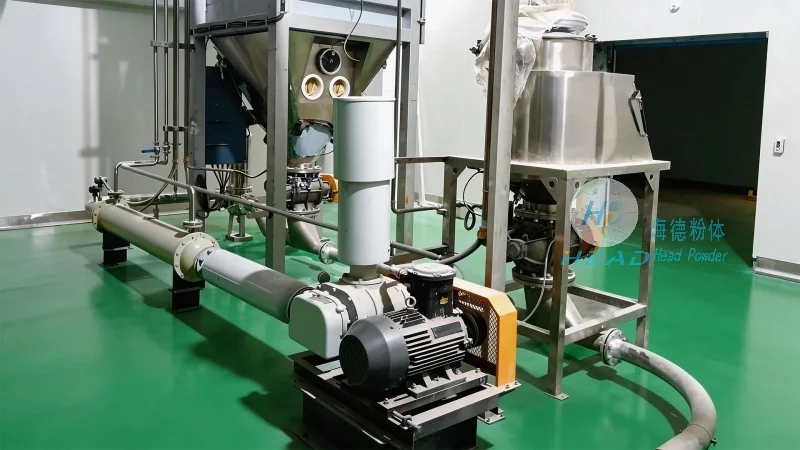
Pneumatic conveying systems utilize air or gas to transport bulk materials like quartz sand through a pipeline. The two main modes—positive pressure and negative pressure—differ in how they generate the necessary pressure differential to move the material. Positive pressure systems blow air into the pipeline, while negative pressure systems create a vacuum by extracting air from the system. Each mode has distinct characteristics that make it suitable for different applications.
Positive Pressure Pneumatic Conveying
Positive pressure systems operate by injecting compressed air into the conveying line, which propels the quartz sand particles forward. This method is particularly effective for long-distance and high-capacity transport, as it can maintain consistent flow rates even over extended pipelines. The system typically includes a blower, a hopper for material storage, and a discharge point at the destination. The headpowder company, with its expertise in engineering such systems, emphasizes the efficiency of positive pressure in handling abrasive materials like quartz sand, which can otherwise cause wear on equipment. The use of high-quality components and proper maintenance ensures the longevity and reliability of these systems.
Negative Pressure Pneumatic Conveying
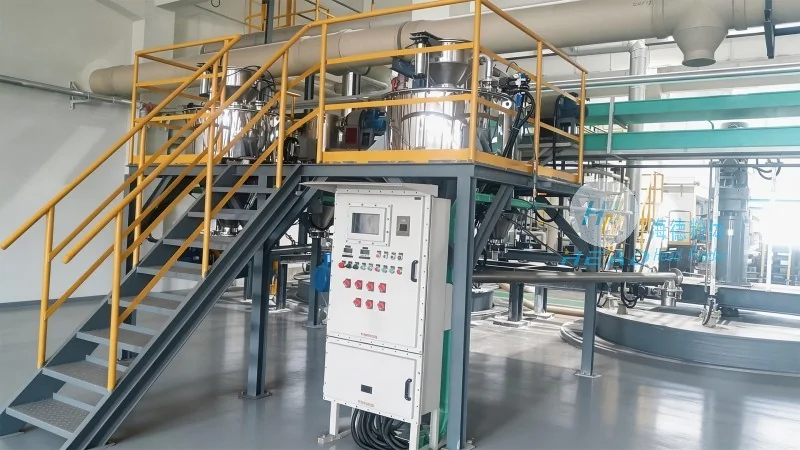
Negative pressure systems, also known as vacuum conveying, work by creating a vacuum in the pipeline, drawing the quartz sand from the source to the receiver. This mode is often preferred for short-distance transport or when the material needs to be handled in a closed environment to prevent dust dispersion. The system comprises a vacuum pump, a hopper, and a filter to capture fine particles. For quartz sand, negative pressure is advantageous in applications where dust control is critical, such as in food processing or pharmaceutical industries. However, it may be less efficient for very long distances due to the energy required to maintain the vacuum.
Key Differences and Applications
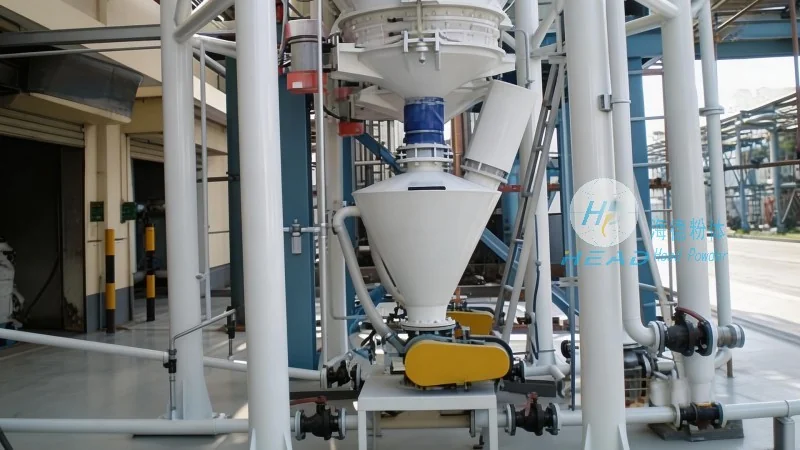
When comparing positive and negative pressure pneumatic conveying for quartz sand, several factors come into play. Positive pressure systems are generally more suitable for high-volume, long-distance transport, while negative pressure is better for low to medium volumes and shorter distances. The choice also depends on the material's properties, such as particle size and moisture content. For instance, fine quartz sand particles may require a more controlled environment, making negative pressure a better option to prevent dust accumulation. Conversely, larger or heavier particles benefit from the force generated by positive pressure, ensuring consistent flow. The headpowder company, based in Shandong, China, offers customized solutions that consider these factors, ensuring optimal performance for each client's specific needs.
Advantages and Considerations
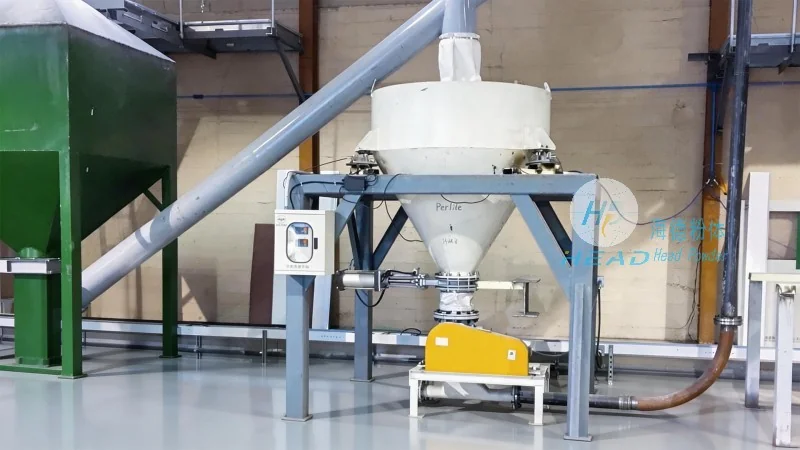
Both positive and negative pressure pneumatic conveying offer advantages in quartz sand handling. Positive pressure systems provide high efficiency and reliability, making them ideal for continuous production lines. They are also less susceptible to blockages compared to negative pressure systems, as the air flow is constant and directed. On the other hand, negative pressure systems excel in dust control, which is crucial for maintaining a clean working environment and complying with environmental regulations. However, they require more energy to operate due to the vacuum pump, and maintenance costs can be higher due to the need for filters and vacuum components. The headpowder company addresses these considerations by providing comprehensive system designs that balance efficiency, cost, and environmental compliance.
Conclusion
In conclusion, the choice between positive and negative pressure pneumatic conveying for quartz sand depends on the specific requirements of the application. Positive pressure systems are preferred for high-capacity, long-distance transport, while negative pressure is suitable for shorter distances and applications requiring strict dust control. The headpowder company, with its expertise and presence in Shandong, China, specializes in designing and implementing these systems to meet the diverse needs of industrial clients. By understanding the characteristics of each mode and selecting the appropriate system, businesses can enhance their quartz sand handling processes, improve efficiency, and ensure compliance with industry standards.