

Polypropylene Pneumatic Conveying Technology Analysis: Comparison of Positive and Negative Pressure
For industries dealing with polypropylene materials, selecting the right pneumatic conveying system is crucial for efficiency, cost-effectiveness, and operational safety. This article provides a detailed analysis of positive and negative pressure modes in polypropylene pneumatic conveying, helping you make an informed decision based on your specific application needs.
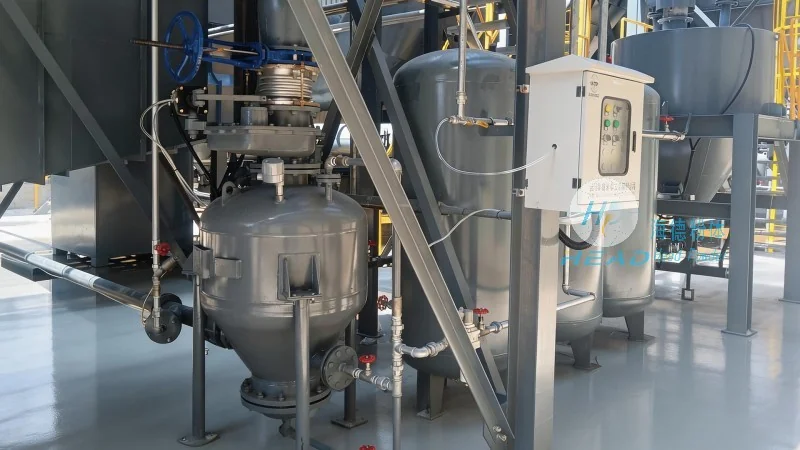
Understanding Pneumatic Conveying Modes
Pneumatic conveying systems are widely used in material handling, and they operate on two primary pressure principles: positive pressure and negative pressure. Each mode has distinct characteristics that influence performance, suitability, and cost. Understanding these differences is essential for optimizing material transport in polypropylene processing.
Positive Pressure Pneumatic Conveying
Positive pressure systems, also known as pressure conveying, use a blower or compressor to generate high-pressure air that pushes the material through the conveying line. This method is particularly effective for transporting polypropylene from a central storage to multiple processing points, as it can handle long distances and multiple branch lines without significant pressure loss.
In the context of polypropylene, positive pressure conveying offers several advantages. It can handle abrasive or sticky materials with minimal wear on components, and the high pressure ensures consistent flow rates, reducing the risk of material buildup or blockages. Additionally, positive pressure systems are generally more energy-efficient for long-distance transport, as the pressure can be maintained throughout the entire conveying path.
However, there are considerations with positive pressure. The high-pressure air can cause material degradation in some cases, especially if the polypropylene is sensitive to heat or pressure. Moreover, the system requires robust sealing and maintenance to prevent air leaks, which could lead to energy waste or material loss. The initial investment for positive pressure equipment is also higher compared to negative pressure systems, as it involves more complex components like high-pressure blowers and robust piping.
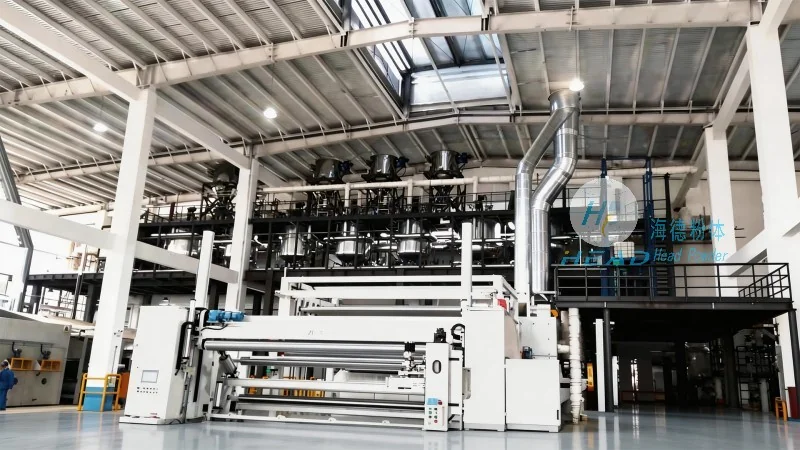
Negative Pressure Pneumatic Conveying
Negative pressure systems, or vacuum conveying, use a vacuum pump to create a low-pressure environment that draws the material from the source into the conveying line. This method is ideal for short to medium-distance transport, typically within a facility or between adjacent processing units. Negative pressure is particularly suitable for polypropylene that is light and dusty, as the vacuum can effectively capture and transport fine particles without the need for high pressure.
One of the key benefits of negative pressure conveying is its ability to handle fine or powdery polypropylene with minimal degradation. The low pressure reduces the risk of material attrition, making it suitable for products that require high purity or are sensitive to mechanical stress. Additionally, negative pressure systems are generally quieter and have lower initial costs, as they use simpler vacuum pumps and less robust piping compared to positive pressure systems.
Nevertheless, negative pressure has its limitations. The vacuum can lead to material loss if the system is not properly sealed, as air can enter and carry material out of the conveying line. The conveying distance is also restricted, as the pressure drop increases with distance, potentially causing blockages or reduced flow rates. For polypropylene, negative pressure may not be suitable for long-distance transport or when dealing with large quantities of material, as the vacuum may not be sufficient to maintain consistent flow.
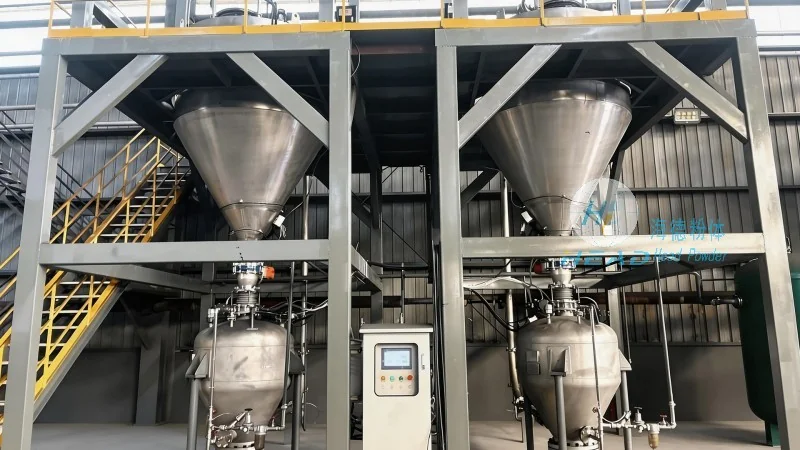
Comparison and Selection Criteria
When choosing between positive and negative pressure pneumatic conveying for polypropylene, several factors should be considered. The primary considerations include the distance between the source and destination, the quantity of material to be transported, the material's properties (such as fineness and moisture content), and the overall system cost and maintenance requirements.
For long-distance transport or multiple branch lines, positive pressure is often the preferred choice due to its ability to maintain pressure and handle larger volumes. However, if the application involves short distances, fine powders, or sensitive materials, negative pressure may be more appropriate. The choice also depends on the facility layout and available space, as positive pressure systems require more space for the blower and piping.
Another critical factor is the material's flow characteristics. Polypropylene, being a thermoplastic, can be prone to bridging or caking in silos or hoppers. Positive pressure systems can help mitigate this by maintaining consistent flow rates and preventing material buildup, while negative pressure may require additional equipment like vibrators or air knives to ensure smooth material movement.
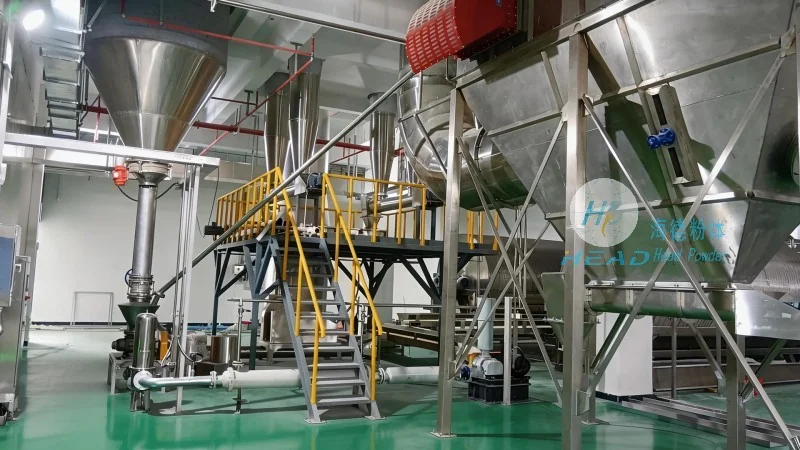
HeadPowder Engineering: Your Partner in Pneumatic Conveying Solutions
At Shandong HeadPowder Engineering Co., Ltd., we specialize in designing and manufacturing customized pneumatic conveying systems tailored to the unique needs of polypropylene processing. Our team of experts has extensive experience in both positive and negative pressure technologies, allowing us to provide comprehensive solutions that optimize material handling efficiency and reduce operational costs.
Our positive pressure systems are engineered with high-efficiency blowers and robust piping to ensure reliable transport over long distances, while our negative pressure solutions are designed to handle fine powders with minimal degradation. We conduct thorough material testing and system simulations to ensure that our designs meet the specific requirements of your polypropylene application, whether it involves bulk handling, packaging, or recycling.
With our headquarters in Shandong, China, HeadPowder Engineering leverages local expertise and advanced manufacturing capabilities to deliver high-quality, cost-effective pneumatic conveying solutions. Our commitment to quality and customer satisfaction has made us a trusted partner for industries worldwide, helping them streamline their material handling processes and improve overall productivity.
Whether you are considering upgrading your existing polypropylene conveying system or designing a new facility, HeadPowder Engineering offers the expertise and support needed to make the right choice. Our detailed analysis of positive and negative pressure modes provides a solid foundation for selecting the most suitable technology for your operations, ensuring that your polypropylene material is transported safely, efficiently, and cost-effectively.