

Gypsum Pneumatic Conveying Technology Analysis: Comparison of Positive and Negative Pressure Modes
Gypsum, a widely used industrial material, often requires efficient and reliable transportation methods for processing and distribution. Pneumatic conveying technology offers a solution by using air to move gypsum particles through a system of pipes and equipment. This method is particularly valuable in industries such as construction, agriculture, and chemical manufacturing, where handling bulk materials efficiently is crucial. The choice between positive and negative pressure modes in pneumatic conveying systems significantly impacts performance, cost, and operational safety. Understanding these two approaches is essential for selecting the most suitable technology for specific gypsum handling applications.
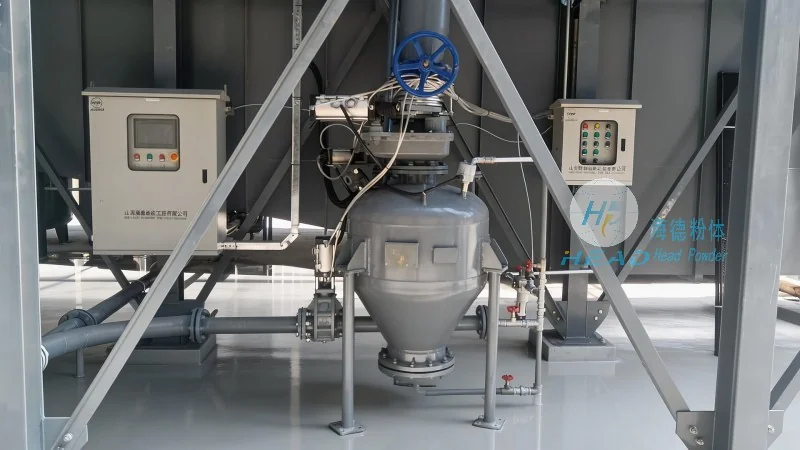
Positive Pressure Pneumatic Conveying: Principles and Applications
Positive pressure pneumatic conveying operates by blowing air into the conveying line, creating a pressure higher than the ambient air pressure. This method is commonly used for short to medium-distance transportation of gypsum, typically up to several hundred meters. The system uses a blower or compressor to generate the necessary pressure, and the material is drawn into the line by the moving air. A key advantage of positive pressure systems is their ability to handle abrasive or sticky materials, as the high-pressure air can effectively break up agglomerates and maintain flow. Additionally, positive pressure systems are generally more suitable for conveying materials that are prone to dusting or caking, as the pressurized air helps prevent material buildup in the pipes. However, these systems may require more maintenance due to the higher stress on components like blowers and piping, and they can be less energy-efficient for long-distance applications compared to negative pressure systems.
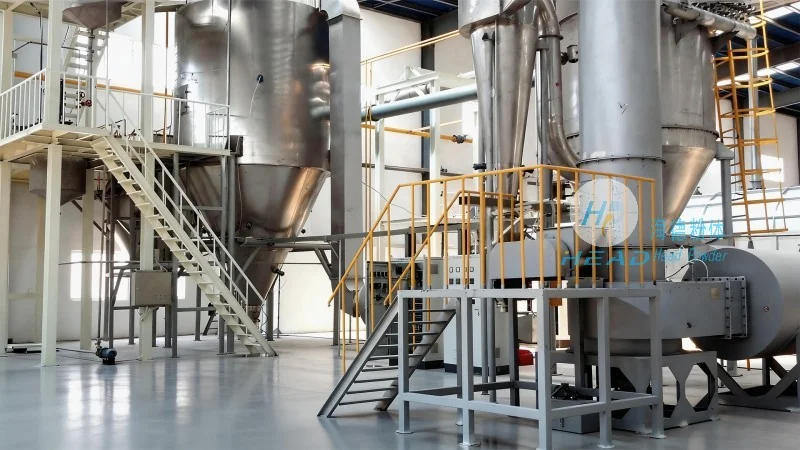
Negative Pressure Pneumatic Conveying: Principles and Applications
Negative pressure pneumatic conveying, also known as suction or vacuum conveying, works by creating a vacuum in the conveying line, which draws air and material from the source into the system. This method is ideal for longer distances, often exceeding 500 meters, and is commonly used in applications where the material needs to be transported from a source that is elevated or in a different location. The system typically includes a vacuum pump or fan that maintains the low pressure, and the material is drawn into the line by the pressure differential. A major advantage of negative pressure systems is their lower energy consumption for long-distance transport, as the vacuum pump operates at a lower pressure than the blower in positive pressure systems. This makes them more energy-efficient for extended conveying distances. However, negative pressure systems are generally less effective for handling abrasive or sticky materials, as the low-pressure air may not provide sufficient force to break up agglomerates. Additionally, they can be more susceptible to clogging due to the lower air velocity and the potential for dust accumulation in the suction line.
Key Factors in Selecting Between Positive and Negative Pressure Modes
When choosing between positive and negative pressure pneumatic conveying for gypsum applications, several factors must be considered. The first is the distance of the conveying line; positive pressure is better for shorter distances, while negative pressure is more suitable for longer distances. The second is the material characteristics, such as particle size, moisture content, and tendency to agglomerate. Positive pressure systems are preferred for materials that are abrasive or sticky, whereas negative pressure systems may require additional equipment like pre-screening or agitators to handle such materials. Third, the energy efficiency and operational costs play a role; negative pressure systems are more energy-efficient for long distances, but positive pressure systems may have lower initial costs and simpler installation for shorter runs. Finally, the safety and environmental considerations are important. Positive pressure systems are generally safer as they do not release dust into the ambient air, while negative pressure systems may require additional filtration to prevent dust emissions. These factors collectively influence the decision-making process for selecting the appropriate pneumatic conveying mode for gypsum handling.
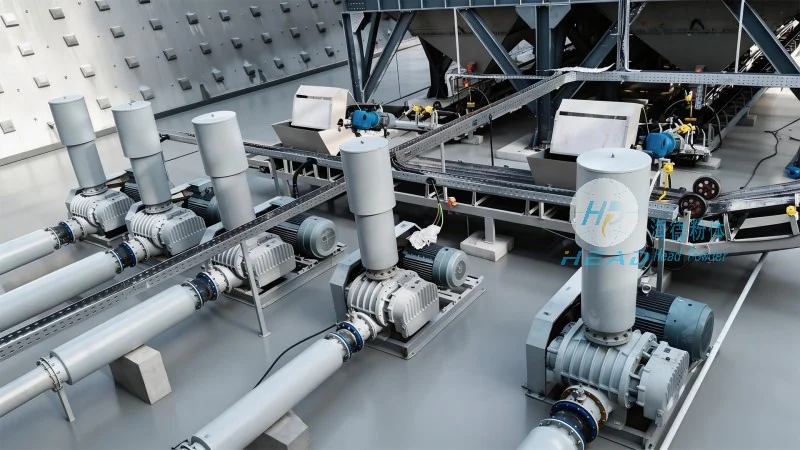
HeadPowder's Expertise in Gypsum Pneumatic Conveying Solutions
Shandong HeadPowder Engineering Co., Ltd., a leading provider of industrial material handling solutions, specializes in designing and manufacturing customized pneumatic conveying systems for gypsum and other bulk materials. With years of experience in the industry, HeadPowder understands the unique challenges of gypsum transportation and offers tailored solutions that optimize performance and efficiency. The company's engineers work closely with clients to assess their specific requirements, including conveying distance, material properties, and operational constraints, to develop the most suitable positive or negative pressure system. HeadPowder's systems are built with high-quality components, ensuring durability and reliability in demanding industrial environments. The company also provides comprehensive support, including installation, maintenance, and technical assistance, to ensure that clients achieve the best possible results from their pneumatic conveying equipment. By leveraging advanced technology and a deep understanding of material handling, HeadPowder helps industries improve their gypsum processing and distribution processes, reducing costs and enhancing productivity.