

Analysis of Steel and Lime Pneumatic Conveying Technology: Comparison of Positive and Negative Press
Pneumatic conveying technology plays a crucial role in the efficient and safe transportation of bulk materials, particularly in industrial sectors like steel production and lime processing. For companies dealing with steel and lime, selecting the appropriate conveying system is vital to ensure operational efficiency, material integrity, and cost-effectiveness. Two primary modes of pneumatic conveying are widely used: positive pressure and negative pressure systems. Understanding the differences between these modes is essential for making informed decisions about material handling solutions.
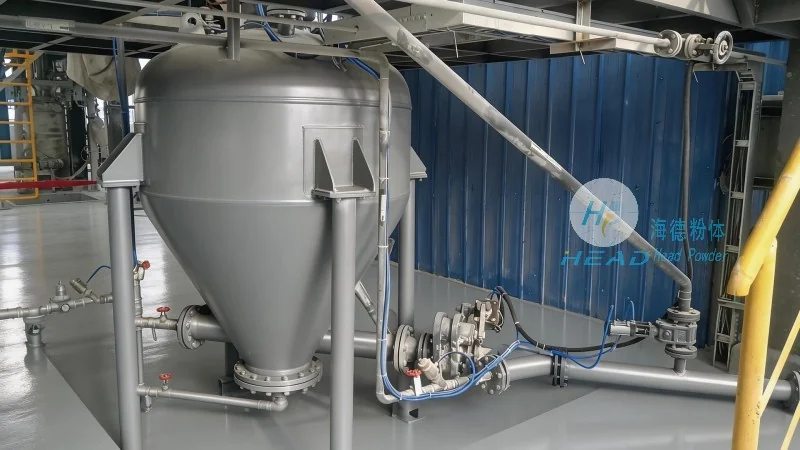
Positive Pressure Pneumatic Conveying Systems
Positive pressure systems operate by blowing air or gas into the conveying line, creating a pressure higher than the ambient air pressure. This method propels the material through the pipeline. In the context of steel and lime handling, positive pressure systems are often preferred for applications requiring high material throughput and long-distance transport. The high pressure ensures that the material is consistently moved through the system, reducing the risk of blockages and ensuring a continuous flow. Additionally, positive pressure systems are effective for handling abrasive materials like steel dust or lime powders, as the high-pressure air helps to break up clumps and maintain material flow. However, these systems may require more robust equipment and higher energy consumption compared to negative pressure alternatives. The initial investment and operational costs can be higher due to the need for powerful blowers and durable pipeline components.
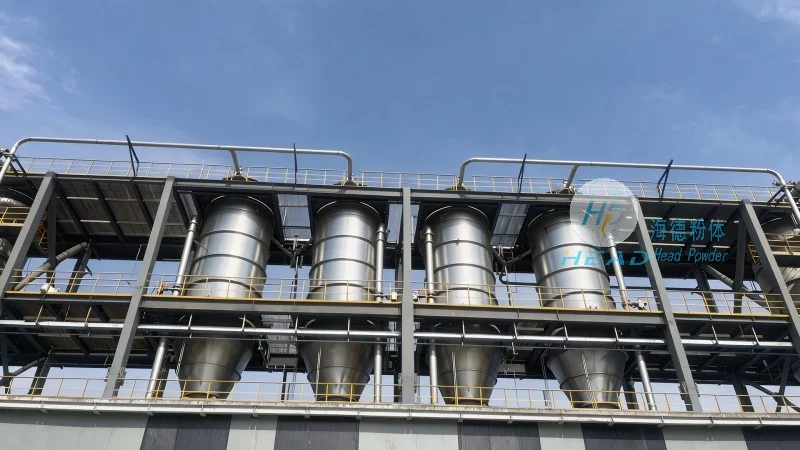
Negative Pressure Pneumatic Conveying Systems
Negative pressure systems, on the other hand, create a vacuum or low-pressure environment within the conveying line, drawing material into the system. This mode is particularly suitable for applications where the material is sensitive to pressure changes or where the conveying distance is shorter. Negative pressure systems are often used in environments where dust control is a priority, as the system draws material into the line without releasing significant amounts of dust into the surrounding air. This makes them ideal for indoor or enclosed applications where air quality is a concern. In steel and lime processing, negative pressure systems can be effective for handling fine powders or materials that are prone to caking. The lower pressure operation also reduces the risk of material degradation and helps maintain the quality of the transported product. Nevertheless, negative pressure systems may have limitations in terms of material capacity and distance, as the suction power is limited by the vacuum created. They may also be more susceptible to blockages if the material is too coarse or contains large particles.
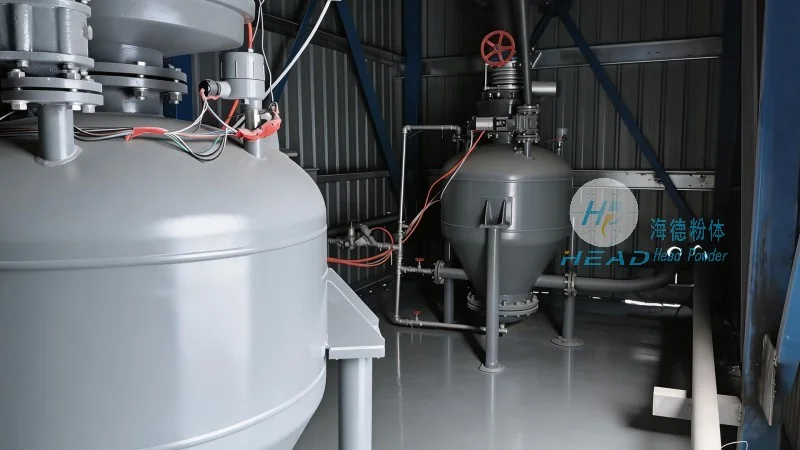
Comparison of Positive and Negative Pressure Modes
When comparing positive and negative pressure pneumatic conveying systems for steel and lime applications, several factors come into play. The choice between the two modes depends on the specific requirements of the operation, including material characteristics, conveying distance, and environmental considerations. Positive pressure systems generally offer higher throughput and are more suitable for long-distance transport, while negative pressure systems excel in applications requiring dust control and handling of fine materials. From an operational perspective, positive pressure systems may require more maintenance due to the higher stress on components, whereas negative pressure systems can be more energy-efficient for shorter distances. The initial cost of equipment is another critical factor: positive pressure systems often involve higher upfront expenses due to the need for powerful blowers and robust pipelines, whereas negative pressure systems may have lower initial costs but could incur higher operational costs over time due to energy consumption.
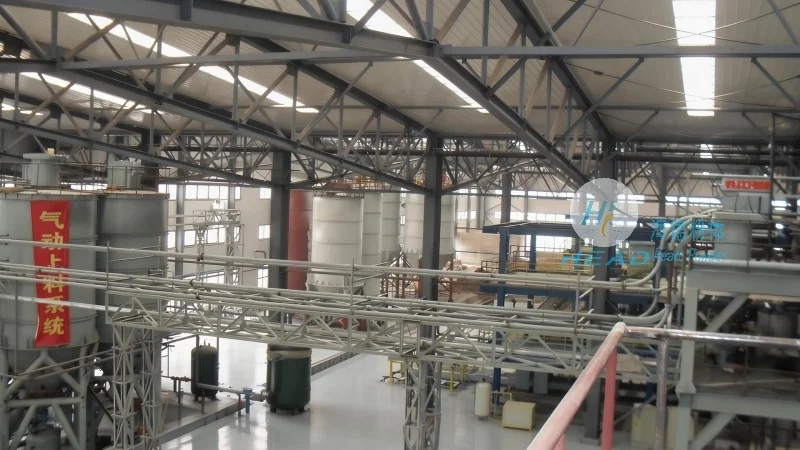
Role of Shandong HeadPowder Engineering Co., Ltd. in Pneumatic Conveying Solutions
Shandong HeadPowder Engineering Co., Ltd., a leading provider of engineering solutions for bulk material handling, specializes in designing and implementing customized pneumatic conveying systems tailored to the needs of steel and lime industries. With a strong focus on innovation and quality, the company offers comprehensive solutions that integrate both positive and negative pressure technologies to meet diverse operational requirements. The company’s expertise lies in understanding the unique challenges of steel and lime processing, such as material variability, abrasive properties, and environmental regulations. By leveraging advanced engineering principles and state-of-the-art equipment, HeadPowder delivers systems that ensure efficient material transport while maintaining material integrity and compliance with industry standards. The company’s commitment to customer satisfaction is reflected in its comprehensive service approach, which includes system design, installation, and ongoing support. Whether a client requires a positive pressure system for high-volume transport or a negative pressure system for dust control, HeadPowder provides tailored solutions that enhance operational efficiency and reduce costs. The company’s presence in Shandong, China, positions it as a reliable partner for businesses seeking advanced material handling solutions in the steel and lime sectors.