

Analysis of Mineral Particle Pneumatic Conveying Technology: Comparison of Positive Pressure and Neg
Understanding the fundamental principles of pneumatic conveying is crucial for industries dealing with mineral particles. This technology involves transporting solid materials through a pipeline using a gas stream, typically air or other gases. The primary modes of operation are positive pressure and negative pressure systems, each with distinct characteristics and applications.
Positive Pressure Pneumatic Conveying
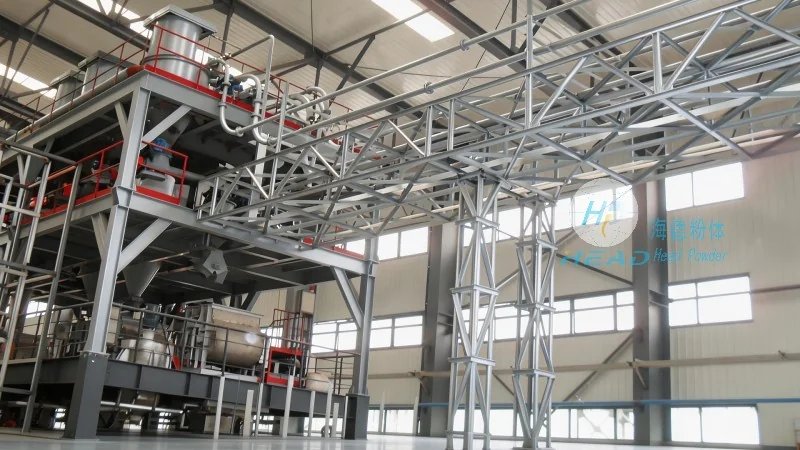
Positive pressure systems operate by generating a higher pressure within the conveying line compared to the ambient environment. This method is often preferred for long-distance or high-capacity transport of mineral particles. The system uses a blower or compressor to create the necessary pressure, ensuring the material is pushed through the pipeline. Key advantages include the ability to handle abrasive or sticky materials, as the high pressure helps maintain flow and prevents blockages. However, these systems require robust equipment to withstand the higher pressures and may have higher energy consumption compared to negative pressure systems.
Negative Pressure Pneumatic Conveying
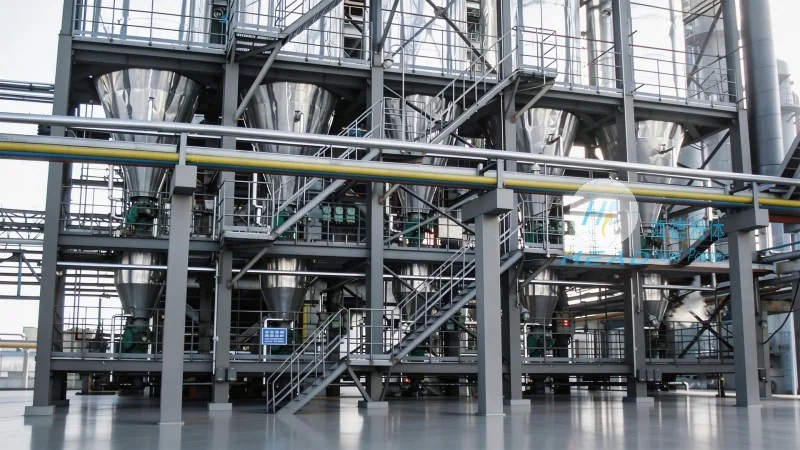
Negative pressure systems, also known as suction or vacuum systems, operate by creating a lower pressure inside the conveying line than the surrounding atmosphere. This draws the material into the system through a hopper or feed point. Negative pressure is commonly used for short-distance transport or when the material needs to be collected from a source without direct contact. The main benefits include lower equipment costs and reduced energy consumption for shorter distances. Nevertheless, these systems are less effective with highly abrasive or fine particles, as the lower pressure may lead to clogging or reduced flow efficiency.
Key Factors in Choosing Between Modes
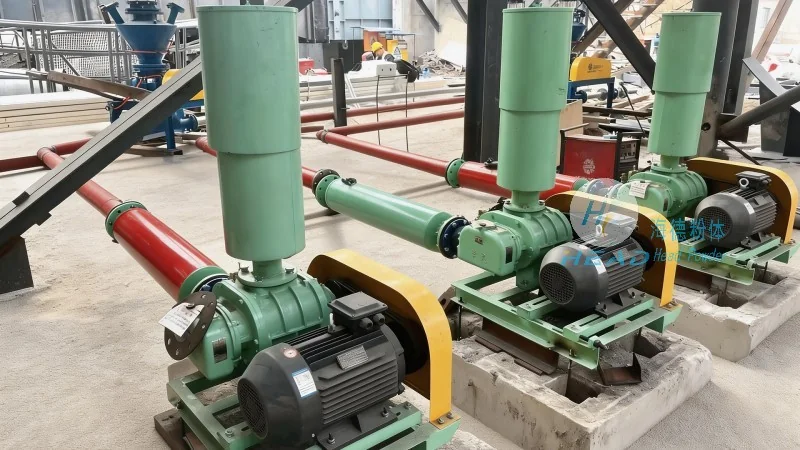
The selection between positive and negative pressure pneumatic conveying depends on several critical factors. Distance and capacity are primary considerations; positive pressure is ideal for long distances and high volumes, while negative pressure suits shorter runs or low-volume applications. Material characteristics, such as particle size, density, and moisture content, also play a significant role. For example, fine powders with high moisture content may require negative pressure to avoid clogging, whereas bulk, coarse minerals are better suited for positive pressure. Additionally, the layout of the facility and the need for dust control can influence the choice. Positive pressure systems often incorporate dust collection equipment at the discharge point, whereas negative pressure systems may require more extensive filtration at the intake.
Applications in the Mineral Industry
Both positive and negative pressure pneumatic conveying systems are widely used in the mineral processing industry. Positive pressure is commonly employed in ore handling, where large quantities of crushed or ground minerals need to be transported from crushers to storage silos or processing plants. Negative pressure is often used in dust collection systems, where fine particles are drawn from grinding mills or other processing equipment. The choice of system impacts not only efficiency but also operational safety and environmental compliance. For instance, in mining operations, positive pressure systems can help maintain a positive pressure in the conveying line to prevent the ingress of hazardous gases, enhancing worker safety.
Equipment and Components
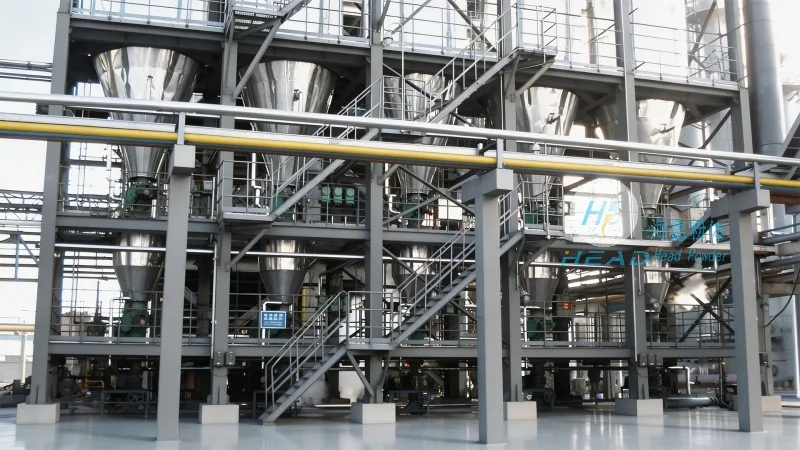
Both positive and negative pressure systems consist of several key components. The main equipment includes a fan or blower for positive pressure, or a vacuum pump for negative pressure. Conveying lines made of materials like stainless steel or plastic are used to transport the material, with appropriate fittings and valves to control flow. Hoppers and feeders are essential for introducing the material into the system, ensuring a consistent flow rate. Dust collectors and filters are critical for maintaining air quality and preventing material buildup in the system. The design of these components must consider the specific properties of the mineral particles, such as abrasiveness and moisture content, to ensure long-term reliability and minimal maintenance.