

Analysis of Rubber Granule Pneumatic Conveying Technology: Comparison of Positive and Negative Press
Efficient material handling is a critical factor in the rubber processing industry, where the reliable transportation of rubber granules from one location to another is essential for maintaining production efficiency and product quality. Pneumatic conveying systems have emerged as a preferred solution for this purpose, offering a flexible and effective method to move bulk materials like rubber granules. Among the various pneumatic conveying technologies available, positive pressure and negative pressure systems represent two distinct approaches, each with its own set of advantages and limitations. This article provides a detailed analysis of rubber granule pneumatic conveying technology, focusing on the comparison between positive and negative pressure modes to help industry professionals make informed decisions when selecting the most suitable system for their operations.
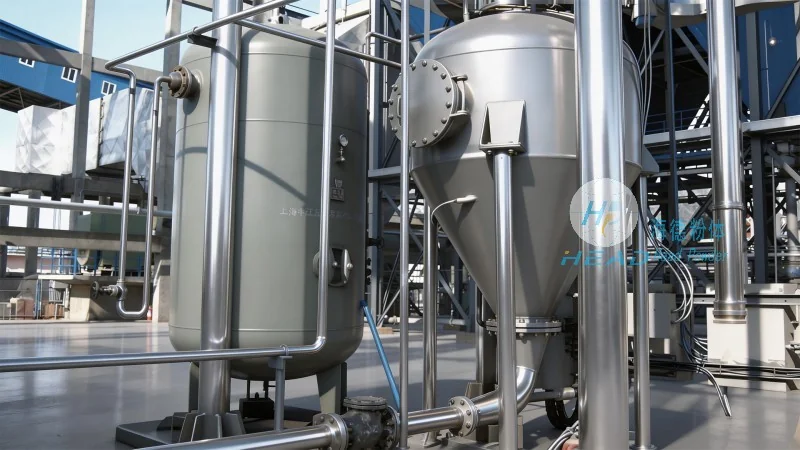
Introduction to Pneumatic Conveying Systems for Rubber Granules
Pneumatic conveying, also known as air conveying, involves the use of air to transport bulk materials through a pipeline. This method is particularly advantageous for rubber granules due to their abrasive nature and the need for dust-free handling. The primary goal of pneumatic conveying is to move materials without the need for mechanical components like conveyors or elevators, which can be prone to wear and maintenance issues. For rubber processing facilities, the choice between positive and negative pressure systems can significantly impact operational costs, material handling efficiency, and overall system reliability.
Understanding Positive Pressure Pneumatic Conveying
Positive pressure pneumatic conveying systems operate by generating high-pressure air at the inlet of the conveying line. The air is then forced through the pipeline, carrying the rubber granules along with it. This mode is commonly referred to as "blow" or "pressure" conveying. The key components of a positive pressure system include a blower, a hopper for material storage, a feed mechanism, and the conveying pipeline. The blower creates a pressure differential that propels the material forward, ensuring consistent flow rates and minimal material degradation.
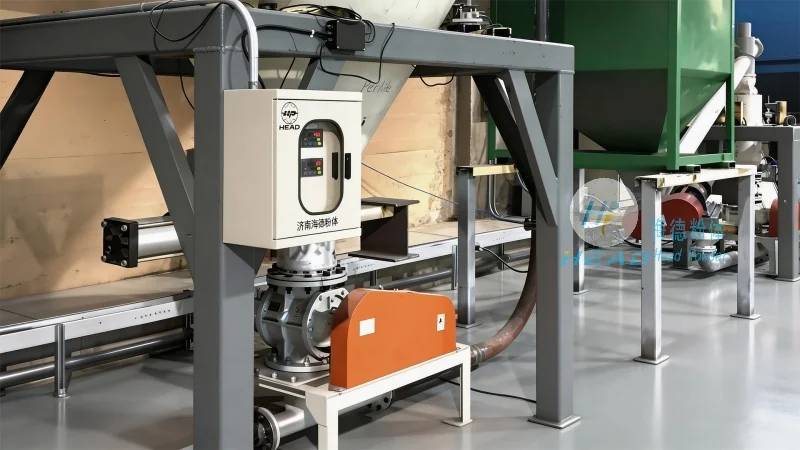
In the context of rubber granules, positive pressure systems are often preferred for long-distance and high-capacity applications. They can handle a wide range of material sizes and densities, making them suitable for large-scale production lines. The high-pressure air also helps to prevent material buildup in the pipeline, reducing the risk of clogging. However, positive pressure systems require more robust equipment, such as high-capacity blowers and reinforced pipelines, which can increase initial investment costs. Additionally, they may generate more noise and require more maintenance due to the higher operating pressures.
Exploring Negative Pressure Pneumatic Conveying
Negative pressure pneumatic conveying, also known as "suction" or "vacuum" conveying, operates by creating a low-pressure zone at the inlet of the conveying line. The ambient air is drawn into the system, carrying the rubber granules from the source to the destination. This mode is typically used for shorter distances and lower material loads. The system components include a vacuum pump, a hopper, a feed mechanism, and the conveying pipeline. The vacuum pump creates a pressure differential that pulls the material into the system, ensuring a steady flow.
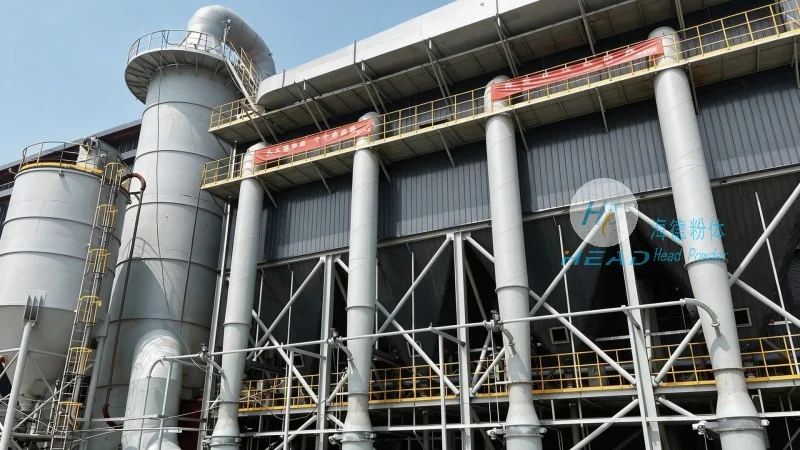
For rubber granules, negative pressure systems are often used in applications where the material needs to be transported from a low point to a higher elevation, or where the material is sensitive to high pressures. They are generally more compact and require less space compared to positive pressure systems, making them suitable for facilities with limited floor space. However, negative pressure systems have lower conveying capacities and are more susceptible to clogging, especially with larger or irregularly shaped granules. The lower pressure also means that the system may not be as effective in handling abrasive materials, as the air flow is less forceful.
Key Differences Between Positive and Negative Pressure Systems
When comparing positive and negative pressure pneumatic conveying systems for rubber granules, several key factors emerge. The most significant difference lies in the pressure differential and the direction of air flow. Positive pressure systems use high-pressure air to push material forward, while negative pressure systems use low-pressure air to pull material. This difference directly impacts the system's capacity, efficiency, and suitability for specific applications.